
- The importance of engaging with wildlife through interactive experiences
- Understanding animal behavior and welfare in zoo settings
- The role of zoos in wildlife conservation and education
- The significance of animal enrichment and its impact on health
- How visuals and photography contribute to wildlife appreciation
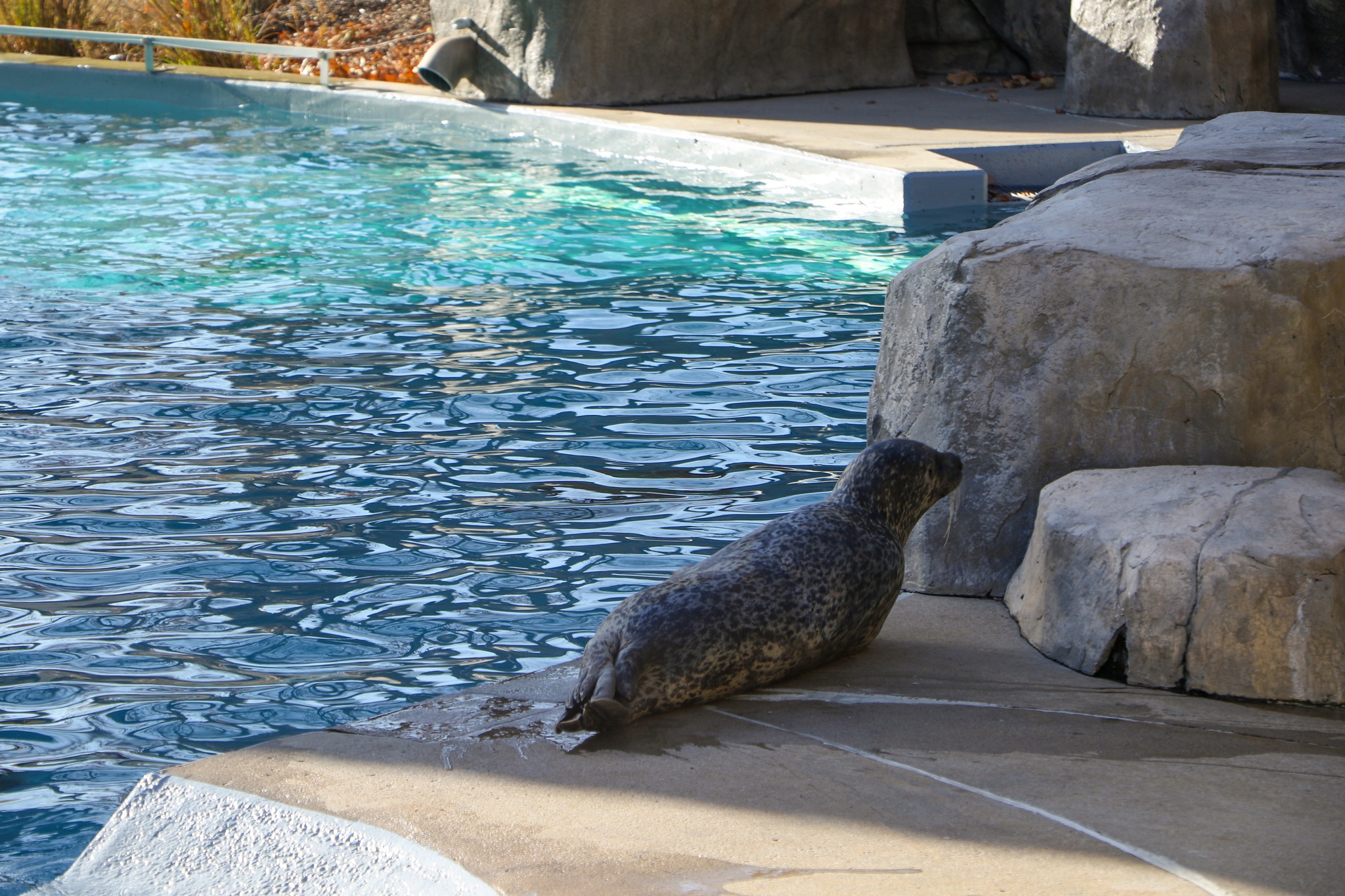
Engaging with wildlife through interactive experiences offers a powerful connection to the animal kingdom. Activities that allow visitors to observe and even participate in animal care foster empathy and a greater understanding of species. A photo series showcasing Ross making a splash can serve as a delightful immersion into the life of an animal. By documenting these moments, we not only capture the excitement of the animals but also draw attention to their everyday behaviors. This engagement can inspire a more profound interest in conservation efforts.
Understanding animal behavior and welfare is crucial in zoo management. Animals are adapted to their natural habitats, and replicating these environments in zoos is essential. Various species exhibit unique behaviors in the wild, influenced by their ecology and social structure. For instance, aquatic mammals like seals or otters engage in numerous activities while swimming. Observing Ross’s playful splashes provides insights into his personality and social skills. Such behaviors reveal the animal’s adaptability and necessity for social interaction, which is a key aspect of their overall welfare.
The role of zoos in wildlife conservation and education cannot be understated. Many modern zoos are not just exhibition spaces but also centers dedicated to species preservation. They contribute significantly to global conservation initiatives by creating breeding programs for endangered species. Ross may represent a part of such a program, contributing to genetic diversity and population sustainability. Educating the public about these programs through photographs emphasizes the importance of both individual animals and their broader ecosystems.
Animal enrichment is a critical component of zoo management. It involves providing stimulating activities that mimic natural behaviors. The act of splashing, as seen in the photos of Ross, may be a form of play or expression. Enrichment encourages animals to engage physically and mentally, leading to improved health and welfare. Simple activities, like the splash made by Ross, can indicate that he is thriving in his environment. Observations like these are invaluable for caretakers as they assess the impact of enrichment initiatives.
Visuals and photography play a significant role in wildlife appreciation. Stunning images can evoke emotions, challenge perceptions, and spark curiosity about animal behaviors. Initiatives that expose people to beautiful moments, like Ross making a splash, can promote a connection to wildlife. The vibrant photographs capture the joy and vitality of animals, engaging viewers and inspiring them to learn more about wildlife conservation. Such imagery serves as a visual storytelling method that highlights the importance of preserving habitats and respecting animal lives.
In summary, this comprehensive exploration into Ross’s delightful splash is more than mere entertainment. It emphasizes the broader themes of wildlife engagement, the significance of animal welfare, and the essential role of zoos in conservation efforts. Each splash not only brightens our day but also serves as a reminder of the importance of protecting these creatures and their habitats. The interplay between visuals, empathy, and conservation is vital, creating informed advocates for wildlife as we move forward in our stewardship of the planet.
*****
Source Description
Enjoy this series of photos of Ross making a splash, to brighten your day. 💦🦭
