
- The importance of community engagement through museums
- Insights into the DLC Museum of Natural History’s fossil collection
- The significance of lemurs in evolutionary studies
- The role of open houses in enhancing public awareness of science
- Opportunities for wildlife conservation education at the museum
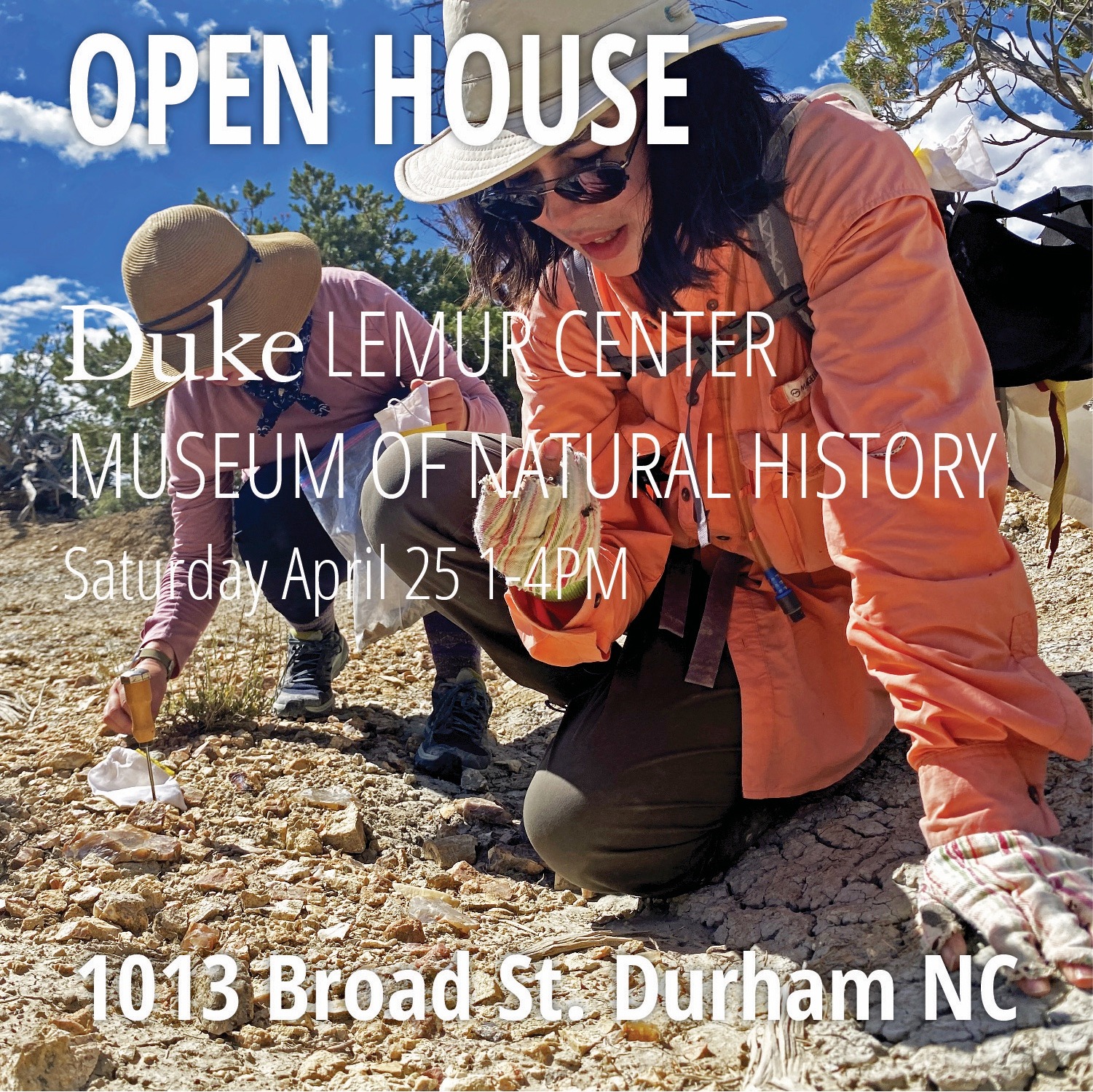
The value of community engagement through museums cannot be overstated. Museums serve as vital institutions, connecting individuals with science, history, and culture. By offering free activities like the DLC Museum of Natural History’s monthly open house, the museum fosters a welcoming environment for exploration and learning. The open house on Saturday, April 25, from 1-4pm, provides a chance for families, students, and anyone interested in natural history to engage with the museum’s content without financial barriers. Such initiatives promote curiosity, allowing attendees to deepen their understanding of natural sciences while participating in community activities.
This month’s open house features an extensive fossil collection that appeals to visitors of all ages. Fossils hold keys to understanding the Earth’s biological past. They tell stories of ancient ecosystems and the organisms that once roamed the planet. The DLC Museum’s collection reflects this richness and complexity. Among these artifacts are samples from various geological periods. Each specimen contributes to a timeline that aids researchers in piecing together evolutionary history. Visitors will encounter fossils that range from small invertebrates to large dinosaurs, each demonstrating concepts like adaptations, extinction, and the interconnectedness of life.
In addition to the fossil showcase, the open house spotlights an exhibit dedicated to the evolutionary journey of lemurs and humans. Lemurs, native primarily to Madagascar, offer unique insights into primate evolution. They share a common ancestor with humans, making their study essential for understanding the evolutionary process. Observing them can also shed light on our own development as social animals. The exhibit highlights key evolutionary milestones while presenting behavioral traits, adaptations, and environmental challenges facing lemurs today. Engaging with these displays serves not only as an educational experience but also encourages attendees to reflect on the continuous evolutionary pathways of diverse species.
Open houses at museums perform significant roles in enhancing public awareness of science and conservation. They provide informal settings where visitors can interact with scientists, educators, and other attendees. This direct engagement encourages dialogue about various topics, from fossil preservation to wildlife conservation. Events like the DLC Museum of Natural History’s open house present opportunities for families to engage in hands-on activities and discussions, breaking down complex scientific concepts into digestible pieces. Such interactions help demystify science, making it more accessible to the general public.
Additionally, events focusing on wildlife conservation are crucial in our contemporary society. They emphasize the impacts of human activity on biodiversity and ecosystems. The DLC Museum’s efforts to integrate conservation messaging into their displays highlight the urgency of protecting endangered species, such as lemurs. Attendees can learn about conservation strategies aimed at sustaining these animals and their habitats. By fostering awareness and understanding, the museum supports initiatives to engage the public in environmental stewardship.
At the heart of the open house lies the intention to offer free educational resources. Access to natural history fosters a sense of responsibility for the environment. For instance, attendees may encounter discussions on conservation practices that can be adopted at home. Simple actions, like reducing plastic use or supporting local wildlife initiatives, can significantly contribute to preserving biodiversity.
The DLC Museum of Natural History also provides further educational resources on their website, where visitors can explore additional information about their fossil collection. The museum’s website, lemur.duke.edu/fossil, serves as a valuable tool for deepening knowledge beyond the open house experience. It includes links to research articles, interactive activities, and quizzes that enrich the learning experience. Exploring these resources ensures ongoing engagement with the material presented in the museum.
Conservation initiatives play an integral part in curbing the decline of species around the globe. The museum’s focus on lemurs exemplifies this commitment. Madagascar’s unique ecosystems, home to many endemic species, face severe threats due to habitat destruction and climate change. By educating the public about these challenges, the DLC Museum raises awareness and promotes advocacy for effective conservation measures.
Furthermore, the museum collaborates with various organizations dedicated to wildlife research and conservation. These partnerships not only enhance the scientific credibility of their programs but also create opportunities for community involvement in conservation projects. The sharing of knowledge and resources strengthens collective efforts to protect vulnerable species and ecosystems.
Attendees also gain insights into the career paths available in the fields of zoology and conservation. Engaging with professionals can inspire young visitors to pursue studies in environmental science or biology. This exposure allows students to visualize their potential contributions to wildlife conservation efforts in the future.
The museum’s open house provides numerous activities, including guided tours, interactive displays, and talks by experts. Families and educators can explore the museum with a structured program that enhances the educational experience. Educator-led activities encourage collaboration and inquiry-based learning, fostering a deepened understanding of natural history.
In sum, the DLC Museum of Natural History’s monthly open house on April 25 offers an engaging and informative experience for attendees. With its impressive fossil collection and an exhibit focusing on lemurs and human evolution, the museum emphasizes the interconnectedness of species through time. This event serves as an important platform for community engagement, science education, and conservation awareness, all free of charge.
Visitors leave the open house with richer knowledge and a call to action. Each encounter with fossils and exhibits prompts reflection on humanity’s role in preserving biodiversity. By attending and participating in discussions, attendees contribute to a broader mission of safeguarding the environment for future generations.
The open house exemplifies how museums can serve as hubs for community awareness and involvement in vital scientific issues. By fostering curiosity and promoting educational opportunities, the DLC Museum of Natural History actively contributes to a culture of conservation and respect for the natural world. These interactions stimulate a shared commitment to understanding and protecting the planet’s diverse ecosystems.
With this free event, community members can enjoy an afternoon of learning, exploration, and engagement at the museum. This open house not only promises interactive experiences but also layers of education that will enrich every visitor’s understanding of natural history and conservation efforts. Be sure to mark your calendar to take advantage of this extraordinary occasion.
*****
Source Description
Looking for a fun, FREE activity this Saturday? Check out the DLC Museum of Natural History’s monthly open house! 💀
✅ Where: 1013 Broad Street (NOT the main DLC campus)
✅ When: Saturday 4/25 from 1-4pm
✅ What: Take a look at the DLC’s expansive fossil collection and our exhibit showcasing the evolutionary journey of lemurs and humans!
✅ How much: FREE!
Want to learn more? Visit lemur.duke.edu/fossil ✨
