
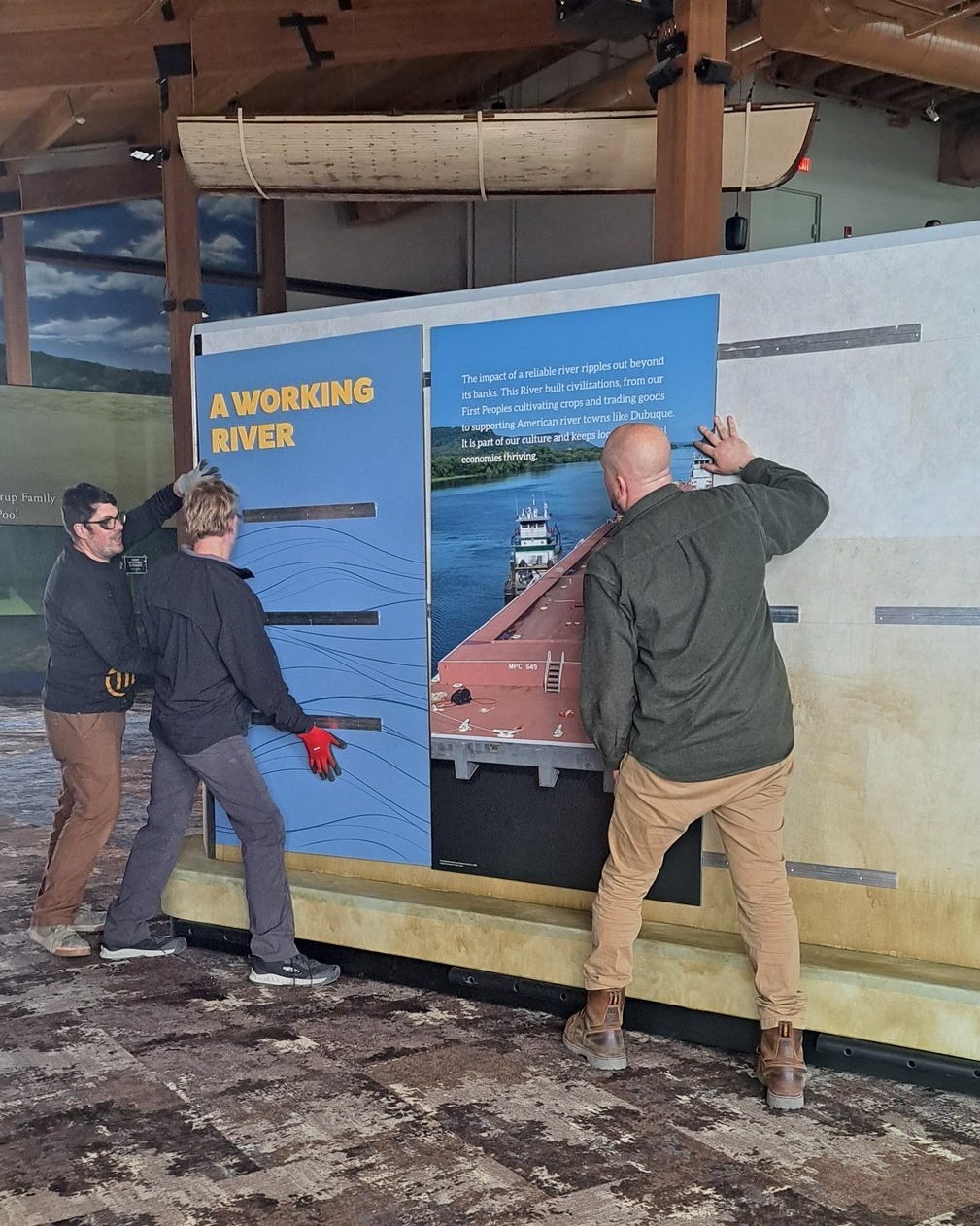
- Overview of the Lock and Dam Display at the William Woodward Mississippi River Center
- Significance of Locks on the Upper Mississippi River
- The Function of Locks and Dams in Navigation
- The Role of Human Engineering in Ecosystem Management
- Collaboration with Local Organizations and Experts
The Lock and Dam Display at the William Woodward Mississippi River Center provides an insightful exploration of one of the most significant manmade structures along the Upper Mississippi River. This innovative exhibit showcases locking gates, which are essential features designed to facilitate navigation in this vital waterway. As visitors engage with this display, they can learn about the three locks within a 90-mile radius of Dubuque, including Lock No. 11, which offers a picturesque view from Eagle Point Park. The display not only highlights the engineering behind these structures but also presents a critical perspective on how human interventions have shaped the river’s natural flow.
Locks and dams are engineering achievements that serve a specific purpose in the navigational landscape of the Upper Mississippi River. Unlike many misconceptions, these structures are not primarily intended for flood control. Instead, they exist to support the movement of vessels through varying water levels, allowing for efficient navigation. The Upper Mississippi River is characterized by its lock and dam system, which creates a series of controlled channels. The locks raise and lower boats to navigate between stretches of water with different elevations. This essential function has far-reaching implications for commerce, tourism, and the ecological balance of the river.
The function of locks and dams cannot be overstated. They create a safe passage for vessels through the river’s natural barriers, particularly in areas where rapids or shallow waters could impede navigation. The locks change the water height on either side, creating a smooth transition for boats moving upstream or downstream. Specifically, Lock No. 11, visible from Eagle Point Park, stands as a testament to this technology. Each operation of the locks is a carefully coordinated sequence that involves a combination of mechanical systems and human oversight.
The relationship between human engineering and natural ecosystems is intricate. The construction of locks and dams fundamentally alters the flow of rivers, affecting sediment transport, fish migration patterns, and overall water quality. These modifications can lead to positive outcomes, such as improved shipping routes and recreational opportunities; however, they may also disrupt existing habitats. Various fish species, for instance, depend on unimpeded migration routes for spawning. Recognizing this, wildlife conservationists and engineers have explored the creation of fish ladders and other structures to facilitate aquatic movement despite human interventions.
The collaboration with organizations such as the U.S. Fish and Wildlife Service and the U.S. Army Corps of Engineers has streamlined efforts to balance these competing needs. The Lock and Dam Display encapsulates not just the technological aspects of navigation but also presents the ongoing dialogue between conservation efforts and engineering. Initiatives aimed at mitigating the ecological impact of locks often involve stakeholders from different sectors, including environmental activists, policymakers, and community members. The display serves as an educational bridge, connecting visitors with the broader implications of human activity on the environment.
The Lock and Dam Display is more than just a visual representation; it provides a platform for understanding how human actions influence natural ecosystems. The Mississippi River has seen transformative changes due to the presence of these structures. Over time, navigational systems have been modified to address challenges posed by sedimentation, water quality maintenance, and community recreational needs. As a result, the ongoing development of the William Woodward Mississippi River Center aims to foster dialogue around sustainable practices that can help mitigate the negative aspects of these modifications while still fulfilling the practical needs of navigation and commerce.
Special thanks should be offered to the design team at McCullough Creative, whose artistry and vision have brought the Lock and Dam Display to life. Their contributions, alongside collaboration with governmental agencies, underline the importance of teamwork in environmental and educational initiatives. This partnership illustrates how combining creative and technical expertise can yield a significant educational resource for the community.
The story of the Upper Mississippi River, informed by the Lock and Dam Display, is about more than just engineering. It invites visitors to think critically about the relationship between humans and nature, especially how we adapt the environment to meet our needs. This ongoing dynamic illustrates the challenges of preserving ecosystems in the face of modernization. Decisions made today will inevitably impact future generations. Hence, education becomes a critical element in promoting awareness and stewardship, ensuring that the river remains a vibrant part of the community’s fabric.
As visitors explore the Lock and Dam Display, they will encounter a narrative that highlights both the achievements and challenges of engineering along the Mississippi River. The educational content is designed to inform a diverse audience about the complexities involved in managing human-made and natural systems. The success of the display will depend on its ability to engage visitors in thoughtful discussions about navigation, conservation, and environmental responsibility.
The construction of locks is a manifestation of human ingenuity but also a reminder of our responsibility to steward the ecosystems we inhabit. As boating traffic increases due to recreational activities and commercial ventures, the discussions around navigational engineering and its ecological implications become ever more relevant.
Is there a way to harmonize human activity with natural processes? The design and planning of future locks could incorporate innovative designs that consider the movement of aquatic life while still serving navigation needs. Engaging the community in discussions about sustainable practices and the ongoing management of these structures will be paramount to fostering a deeper understanding of our responsibility toward the Mississippi River.
Articulating the complex interactions between manmade structures and natural ecosystems mandates an educational approach that emphasizes research, awareness, and community engagement. The Lock and Dam Display is not just a representation of engineering; it is a hub for conversation about navigating the multifaceted challenges we face today.
Through a careful examination of locks along the Upper Mississippi River, particularly the insights gained from exploring Lock No. 11, the display elucidates crucial concepts related to navigation, ecology, and conservation. By showcasing these intersections, the display fosters a greater appreciation for both the natural beauty and the engineering marvels that shape our waterways.
Every visitor to the William Woodward Mississippi River Center enters a space that emphasizes the importance of understanding both navigation and ecological stewardship. The incorporation of the Lock and Dam Display as a centerpiece highlights a commitment to nurturing an informed community, equipped to engage with ongoing discussions concerning the Upper Mississippi River’s future.
From locks to dams, each structure holds a story about human effort and its repercussions on the environment. As we establish our narratives about the river, educational facilities like the William Woodward Mississippi River Center play an essential role in guiding this discourse.
In summary, the Lock and Dam Display combined with the broader narrative of human influence on the natural landscape creates an educational tapestry. It fosters curiosity and promotes responsible interactions with our waterways.
*****
Source Description
Discover the new Lock and Dam Display! Another phase in the William Woodward Mississippi River Center Renovations!
This movable display features locking gates—one of the defining manmade elements only found along the Upper Mississippi River. There are three locks within a 90-mile radius of Dubuque, including No. 11 which is visible from Eagle Point Park. These permanent fixtures in the channel are not designed for flood mitigation like some think but are designed to support navigation. They serve as an example of how the future of nature is manmade and is representative of how humans have shaped the river’s natural flow.
A huge thank you to @mcculloughcreative for their fantastic work on this project! Also thank you to the @usfws and US Army Corps of Engineers.
