
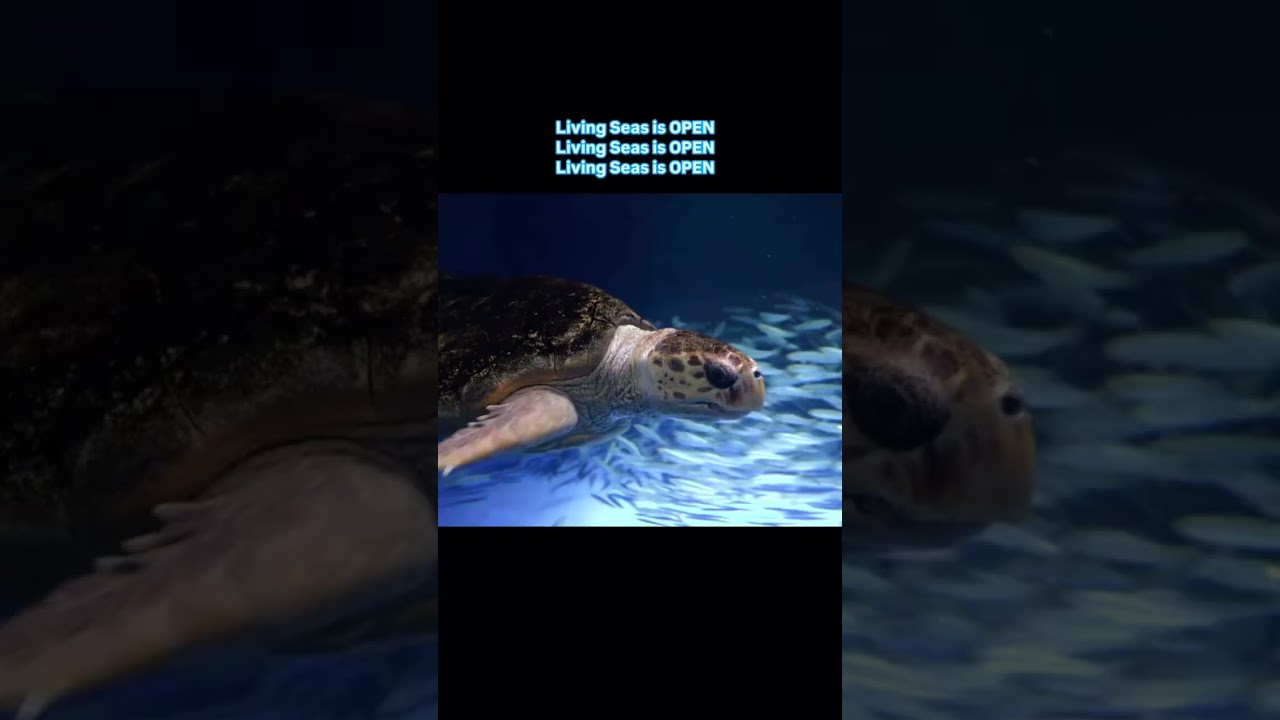
- Introduction to the Living Seas exhibit and its significance in marine conservation and education.
- Overview of the diverse marine habitats and species featured at the Living Seas.
- Insights into zoo management practices that ensure the health and well-being of marine life.
- Exploration of conservation initiatives connected to Living Seas and their global importance.
- Educational opportunities and interactive programs that engage visitors in marine ecology.
Living Seas Now Open is a groundbreaking exhibit that celebrates the wonders of ocean life while highlighting critical issues in marine conservation. As a state-of-the-art attraction, it serves as a beacon of education and preservation, aiming to inspire a deeper understanding of our oceans, their inhabitants, and the vital role they play in Earth’s ecosystems. The exhibit was developed with the primary goal of fostering both fascination and responsibility towards marine life.
Marine Habitats and Species Diversity
Living Seas showcases an array of marine habitats, each reflecting the complexity and interdependence found in ocean ecosystems. Visitors are transported to diverse environments, from vibrant coral reefs teeming with life to the lush kelp forests swaying in rhythmic currents. These reconstructions provide a realistic panorama of marine biodiversity, with each habitat meticulously designed to replicate specific oceanic conditions.
The exhibit features an extraordinary variety of marine species, enhancing visitors’ appreciation of oceanic life. Colorful tropical fish glide through coral reefs, sea turtles navigate their carefully curated domains, and cunning cephalopods demonstrate their problem-solving prowess. These species are more than just spectacle; they are ambassadors for their environments, embodying the unique adaptations that allow survival in challenging ocean habitats.
A focus on diverse species underscores the importance of biodiversity and ecological balance. Educational signage and interactive displays provide insights into the ecological roles each species plays, from predators maintaining population control to herbivores sustaining algal growth. By understanding these dynamics, visitors gain a deeper appreciation of the intricate web of life that supports healthy oceans.
Zoo Management and Marine Life Care
Managing a zoo involves complex logistics, especially when caring for marine life. At Living Seas, these practices are crafted with precision and thoughtful design, prioritizing the health and well-being of species under their care. Specialized systems regulate water quality and temperature, closely mirroring natural environmental conditions to optimize animal welfare.
Feeding regimes are developed in alignment with each species’ nutritional needs, employing expert veterinary oversight to analyze dietary requirements. Marine animals benefit from enriched environments that encourage natural behaviors, reflecting the zoo’s commitment to ethical and empathetic animal care.
In addition to physical health, behavioral enrichment plays a critical role. Routine assessments and interactions help monitor mental well-being, an often-overlooked aspect in the management of marine species. By providing challenges and stimuli, the zoo ensures vibrant and active inhabitants, enhancing both their quality of life and visitor experience.
Conservation Initiatives and Global Impact
Integral to the mission of Living Seas is championing marine conservation. The exhibit supports numerous initiatives aimed at preserving ocean habitats and threatened species worldwide. By participating in global breeding programs, Living Seas contributes to genetic diversity and serves as an ark for endangered species, safeguarding against extinction.
Collaborations with conservation organizations amplify these efforts, transforming local programs into global impact. Living Seas is involved in research that addresses pressing oceanic issues such as climate change, pollution, and habitat destruction. The data collected aids in developing innovative solutions and advocacy efforts for marine protection.
The exhibit also serves as a platform for disseminating crucial information. Through workshops, lectures, and media outreach, Living Seas raises awareness about the challenges facing our oceans. By engaging the public with scientifically grounded content, it fosters a culture of conservation that extends beyond the zoo’s walls.
Educational Engagement and Interactive Learning
Education is a cornerstone of Living Seas, where interactive programs offer a dynamic way to explore marine ecology. Visitors participate in hands-on activities that reveal the intricacies of ocean life and environmental science. This interactive approach deepens understanding and retention of complex concepts, making profound topics accessible to diverse audiences.
Programs are designed to cater to various learning styles and ages. Children delight in touch pools, where they can safely interact with sea creatures under expert guidance. Young adults engage in marine science labs, conducting experiments that reveal the principles of oceanography.
For educators and students, Living Seas provides curriculum-aligned resources, enhancing classroom learning with real-world applications. Field trips become immersive experiences that inspire curiosity and critical thinking. These educational opportunities lay the foundation for future generations of marine biologists, conservationists, and informed citizens.
Living Seas Now Open transforms a visit into a journey through marine environments, offering visitors an educational and inspiring experience. It bridges the gap between entertainment and awareness, emphasizing the importance of marine ecosystems and the responsibilities we all share in their preservation. Through innovation, dedication, and a passion for the natural world, Living Seas serves as a vital resource for understanding and safeguarding our oceans’ future.
*****
Source Description
You hear the ocean calling too, right? 🌊 #LivingSeas is now open! 🎉 Discover the wonders of our ocean at #BirchAquarium today!
