
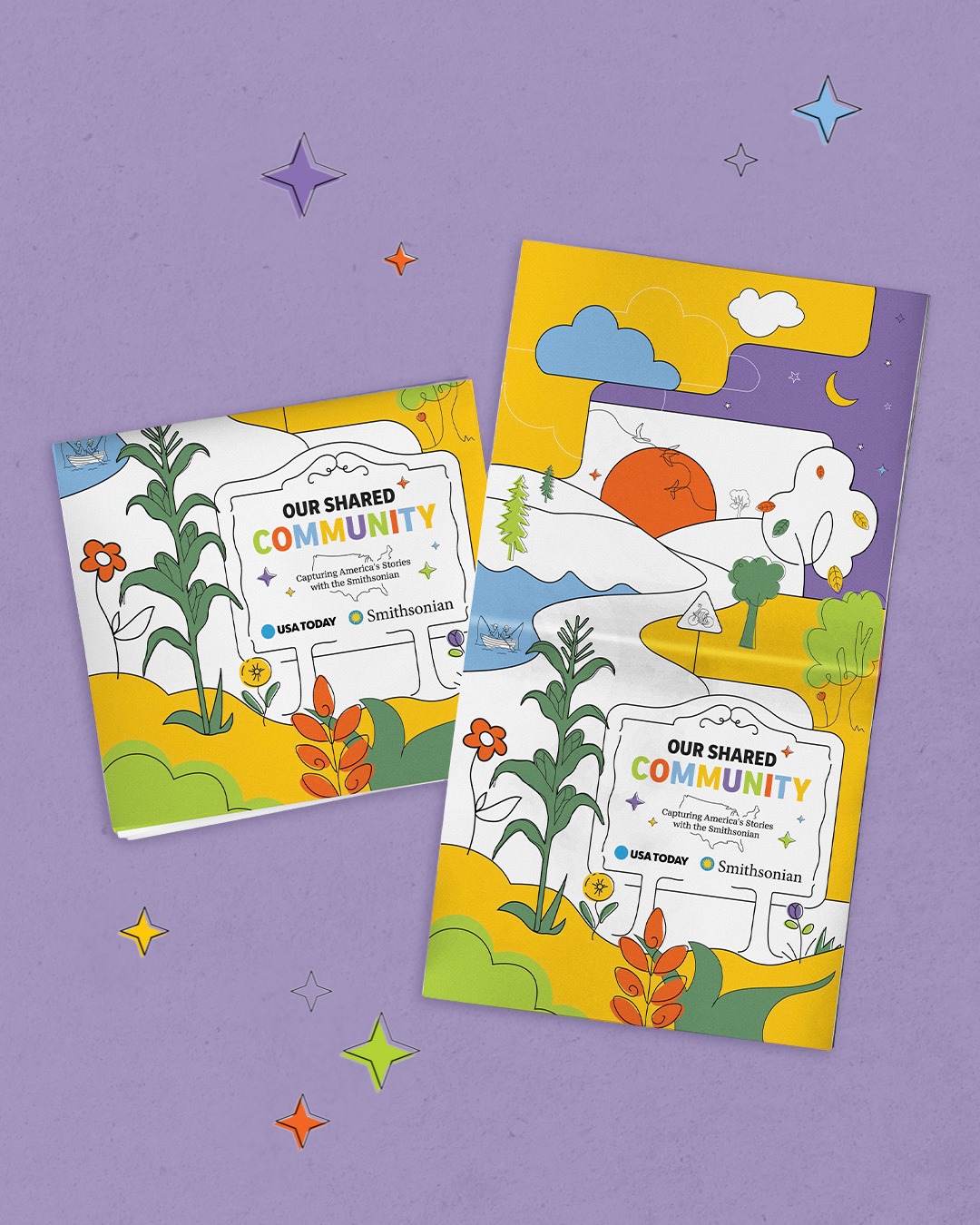
- The Smithsonian’s Activity Guide: Tools for Exploration
- Community Engagement through Virtual Experiences
- Wildlife Conservation Insights via Smithsonian Platforms
- Technology Meets Education in the Digital Age
- Expanding Knowledge through Localized Learning
The Smithsonian’s Activity Guide offers an exciting and interactive way for people across the United States to engage with various communities. By providing access to places like Alaska’s Arctic Studies Center and Arizona’s Whipple Observatory, this guide serves as a gateway to discovery. It emphasizes the importance of connecting with local wildlife, learning about conservation, and recognizing the valuable lessons these communities offer.
Using the Activity Guide, individuals can control telescopes, embark on virtual tours, solve crosswords, and unlock reading magic. These features allow for a sense of immersion that extends beyond simple observation. This multisensory approach enhances the learning experience, making it suitable for a diverse audience—from students to wildlife enthusiasts.
Community Engagement through Virtual Experiences is vital in connecting individuals to their local areas. The Smithsonian is not just a repository of artifacts; it’s an active participant in community development. Through virtual tours, users can explore local history, geography, and ecology without physical barriers. This access is especially beneficial for people in remote areas. They can experience what their communities have to offer while also connecting with experts and peers.
Moreover, these virtual experiences can be expanded to include community forums where participants discuss local wildlife such as bears in Alaska or birds in Arizona. These explorations can inspire actions striving for local conservation efforts. When communities engage meaningfully with their environment, they foster stewardship that can lead to positive outcomes for wildlife and habitats.
Understanding Wildlife Conservation Insights via Smithsonian Platforms is crucial for appreciating the interconnectedness of ecosystems. The Smithsonian holds an extensive collection of resources that provide insights into various species, habitats, and conservation techniques. Users can learn about methods to conserve local wildlife through educational modules that discuss habitat preservation, species survival strategies, and the role of each organism within its ecosystem.
Moreover, wildlife conservation goes beyond mere observation; it involves active participation. The Activity Guide empowers users to explore methods of supporting conservation efforts. Many local species, such as the endangered California condor or the threatened Arctic fox, can benefit from community-driven initiatives. Understanding these correlations can inspire individuals to take action and contribute positively to wildlife conservation.
The integration of Technology Meets Education in the Digital Age is a key element in the success of the Smithsonian’s initiative. The interface of telescopes and virtual tours exemplifies how technology can enhance educational experiences. Users can observe celestial phenomena and learn about the cosmos from the comfort of their homes, expanding their sense of wonder and curiosity.
This technological integration is not just technical. It also fosters collaboration. The ability to interact digitally with experts allows for guest lecturers, sharing real-time data, and engaging in discussions about pressing environmental issues.
Individuals can also participate in citizen science projects through the Smithsonian’s platforms. These projects allow anyone with internet access to contribute to scientific endeavors. People can upload local wildlife sightings, share photographs, and help in identifying species. This citizen participation is vital; it adds depth to the understanding of local biodiversity.
Expanding Knowledge through Localized Learning is another essential aspect of the Smithsonian Activity Guide. Tailoring content to specific ecosystems and communities enhances the educational aspect. For instance, exploring Arctic conditions in Alaska offers different lessons than studying desert ecosystems in Arizona. Each community has its unique characteristics that make the learning experience rich and varied.
The guide offers educational content suited for all ages and backgrounds. Crosswords, quizzes, and interactive games stimulate the mind while imparting essential knowledge. By blending fun with serious educational content, these activities broaden understanding and create lasting impressions.
The local wildlife featured not only serves as an educational tool but also inspires deeper feelings of connection and responsibility. Gaining insight into the behaviors and habitats of specific species can motivate individuals to contribute to conservation efforts. The impact of community learning and conservation is profound. It is not limited to just an intellectual understanding but involves emotional engagement with nature.
In summary, the Smithsonian’s Activity Guide opens doors to knowledge that many people may not have otherwise explored. The fusion of technology, community engagement, and a focus on conservation makes these resources invaluable. Learning is no longer confined to the traditional classroom but can be experienced in a myriad of innovative ways.
Utilizing the guide can lead individuals to not only enrich their understanding of wildlife and conservation but also inspire action. The more people learn about the significance of their local ecosystems, the more likely they are to advocate for their protection. Programs like these empower communities to take ownership of their environment and wildlife resources.
Accessing the Activity Guide is simple and entirely free, making it accessible to everyone. This democratization of knowledge is pivotal in fostering a society that values education, wildlife, and environmental stewardship. In a world where environmental issues are becoming increasingly prominent, the ability to learn, engage, and participate becomes essential.
For more information, you can download the Activity Guide at s.si.edu/OurSharedCommunity and begin your journey toward understanding your role in the conservation of local wildlife. The guide acts as your compass. It leads you to places, people, and practices that can inspire conservation efforts in your community.
*****
Source Description
The Smithsonian is your ticket to communities across the US! From Alaska’s Arctic Studies Center to Arizona’s Whipple Observatory, the new activity guide lets you control telescopes, embark on virtual tours, solve crosswords to unlock reading magic, and discover local wildlife!
👉 Download for free: s.si.edu/OurSharedCommunity
