
- Introduction to World Parrot Day and its significance
- Overview of the parrot family, focusing on species diversity and characteristics
- Conservation efforts and challenges facing parrots worldwide
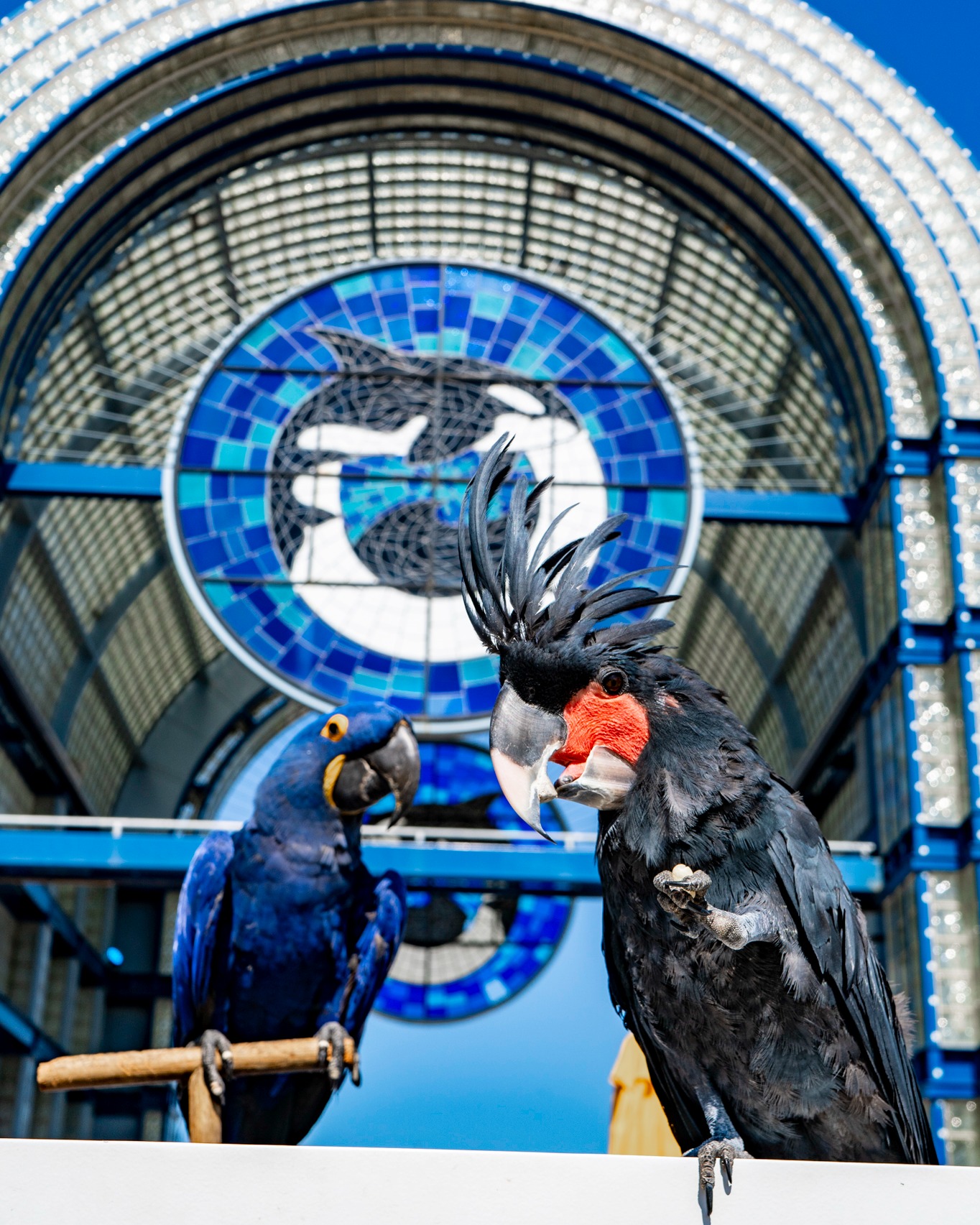
- Educational spotlight on Azul the Hyacinth Macaw and Jet the Black Palm Cockatoo
- Role of zoos in parrot conservation and public education
World Parrot Day is a global celebration dedicated to the appreciation and protection of parrots. This day aims to raise awareness about the challenges these stunning creatures face in the wild. By fostering a sense of responsibility towards their conservation, efforts can be made to safeguard their future. Parrots, known for their striking plumage and exceptional intelligence, are a vital part of diverse ecosystems worldwide.
The parrot family is large and varied, comprising over 400 species. These birds range from the small and social budgerigar to the strikingly large and independent Hyacinth Macaw. Known for their vibrant colors and remarkable vocal abilities, parrots occupy a variety of habitats, including tropical rainforests, savannas, and grasslands. Their ability to mimic human speech and other sounds is not just entertaining but also a sign of complex cognitive capabilities.
Despite their popularity, many parrot species face significant threats in the wild. Habitat destruction, illegal pet trade, and climate change pose serious risks to their populations. Deforestation and land conversion for agriculture have led to the loss of their natural habitats, while the demand for exotic pets has driven illegal smuggling. Climate change also alters their habitats and food sources, impacting survival rates.
Azul, our Hyacinth Macaw, represents the largest species of parrot. With a wingspan up to four feet, these birds inhabit the rainforest canopies of South America. Known for their deep blue feathers and yellow eye rings, Hyacinth Macaws are an endangered species. Their survival is threatened by habitat loss and the illegal pet trade. Conservation programs focus on habitat protection and captive breeding to bolster their numbers.
Jet, the Black Palm Cockatoo, is another fascinating member of the parrot family. Native to New Guinea and Northern Australia, this bird stands out with its charcoal-colored feathers and striking red cheek patches. Black Palm Cockatoos are known for using tools, such as rocks or sticks, to create rhythmic sounds to communicate and attract mates. Like many parrots, they face threats from deforestation and poaching.
Zoos play a critical role in parrot conservation by providing safe environments for breeding and public education. Through captive breeding programs, zoos can maintain genetic diversity and potentially reintroduce birds into their native habitats. Educational programs in zoos increase public awareness about conservation efforts, encouraging people to support sustainable practices and legal pet trade.
In support of World Parrot Day, people are encouraged to engage in activities that promote parrot conservation, such as supporting habitat restoration projects and advocating against illegal wildlife trade. By learning more about these incredible birds and their ecological importance, individuals can contribute to their preservation. Celebrating the beauty and intelligence of parrots is more than just admiration; it’s a call to action for protecting these avian wonders for future generations.
*****
Source Description
It’s World Parrot Day! 🦜
Meet Azul, our vibrant Hyacinth Macaw, and Jet, the impressive Black Palm Cockatoo—two incredible members of the parrot family. These feathered ambassadors help us share the beauty and importance of their species. Be sure to say hello when you see them around the park!
