
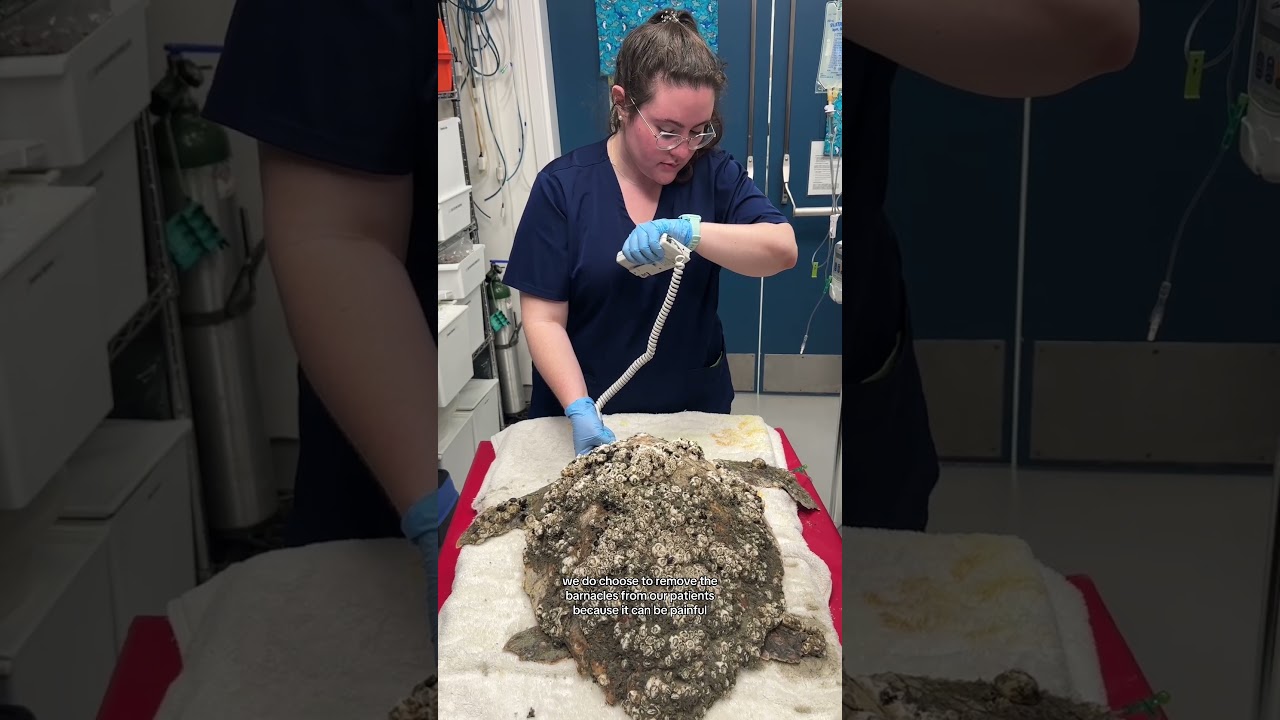
- Understanding the significance of SCDNR MTP 2025-0004 in marine wildlife conservation.
- The role of video documentation in wildlife research and conservation efforts.
- Detailed examination of marine species behavior and their interaction with their habitat.
- Challenges and strategies in zoo management and wildlife conservation.
- The importance of public engagement and education in conservation initiatives.
South Carolina’s Department of Natural Resources (SCDNR) has embarked on a noteworthy initiative with the MTP 2025-0004, taking clinginess to a whole new level with its focus on marine conservation. This initiative underscores the necessity of safeguarding marine biodiversity and highlights the evolving methods of studying and preserving ecological systems. By examining this project, one can better appreciate the current challenges and opportunities in wildlife conservation.
The SCDNR MTP 2025-0004 project is a beacon for marine wildlife conservation. It aims to deepen our understanding of marine life’s intricate behaviors and interactions. This initiative has brought about fresh insights into the lives of oysters and their ecological significance. Oysters, often overlooked, play a crucial role in maintaining the health of aquatic ecosystems. They serve as natural water filters and form habitats for various marine creatures. By conserving oyster populations, we also protect the myriad of life forms that depend on them.
The project’s documentation through video recordings has proven invaluable. These recordings offer direct insights into animal behaviors, providing data unachievable through traditional observation methods. Videos can capture the nuances of marine life, such as feeding habits, mating rituals, and predator-prey interactions. They also serve as educational tools that highlight the need for conservation, enabling scientists and educators to engage the public effectively.
Marine species exhibit complex behaviors influenced by factors like environment, food availability, and human activities. Oysters, being sedentary, interact with their surroundings uniquely. They attach themselves to substrates and form reefs, influencing water flow and sediment buildup. Through SCDNR MTP 2025-0004, new data on these behaviors enhances our understanding of oyster reef dynamics and resilience.
Zoo management and wildlife conservation face numerous challenges, from habitat loss to climate change. The SCDNR initiative sheds light on strategies to address these issues, such as habitat restoration and community involvement. Strategies like employing more advanced tracking technologies and creating protective marine zones are essential. These help mitigate human impact, allowing ecosystems to recover and thrive.
Public engagement and education play pivotal roles in conservation success. By involving local communities and raising awareness, initiatives like SCDNR MTP 2025-0004 bolster support for conservation efforts. Educating the public on the ecological importance of species like oysters fosters a conservation-minded generation. Schools, community programs, and media campaigns are vital for spreading awareness and inspiring action.
SCDNR MTP 2025-0004 exemplifies how technology, research, and education can converge to protect marine life. By leveraging video technology and fostering public interest, this initiative showcases the potential for more effective conservation efforts. As we continue to face ecological challenges, projects like these guide us toward achieving a balanced coexistence with nature.
*****
Source Description
