
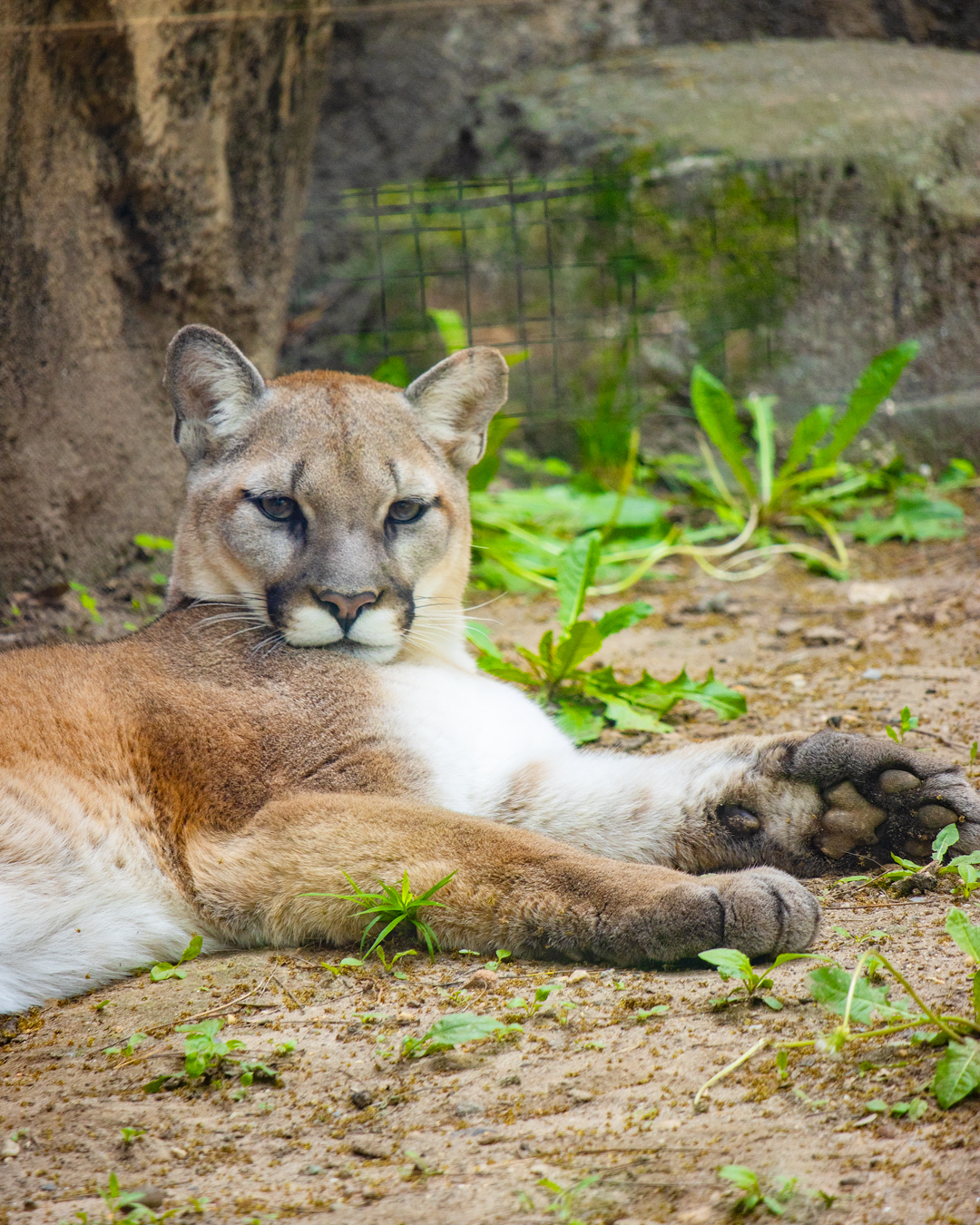
- Understanding the anatomy of a puma’s paw pads and their function.
- The role of Elbroch’s toe beans in behavioral ecology.
- The significance of scent glands in territorial marking and communication.
- Conservation efforts for pumas and the importance of understanding these behaviors.
- How wildlife conservation and zoo management benefit from studying puma behavior.
Pumas, also known as mountain lions or cougars, are fascinating creatures that capture our imagination with their grace and power. At the core of their agile movements and survival in the wild are their paw pads, often referred to affectionately as "toe beans." These structures play a crucial role in the daily life of a puma, allowing them to move silently and efficiently. This article explores various aspects of puma paw pads and provides insights into their function, behavioral significance, and conservation.
Understanding the anatomy of a puma’s paw pads is essential for grasping their purpose and utility. The paw pads serve as shock-absorbing cushions that facilitate stealth and agility. Each pad is made of a robust, yet pliable fat layer, covered with thick skin, allowing for graceful movement over rough terrain. This design enables pumas to pounce silently and run without alerting their prey. The elasticity of the pads absorbs the impact of landing, protecting their limbs from injury.
Beyond physical movement, the paw pads are equipped with sweat and scent glands. These components are crucial for the puma’s territorial behavior. As they traverse their domains, the secretion from these glands leaves a scent marker, communicating presence and boundaries to other pumas. This form of communication helps reduce conflicts and ensures smoother interactions within the species. These scent markings are especially vital during mating season, when clarity in territory boundaries can prevent unnecessary skirmishes.
The charismatic Elbroch—a prominent name in the field of wildlife study—provides valuable insights into these behaviors. Observing Elbroch showcasing toe beans up close reveals much about puma behavior and ecology. Such observations inform our understanding of how these animals interact with their environment. Through tracking and studying these delicate structures up close, researchers can gather data that aids in the development of conservation strategies.
Conservation efforts for pumas are increasingly important as their habitats face encroachment and degradation. Understanding the intricate details of their behavior, including territorial marking through scent and movement, informs initiatives aimed at preserving their environment. Ecological corridors, for example, are designed considering the territorial and migratory needs of pumas. Knowledge garnered from studying toe beans and their associated behaviors guides the creation of habitats that allow these majestic cats to thrive.
In the context of zoo management, understanding the behavioral ecology of pumas is equally critical. Zoos play a vital role in conservation by providing safe environments for breeding and educational opportunities for the public. By studying paw pads and the behaviors they facilitate, zookeepers can replicate natural habitats and behaviors, enriching the lives of pumas in captivity. This understanding enhances behavioral health, which is crucial for breeding programs and long-term species survival.
In conclusion, the study of puma paw pads, including the delightful "toe beans" of Elbroch, offers profound insights into their ecology and behavior. These small structures hold significant importance in the larger context of wildlife conservation and zoo management. By continuing to explore and understand these aspects, we contribute to the ongoing efforts to protect and preserve pumas and their habitats for future generations.
*****
Source Description
Elbroch showing off his toe beans!
A puma’s paw pads act as shock-absorbing cushions that help them move quietly and land softly when running or jumping. They also contain sweat and scent glands used for marking their territory 🐾
