
- Exploration of free-flight aviaries as immersive environments for bird conservation and education.
- The role of behavioral enrichment and habitat design in enhancing bird welfare in aviaries.
- Impact of free-flight experiences on visitor engagement and awareness of avian conservation issues.
- Challenges and considerations in managing a free-flight aviary, including health, safety, and ecological balance.
- The significance of free-flight aviaries in global conservation efforts and their role in rescuing endangered bird species.
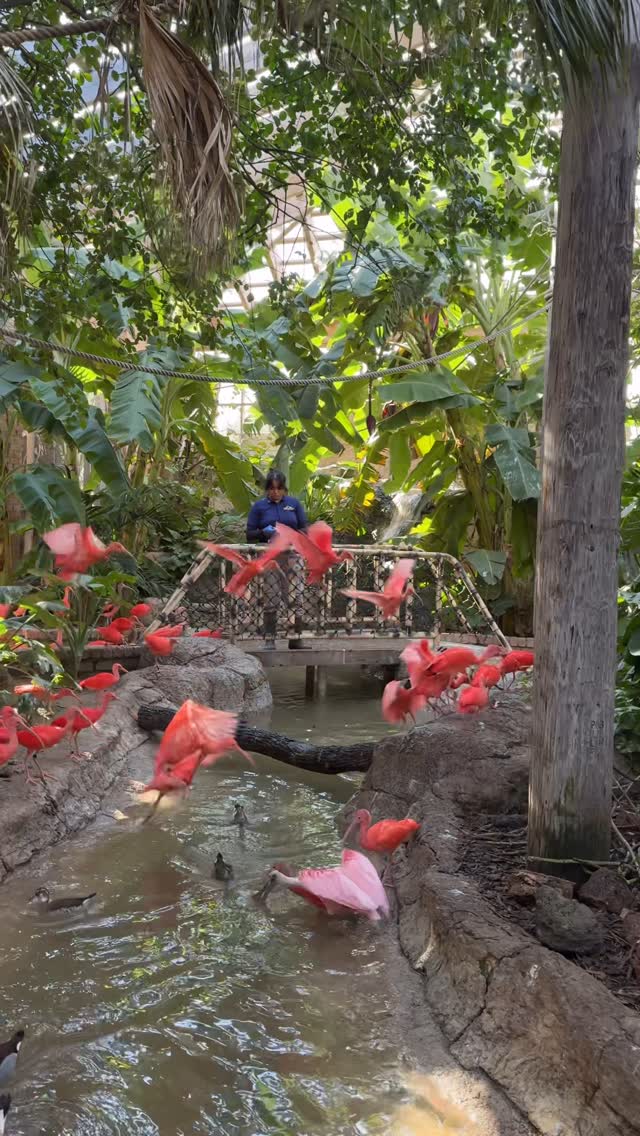
Taking a stroll through a free-flight aviary offers a glimpse into a vibrant ecosystem where birds soar unencumbered by cages. These aviaries serve as living museums, providing both sanctuary for avian species and an educational platform for visitors. Their design replicates natural habitats, incorporating lush vegetation and diverse topographies to create an environment conducive to natural behaviors.
The purpose of such aviaries extends beyond recreation. They are critical for the practice of conservation. By simulating natural conditions, free-flight aviaries allow birds to exhibit behaviors such as foraging, nesting, and socializing. This natural interaction is vital for psychological and physical health. Additionally, these environments help in breeding programs, aiming to bolster populations of endangered species.
Behavioral enrichment within free-flight aviaries is paramount. Enrichments, such as feeding puzzles or interactive exhibits, encourage problem-solving and engagement in birds. These activities enhance mental stimulation and physical health, which are crucial for species that face challenges in captivity. Visitors witness firsthand the importance of these enrichments, fostering a deeper understanding of avian needs and inspiring actions in support of wildlife preservation.
Visitors are often amazed at the proximity to birds in these aviaries. The free-flight experience is a powerful tool for education, captivating audiences and raising awareness about the complexities of avian life. This engagement is invaluable, as it transforms visitors into advocates for conservation. By witnessing the agile movements and diverse vocalizations of birds, people develop an emotional connection that often translates into support for conservation initiatives.
Managing a free-flight aviary involves addressing numerous challenges. The health and safety of the birds are primary concerns, requiring rigorous health monitoring and diet management. Feeding schedules need to mimic natural feeding patterns, and vet care must be readily available to address any health issues. The ecological balance within the aviary must also be maintained. Overcrowding can lead to stress and disease, while invasive species may upset the established equilibrium. Consequently, careful planning and adaptable management strategies are critical.
Globally, free-flight aviaries contribute significantly to conservation efforts. They provide refuge for species threatened by habitat loss and environmental change. Breeding programs within these aviaries are sometimes the last resort for species on the brink of extinction. The knowledge gained from these programs aids in developing strategies for reintroduction and preservation. By collaborating with other conservation organizations and participating in international breeding programs, these aviaries play an integral role in global biodiversity conservation.
Free-flight aviaries are symbols of what modern zoos can achieve when merging education, conservation, and visitor engagement. They are dynamic spaces where birds thrive, and visitors gain invaluable insights into the natural world. Their continued development and enhancement are essential not only for avian welfare but also for advancing global conservation goals. These aviaries inspire a sense of responsibility toward preserving avian species and their habitats, ensuring future generations can enjoy these feathered wonders.
*****
Source Description
Taking a stroll through the free-flight aviary.
