
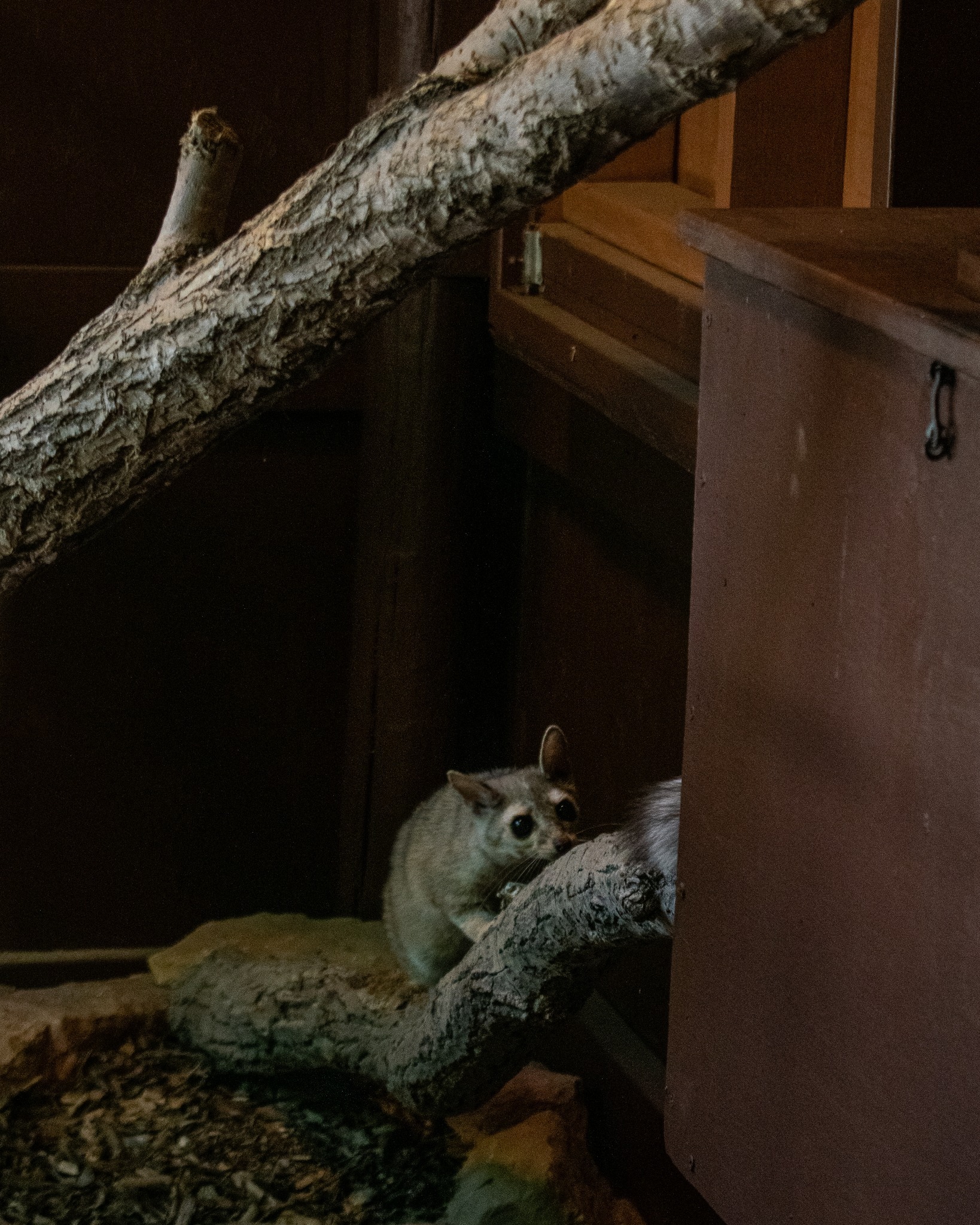
- Overview of the Ringtail Cat: Taxonomy and Habitat
- Physical Characteristics and Adaptations
- Diet and Behavior
- Conservation Status and Threats
- Importance of Ex Situ Conservation Programs
The ringtail cat, also known as the miner’s cat, bassarisk, or cacomistle, is a member of the raccoon family (Procyonidae) and resides primarily in the southwestern United States, extending into Mexico. This shy, nocturnal creature is seldom spotted in the wild due to its elusive nature and preference for denser habitats such as rocky outcrops, canyons, and forests. The ringtail cat’s taxonomy places it in the genus Bassariscus, highlighting its close relation to raccoons and other members of the Procyonidae family.
A notable feature that makes the ringtail cat easily recognizable is its striking appearance, characterized by a long, slender body and a distinctive ringed tail. Adult ringtails typically measure between 20 to 30 inches in length, including their tail, which alone can account for more than half of their body length. Their fur is soft and dense, ranging from a light brown to a darker shade, with white underparts that aid in camouflage within their rocky surroundings. An exceptional adaptation found in ringtail cats is their ability to rotate their ankle joint 180 degrees, allowing them to descend from trees and rocky ledges headfirst. This skill enhances their climbing abilities, making them agile and adept at exploring their environment.
Diet is another important aspect of the ringtail cat’s life. These animals are omnivorous and opportunistic feeders, consuming a varied diet that includes fruits, insects, small mammals, and birds. Their foraging habits are influenced by seasonal changes; during certain times of the year, they may depend more heavily on fruit or nuts as a food source. This adaptability in diet not only helps them survive but also demonstrates their ecological role in seed dispersal, contributing to plant regeneration in their environments.
In understanding the behavior of the ringtail cat, it becomes evident that their nocturnal lifestyle plays a significant role in their daily activities. Most ringtails are active during the night, allowing them to hunt and socialize while avoiding many predators that are active during the day. When seeking shelter, they often use tree cavities, rock crevices, or human-made structures like abandoned mines. They are known to exhibit playful behavior, often seen climbing and jumping, which fosters their agility. Socially, ringtails are somewhat solitary but can be seen in small family groups or pairs during specific times, such as mating season or when caring for young.
The conservation status of the ringtail cat is not classified as endangered, but their populations are affected by habitat loss and fragmentation. Urbanization and agricultural expansion can drastically reduce suitable habitats, putting pressure on local populations. They face threats from road traffic, which can lead to higher mortality rates. Understanding these threats is crucial for the enhancement of conservation strategies aimed at preserving their habitats and populations.
Conservation programs that focus on ex situ conservation and education have become increasingly essential for species like the ringtail cat. Institutions such as zoos play a vital role in raising awareness about species conservation, often participating in breeding programs that aim to bolster population numbers. These efforts can include not just the ringtail cat but also a broader initiative to ensure that species continue to thrive in their natural environments.
Ringtail cats, like Pippin and Pixie, often become ambassadors for wildlife conservation. Their presence in zoos allows the public to gain appreciation for these elusive creatures while learning about the ongoing conservation efforts that support them. Viewing opportunities, such as the nesting box in their exhibit, bring the need for conservation to the forefront, partially serving as a reminder of why species like the ringtail cat are worth protecting. Engaging visitors with interactive displays and educational materials further enforces the importance of conservation in a way that is relatable and impactful.
Moreover, monitoring ringing cat populations in their natural habitats allows researchers to gather vital data on their ecology and behavior. This information can guide management strategies that aim to restore ecosystems and create wildlife corridors to facilitate movement between fragmented habitats. The future of the ringtail cat, as well as many other wildlife species, will depend on these strategic and informed conservation actions.
As more attention is brought to the ringtail cat’s natural history, the intricate connections it shares with its environment become apparent. The ringtail cat serves as both a predator and a prey species, establishing its role within local ecosystems while relying on a healthy habitat for survival. Recognizing this ecological balance emphasizes the significance of not only conserving ringtail cats but also the broader ecosystems in which they reside.
The ringtail cat is a remarkable creature that encapsulates the essence of wildlife diversity in the southwestern United States and Mexico. Its unique adaptations, diet, and social behavior exemplify the intricate nature of wildlife interactions. Initiatives that aim to educate the public and promote conservation awareness can significantly contribute to ensuring that species like the ringtail cat continue to thrive in their natural habitats for generations to come. By investing in these efforts, we enrich our understanding of wildlife ecology and foster stewardship for the natural world around us.
*****
Source Description
Ringtail cat, miner’s cat, bassarisk, or cacomistle, but you’ll probably just call them cute.
Pippin and Pixie, our ringtails, were moved yesterday! They are now located in the Pioneer Barn in the Farm area. If you’re thinking, “Moved from where? I’ve never seen them!” While they’ve been on exhibit near the front of the zoo, you likely haven’t spotted them. That’s because they are primarily nocturnal and love to hide away during the day.
The ringtail is a fascinating little creature. Their native habitat range includes most of the southwest (Colorado included) and Mexico, which might surprise you since they’re rarely seen in the wild. They belong to the raccoon family, which you may have guessed since they sport a familiar ringed tail. They’re also excellent climbers with an interesting adaptation that allows their ankle joint to rotate 180 degrees; this gives them the ability to climb down trees and rocks headfirst.
If you’re wanting to sneak a peek, you might find them in their nesting box, which conveniently has a viewing window, or in their favorite stump near the exhibit window. Friendly reminder: please do not tap on the exhibit glass. They need their cute-y sleep after all.
