
- The Role of Wolves in Ecosystems: Understanding the dynamics of wolf interactions and their impact on ecological balance.
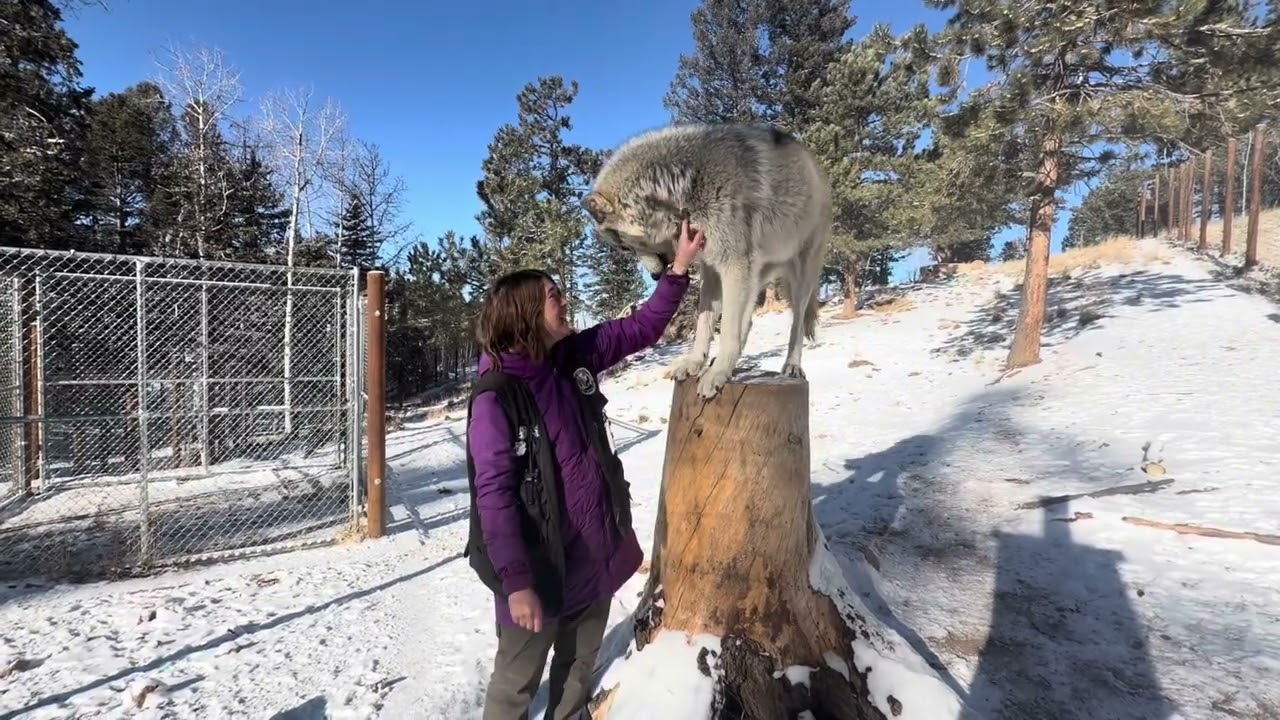
- Nanuk and Raven: Examining the personalities and behaviors of these particular wolves, highlighting their significance.
- Challenges in Wolf Conservation: Addressing the threats and hurdles faced in protecting wolf populations.
- Wolf Communication and Behavior: Exploring how wolves communicate, establish hierarchies, and function within packs.
- Zoo Management and Conservation Strategies: Discussing the best practices employed in zoos to support wolf conservation efforts.
Wolves play a crucial role in maintaining ecological balance. Their presence in ecosystems helps regulate prey populations, which in turn affects vegetation and other wildlife. Wolves impact the food chain and contribute to biodiversity, serving as a keystone species. Their hunting actions cull weaker animals, promoting healthier prey populations and leading to more diverse plant life. Understanding these dynamics allows conservationists to formulate practices aimed at maintaining natural equilibrium.
The story of Nanuk and Raven is particularly fascinating as it offers insights into their distinct personalities and behaviors. Nanuk is often recognized for his dominance and social intelligence, characteristics typical of alpha wolves. Raven exhibits a more curious and playful demeanor, providing a complementary contrast within their pack. Observations of their interactions offer valuable learning opportunities about social structures and interactions within wolf communities.
Wolf conservation presents numerous challenges. Habitat loss, human-wildlife conflict, and legal hunting pose substantial threats to their survival. Conservationists work tirelessly to develop strategies to protect these animals, which include habitat restoration and creating corridors for safe movement. Legislation plays a crucial role in safeguarding wolves, but public perception and education are key to successful conservation efforts.
Communication within wolf packs is remarkably complex. Wolves use vocalizations, body language, and scent marking to convey messages and establish hierarchies. Howling serves multiple purposes, such as defining territory and coordinating group activities. Social hierarchies are maintained through clear behavioral cues, ensuring order and cohesion within the pack. Understanding these communication methods is essential for both research and conservation practices.
In zoos, managing wolf populations requires careful attention to their natural behaviors and ecological needs. Successful zoo management involves simulating natural habitats and fostering pack dynamics to promote mental and physical health. Conservation strategies in zoos include breeding programs and public education, which raise awareness and support for wild counterparts. By employing these methods, zoos contribute significantly to global wolf conservation initiatives.
*****
Source Description
