
- The ecological significance of zoos during fall seasons
- Behavioral changes in animals as autumn approaches
- The role of fall sunsets in zoo visitor experiences
- Conservation efforts highlighted during fall
- Educational programs and initiatives associated with fall at the zoo
Zoos play a vital role in wildlife education and conservation, particularly evident during the stunning fall season. As the days shorten and leaves transition into vibrant hues, these environments showcase more than just pretty scenery. They embody ecological significance, inviting visitors to engage deeply with animal behavioral changes and conservation messages.
In autumn, animals exhibit noticeable behavioral changes. Many species begin to prepare for the colder months, adjusting their activities and habitats. For instance, some bears enter a state of hyperphagia, feeding voraciously in preparation for hibernation. This behavior educates visitors on natural patterns and the importance of energy conservation in wildlife. As leaves fall and temperatures drop, species like deer begin to shed their summer coats. Observing these shifts provides insight into the adaptive strategies animals employ to ensure survival during harsh conditions. Understanding these changes enhances a visitor’s appreciation for not just the individual animals but also the intricate ecosystems they inhabit.
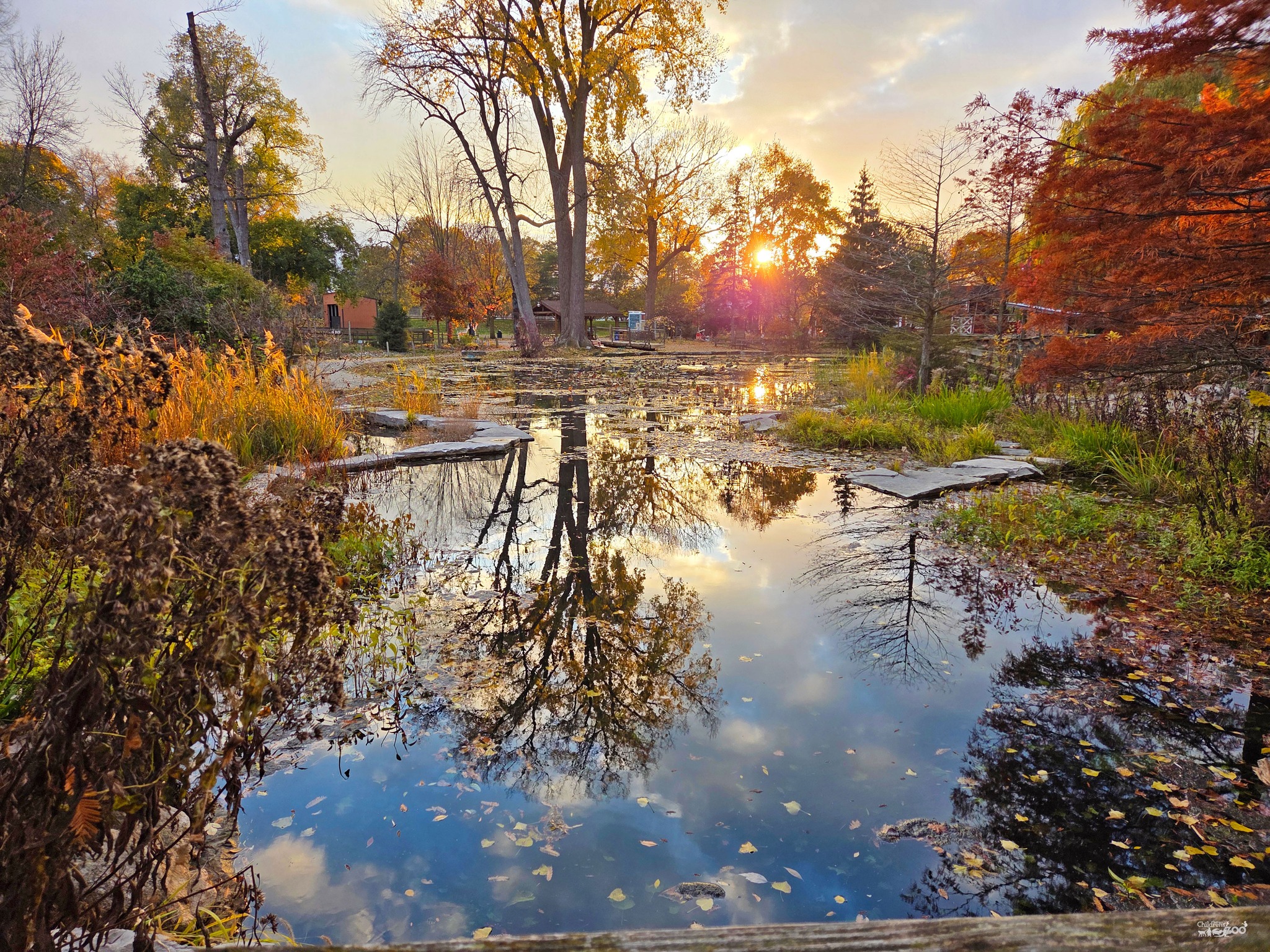
The beauty of fall sunsets at the zoo serves as an added attraction. The blend of orange, pink, and purple hues creates a breathtaking backdrop that captivates visitors. These moments create a unique opportunity for engagement, encouraging people to reflect on the importance of biodiversity. During this time, education-focused initiatives often take center stage. Various zoos host events that draw attention to conservation efforts, emphasizing the connection between healthy ecosystems and the animals that inhabit them.
Farmers’ markets and seasonal festivals frequently coincide with fall, allowing zoos to connect with local communities. Seasonal events not only enhance visitor experience but also serve educational purposes. For example, educators may give talks about wildlife migrations that occur in the fall. They might discuss how animals like monarch butterflies travel thousands of miles and the challenges they encounter along their routes. Such activities foster a sense of responsibility toward nature and encourage proactive approaches to conservation.
Conservation efforts gain momentum during fall months, aligning tightly with themes of renewal and preparation. Many zoos take this time to highlight endangered species and involve visitors in efforts to support these animals. Programs often focus on habitat restoration, conservation techniques, or partnerships with organizations dedicated to wildlife protection. Involving visitors in these initiatives enhances understanding and compassion toward wildlife, promoting a culture of stewardship.
Educational programs flourish during the fall as schools often bring students on field trips to observe animals and participate in hands-on learning experiences. These programs emphasize the key themes of ecology and conservation, outlining the complex interdependencies found in nature. Children learn about food webs, the significance of keystone species, and the vital roles different organisms play in their ecosystems.
At this time of year, the educational narrative extends beyond the walls of the zoo. Many institutions offer special lectures or workshops discussing environmental issues such as climate change. These discussions link local changes in the environment to global challenges faced by various species. Engaging visitors in relevant issues enhances not only knowledge but also inspires grassroots movements toward sustainability.
In addition to educational initiatives, fall sunsets at the zoo set the stage for memorable photography. Community members and wildlife enthusiasts capture images of animals against the backdrop of vibrant autumn landscapes. This visual representation aids in advocacy efforts, providing compelling images that can be used to raise awareness about conservation issues. Social media platforms are flooded with such photos, reaching audiences far beyond the on-site visitors, thus expanding the message of conservation.
Many conservation efforts are local, emphasizing native species that might not receive as much attention as exotic animals. These initiatives help bolster populations of animals that are crucial to local ecosystems, drawing attention to the importance of maintaining biodiversity in one’s surroundings. Actions such as tree planting or wetland restoration connect community members with their local wildlife, reinforcing that conservation is not just a global issue but a local reality.
The timing of educational programs and outreach initiatives is often strategically planned to coincide with the fall season. This allows zoos to highlight changes in animal behavior while engaging the public in ongoing research efforts. Scientific management incorporates seasonal influences into programs, ensuring they match the academic calendar and community interests. This attention to timing helps nurture a sense of urgency around conservation and imparts the message that individual actions can make a meaningful impact.
Fall sunsets at the zoo also provide opportunities for reflective practices. Visitors find moments of tranquility while watching animals settle in for the night. This contemplation can herald deeper connections with wildlife, motivating individuals to become more active in conservation efforts. Visitors may reflect upon their roles in the larger ecosystem, striving to make choices that support animal welfare and environmental sustainability.
As the sun dips below the horizon, the sights and sounds of the zoo transition into a different experience. The nocturnal activities of some species come to life, offering a unique contrast to the daylight behaviors that dominate earlier hours. Nighttime observation offers a glimpse into the complex lives of animals, engaging visitors in thrilling discoveries about the darker aspects of wildlife.
Zoo management often employs staff who are keenly interested in wildlife and conservation, focusing on visitor engagement. Staff members facilitate educational programs and guided tours, ensuring interactions are meaningful. Their expertise offers personalized insights, fostering deeper connections and interactions among visitors.
Incorporating art and culture into the zoo experience, many institutions host art exhibitions or performances during fall. These events can blend the beauty of autumn with wildlife themes, providing a different layer of engagement for visitors. When art intersects with animal conversation, it inspires public interest and opens dialogues about conservation and animal welfare.
Volunteering opportunities are abundant during this season, giving community members hands-on experiences working alongside zoo staff. Whether assisting with habitat restoration or engaging in educational outreach, volunteers gain practical knowledge about wildlife conservation. These activities foster camaraderie among volunteers, creating a community invested in wildlife protection.
Zoos often gather data on visitor interactions and program participation during fall seasons. This information is integral for planning future events and designing educational programs that resonate with audiences. Understanding visitor preferences allows zoos to curate experiences aligned with public interests while advancing conservation messaging.
As animals transition into winter routines, the zoo becomes a dynamic educational landscape. Each fall sunset contributes to a narrative that connects the public to wildlife in influential ways. This connection fosters appreciation, encouraging people to educate themselves further about the natural world. By carefully orchestrating programs and events, zoos serve as powerful hubs for conservation education.
Ultimately, the confluence of fall sunsets and wildlife serves as a reminder of nature’s rhythms. Observing these changes evokes wonder and sparks conversations about environmental stewardship. The zoo acts as an important nexus for understanding wildlife, promoting behaviors that support conservation and sustainability. Visitors leave with a deeper connection to nature, driving home the importance of preserving wildlife and their habitats as essential components of our ecosystems.
*****
Source Description
🍂 Those fall sunsets at the Zoo…
