
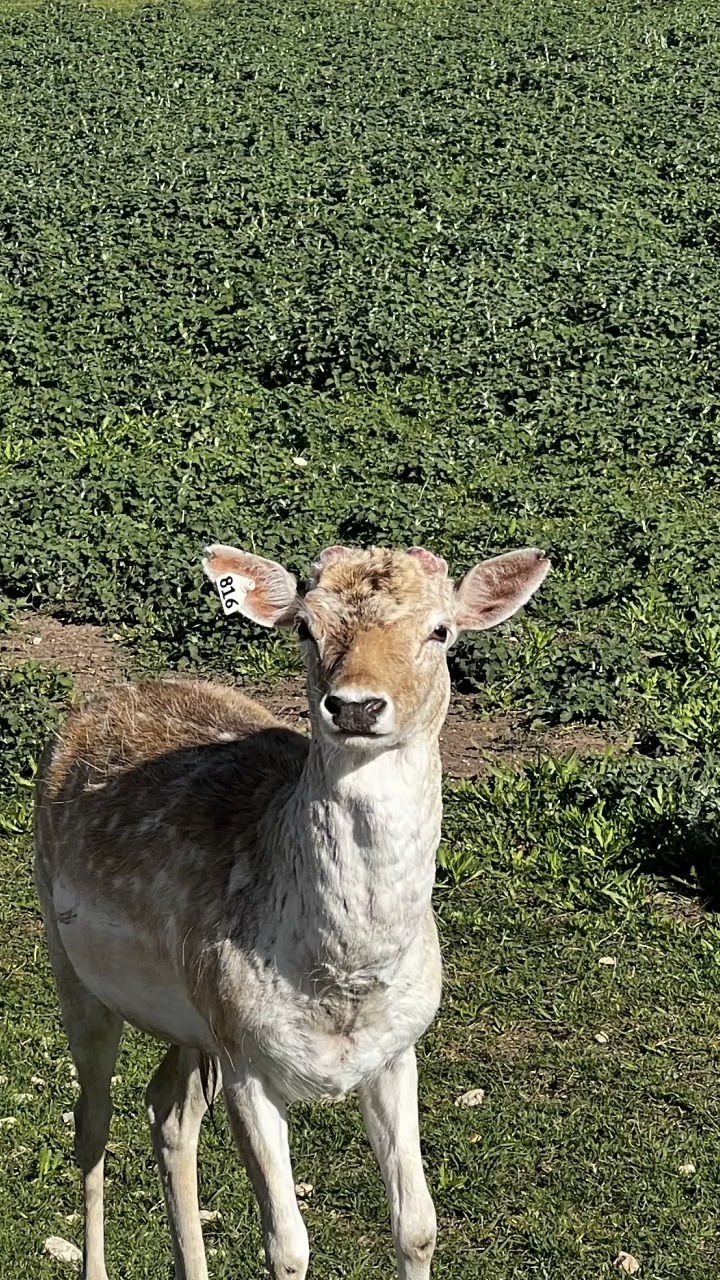
- The biological process of antler growth in fallow deer
- The significance of antlers in mating and social behaviors
- Seasonal timing and environmental factors affecting antler shedding
- Conservation implications of fallow deer and their habitats
- The role of antlers in ecosystem dynamics and deer population health
The biological process of antler growth in fallow deer is a fascinating example of mammalian adaptation. Fallow deer, like other members of the Cervidae family, experience a seasonal cycle of antler growth and shedding. Each year, these animals begin with a small bump on their heads in spring, a condition known as “pedicle.” This initial bud develops rapidly, fueled by an increase in testosterone levels, which ramps up as longer daylight hours arrive. Scientifically, it is noted that antlers are the fastest-growing bone structures in the animal kingdom, demonstrating remarkable growth rates of up to two inches per day.
By summer, these antlers are complete and are typically covered in a soft, velvety skin that supplies blood and nutrients. This velvet is shed in late summer or early autumn, exposing the hardened bone beneath. The fully grown antlers can vary significantly in size and shape depending on age, nutrition, and genetics. Fallow deer can grow palmate (broad and flattened) antlers, which are distinctive and easily identifiable among other deer species, such as the more commonly known branched antlers of white-tailed deer.
The significance of antlers in mating and social behaviors is profound. During the breeding season, which peaks in autumn, male fallow deer engage in displays of dominance and strength to attract mates. Antlers play a crucial role in this courtship process. Males use their antlers to spar with one another, establishing hierarchy and access to breeding opportunities. The resulting competition can significantly affect a male’s reproductive success; larger, healthier antlers often indicate a prime genetic background. Even though larger antlers provide advantages, other factors such as display behaviors and vocalizations also contribute to winning over potential mates.
Understanding the seasonal timing and environmental factors affecting antler shedding provides further insights into fallow deer ecology. Antler shedding usually coincides with the onset of winter when reduced daylight triggers hormonal changes in male deer. The decrease in testosterone levels leads to the eventual shedding of antlers, often starting in late winter or early spring. However, the timing can vary depending on geographic region, weather conditions, and food availability. In areas with significant human encroachment, such as urban landscapes or heavily urbanized regions, factors such as habitat fragmentation can disrupt natural antler shedding cycles, leading to unhealthy deer populations over time.
Conservation implications of fallow deer and their habitats cannot be overlooked. Fallow deer populations are often affected by habitat loss and fragmentation caused by agriculture and urban development. Effective management strategies target both habitat restoration and species conservation. Knowing the ecological needs of deer is vital for maintaining healthy populations. Land management practices that promote forest understory and shrub growth can enhance food availability during winter months, ensuring that deer have access to essential nutrients for proper antler growth.
Proper understanding and management of deer populations also hinge on the balance of their ecological role. As browsers, fallow deer help shape their environments. They consume a variety of plant matter, affecting plant composition and promoting biodiversity. A stable deer population contributes to a healthy ecosystem by providing food for predators and facilitating nutrient cycling through their waste. However, overpopulation can lead to overgrazing, which would negatively impact plant communities and potentially trigger ecosystem degradation.
Overall, the annual cycle of antler growth and shedding in fallow deer offers an intricate look at the complexities of their biology and ecology. It highlights the connection between individual animals and their environments, revealing the importance of conservation efforts. By understanding these dynamics, wildlife managers and conservationists can work to protect both fallow deer and the ecosystems they inhabit. This species serves as a model for studying broader ecological trends, providing valuable insights for conserving biodiversity and the environments sustaining it.
*****
Source Description
The fallow deer are dropping their antlers, so it’s time to start the process all over again. 🦌 If you didn’t know, deer will grow antlers seasonally starting from just a nub here in the springtime, and by the time fall arrives, they will have grown a new set of antlers to compete for the ladies. It is said that antlers are the fastest-growing tissue of any mammal.
