
- The Importance of Family Engagement in Zoo Education
- The Role of Performance Arts in Wildlife Awareness
- Benefits of Winter Visits to Zoos
- Wildlife Conservation Efforts and Public Involvement
- Preparing for Weather Impacts on Outdoor Events
Visiting a zoo offers unique educational experiences, particularly during events like the Toe Jam Puppet Band’s performances. The impact of such events goes beyond entertainment, enhancing family engagement in learning about animals and ecology. In an increasingly urbanized society, zoos play a vital role in connecting families with wildlife, fostering a sense of stewardship towards the environment.
Family engagement at zoos creates a powerful learning environment. Events like the Toe Jam Puppet Band’s performances draw in families, making the zoo more than just a place to observe animals. They become venues for shared experiences and learning opportunities. Family-oriented programs can encourage discussions about conservation and animal behavior among parents and children. This interaction enriches the educational value of the visit. Children retain more information when they learn in a lively environment that encourages questions and exploration. When families participate in performances together, they also create a lasting memory linked to wildlife education.
Performance arts, like those from the Toe Jam Puppet Band, have a strong influence on wildlife awareness. They engage audiences with narratives that can teach about animal habitats, species information, and the environment. Puppetry often simplifies complex ideas into relatable stories that resonate with both children and adults. For example, a puppet show that highlights the importance of habitat preservation can galvanize young audiences to care about environmental issues. This form of storytelling serves as a catalyst, sparking curiosity and prompting further exploration of related topics. The blend of live entertainment with educational content transforms conventional learning into an engaging experience that encourages active participation.
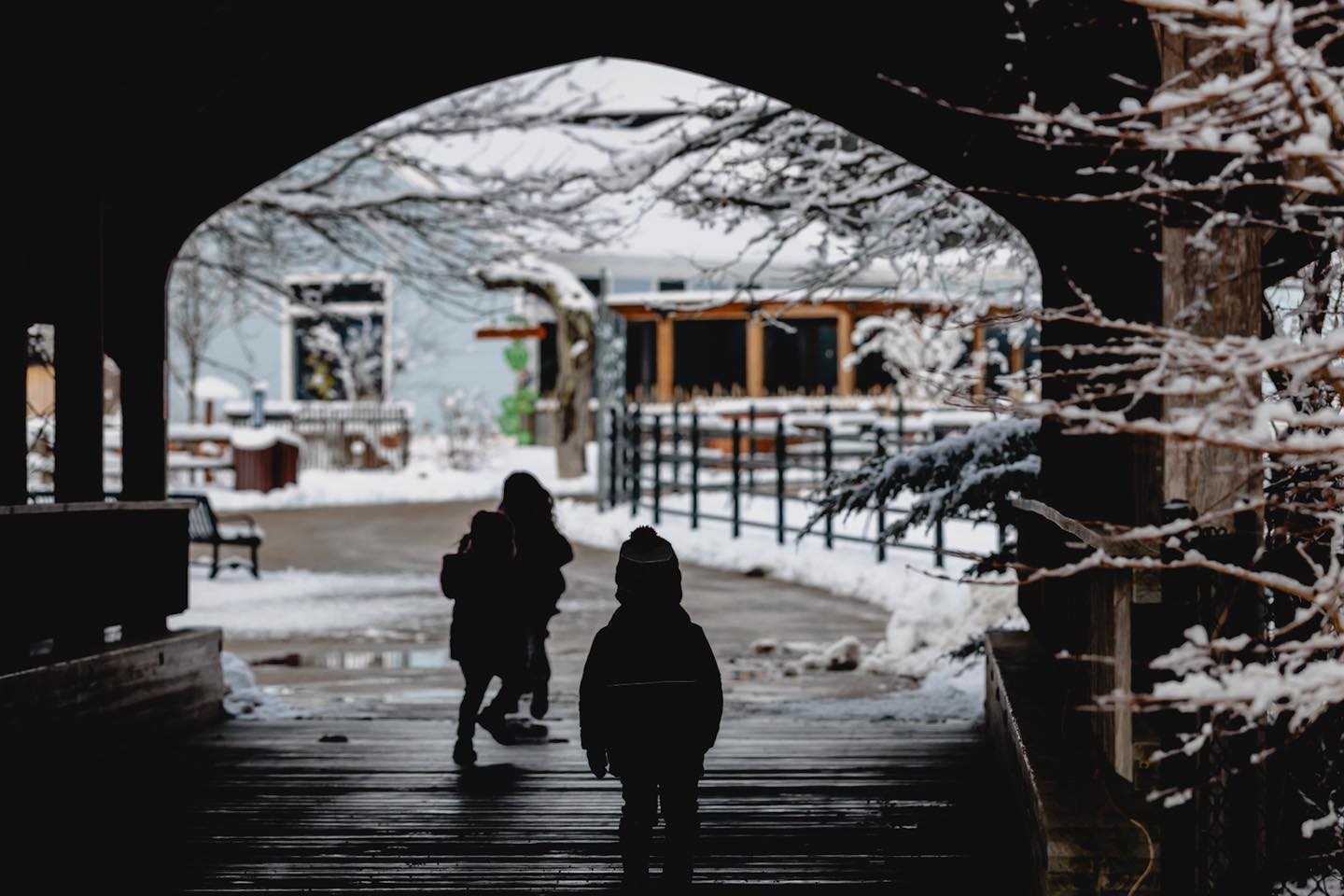
Visiting the zoo during winter, particularly after fresh snowfall, provides a different perspective on wildlife. Animals often display behaviors that are not as visible during warmer months. Observing how various species interact with their snowy environment fosters an understanding of their adaptations and survival strategies. For instance, polar bears are well-adapted to cold climates, while certain birds might migrate during harsh winters. This contrast can teach visitors valuable lessons in seasonal adaptations and the impacts of climate on wildlife behavior. Moreover, the serene beauty of a snow-covered environment creates a memorable backdrop, enhancing the overall experience for families.
Winter visits also raise questions about animal welfare and zoos’ contributions to conservation. Zoos can and should provide suitable environments that reflect the natural habitat where animals thrive. In colder months, proper care is crucial for the well-being of the animals. Discussing care techniques and how they adapt animals’ diets and habitats is essential for fostering public understanding of zoo management. By educating visitors about animal care practices, zoos can dispel myths surrounding captivity and demonstrate their commitment to conservation. Engaging discussions surrounding these topics can lead to increased public support for wildlife conservation initiatives.
Wildlife conservation efforts must rely on public involvement. When families visit the zoo, they support conservation programs that protect endangered species and restore habitats in the wild. Many zoos engage in breeding programs that help sustain populations of vulnerable species. By including visitors in educational activities, such as talks on conservation efforts, zoos can raise awareness about species at risk and cultivate a sense of responsibility. Public involvement is critical for effective conservation strategies; the more individuals know about wildlife issues, the more likely they are to contribute positively to solutions.
Weather can significantly affect outdoor events at zoos, including performances by the Toe Jam Puppet Band. Keeping an eye on local forecasts before planned events is essential. A potential snowstorm can alter attendance and safety measures. Zoos need to communicate effectively with the public regarding any changes or cancellations due to weather conditions, ensuring families stay informed. They often provide updates via social media and websites, indicating a proactive approach. These measures are vital for maintaining public interest and extending engagement opportunities for families.
Educational opportunities abound in a zoo setting, particularly during performance events. As families gather to enjoy shows offered by groups like the Toe Jam Puppet Band, they inadvertently absorb valuable information about wildlife and ecosystems. The influence of creativity in education cannot be overstated. Families are more likely to return to the zoo or support conservation activities when they enjoy their visit. The combination of live performances and wildlife education can inspire future initiatives aimed at wildlife protection and habitat restoration. Drawing families into these dialogues strengthens community ties to local wildlife efforts.
The design of zoo programs that include arts performances serves multiple purposes. They foster community engagement, enrich educational programming, and address pressing conservation needs. Families leave the zoo with not just an enjoyable experience, but also with knowledge that can translate into action. Moreover, puppetry encompasses diverse educational themes, including ecology, animal behavior, and environmental sustainability, allowing for rich, interdisciplinary learning experiences.
Incorporating seasonal elements, such as snowy weather, can enhance these programs. Animals often display different behaviors in winter, and understanding this variability can deepen visitor appreciation for the natural world. Snow provides a dramatic contrast to how many species have adapted for colder climates, making it a learning moment that families can share and discuss. Winter visits can stress the importance of observing and understanding animal adaptations in the face of climate change.
Zoos have an ethical obligation to engage families not merely through entertainment but as part of a broader mission in wildlife conservation. Each visit should aim to enlighten families about the importance of preserving biodiversity and protecting natural habitats. Conservation messaging can be embedded within performances, ensuring families understand their role in supporting these efforts. Awareness is the first step to inspiring action.
The Toe Jam Puppet Band’s performances are effective instruments to get families excited about wildlife. They transform messages around animal care, conservation, and ecological understanding into relatable formats. Such initiatives can break down the barrier between learning and fun. Sessions designed to draw in families promote inquiry and observation, fostering a lifelong interest in wildlife.
Addressing the relationship between zoos and the weather can reveal the complexities involved in zoo management. Having procedures in place that account for variables like snow helps maintain visitor safety and ensures a quality experience. Planning for outdoor winter events requires strategic thinking and adaptability. As weather patterns change, zoos must remain flexible in their approach.
In summary, family engagement through events like those held by the Toe Jam Puppet Band underscores the potential of zoos to educate and inspire. Performing arts plays a vital role in enhancing understanding and appreciation of wildlife. Visits during seasonal changes, such as winter, offer unique perspectives on animal behavior and care practices. Continued public engagement in wildlife conservation through education offers hope for preserving our planet’s biodiversity. Each performance has the potential to ignite curiosity in the next generation, setting the groundwork for future environmental stewards. The zoo is more than a destination for enjoyment; it stands as a critical venue for meaningful education and action in the field of conservation.
*****
Source Description
We loved welcoming so many families yesterday for Toe Jam Puppet Band’s performances!
There’s something extra magical about visiting the Zoo during a fresh snowfall.
Missed the fun? Toe Jam Puppet Band returns next Monday. We’re keeping an eye on a potential snowstorm Sunday night and will share an update on Monday’s performances later this week.
