
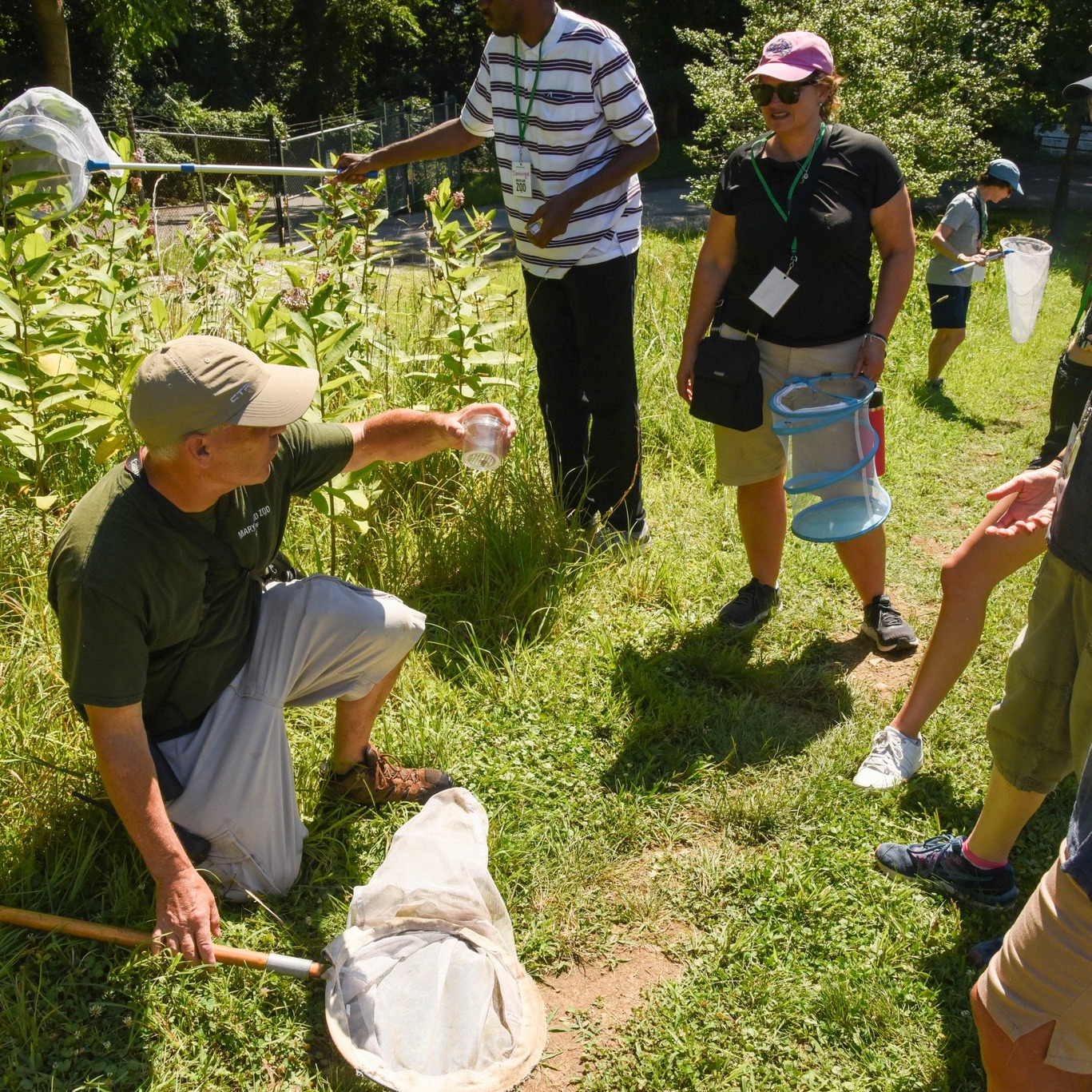
- Family Zoo Camp: An Overview of This Exciting Experience
- The Educational Value of Hands-On Animal Encounters
- Fostering Environmental Awareness Through Family Engagement
- Strengthening Family Bonds with Team Activities
- The Importance of Wildlife Conservation in Modern Society
Family Zoo Camp represents an ideal opportunity for families to connect while immersing themselves in the fascinating world of zoology, animal care, and conservation. This immersive program invites both parents and children to collaborate, fostering teamwork while developing a deeper appreciation for wildlife. Set against the dynamic backdrop of a zoo, participants will engage with animals and learn from experts, creating lasting memories and knowledge.
In an environment where families can work together, Family Zoo Camp emphasizes hands-on experiences. Each activity is designed to enrich knowledge about various species and their habitats. Children have an innate curiosity about animals that this camp aims to satisfy. Instead of merely viewing animals through glass or from a distance, this camp provides opportunities for direct interaction. Families can participate in feeding sessions, habitat building, and animal husbandry tasks under the guidance of trained zookeepers. Such activities not only reinforce animal care practices but also enrich participants’ understanding of animal behavior and biology.
Hands-on animal encounters present a unique educational advantage. Engaging with animals encourages children to ask questions, sparking intellectual curiosity. When kids witness how animals respond to their environment, they gain insights that textbooks alone cannot provide. For example, observing how elephants use their trunks for communication or how meerkats dig and forage introduces concepts of adaptation and survival.
This practical engagement can lead to life-long interests in zoology, biology, and environmental science. Participants are often inspired to continue exploring these subjects, possibly influencing their future education and career choices. As families navigate through interactive exhibits and educational sessions, they also develop critical thinking skills. Problem-solving activities related to animal care, such as understanding dietary needs or habitat requirements, require a thought process that fosters cognitive growth.
Another core theme at Family Zoo Camp is environmental awareness. This program serves as a platform for families to understand the importance of conservation and habitat preservation. By interacting with animals, families can appreciate the intricate connections within ecosystems. Learning how communities work to protect endangered species can lead to collective responsibility for the environment. Demonstrating the effects of human activity on wildlife illustrates the necessity of conservation efforts.
The camp also introduces various conservation programs undertaken by zoos and wildlife sanctuaries. Participants learn about breeding programs, habitat restoration, and community outreach initiatives. Engaging families in these discussions can foster a sense of stewardship. Families often leave these camps inspired to advocate for environmental issues in their own communities. They learn how small actions, such as reducing plastic use or supporting local conservation initiatives, can significantly impact wildlife preservation.
Family bonding is at the core of the Family Zoo Camp experience. Activities are designed to encourage collaboration and communication. Working together on tasks such as team-building exercises or scavenger hunts strengthens interpersonal relationships among family members. This experience allows parents and children to share responsibilities, fostering a sense of unity while navigating the camp’s adventures.
As families work side by side, they engage in discussions that deepen their connections. Topics may range from animal behavior to environmental ethics, fostering open lines of communication. These moments are invaluable for building trust and understanding. During challenges, families learn to rely on each other, creating a deeper sense of belonging and support.
The camp includes structured activities that promote teamwork, such as building enclosures or problem-solving animal care challenges. Parents and children can learn about the unique needs of different species while collaborating to meet those needs in simulated environments. This hands-on approach provides insight into the complexities of animal care and reinforces the importance of every family member’s contribution.
The modern context of wildlife conservation is another topic of significance explored in Family Zoo Camp. As wildlife populations face unprecedented challenges—habitat loss, climate change, and poaching—understanding these issues is critical. Families who participate in the camp not only acquire knowledge about individual species but also gain a broader perspective on the interconnectedness of global ecosystems.
Insight into the implications of these challenges is crucial. By understanding the role of zoos in conservation, families learn about ethical practices and the importance of scientific research. Earning this knowledge empowers families to think critically about their roles in broader conservation efforts.
Family Zoo Camp also emphasizes the importance of community engagement. Participants discover how local zoos collaborate with international organizations to support conservation projects worldwide. This aspect of the camp highlights that conservation is not exclusive to certain regions but is an interconnected effort. Families often leave the camp feeling inspired to participate in local conservation efforts, volunteering or donating to related causes.
In addition to hands-on experiences, Family Zoo Camp offers various informational sessions led by professionals in zoology and wildlife management. These presentations provide deeper insights into animal care, conservation science, and ethical wildlife practices. With a diverse range of topics—such as species adaptation, biodiversity, and ecosystem management—families gain a well-rounded understanding of the challenges and opportunities within the field of zoology.
The professional involvement enriches the educational experience and builds participants’ confidence. Learning from experts allows families to ask questions related to animal behavior and care, often leading to meaningful discussions. Children are encouraged to engage critically, which not only enhances their understanding but also inspires a sense of inquisitiveness.
The integration of technology in modern zoos is also a focal point. Families learn how data is collected to monitor animal health, behaviors, and breeding patterns. Technological advancements in wildlife conservation, such as GPS tracking and genetic analysis, indicate how science is at the forefront of ensuring species survival.
Added to the educational benefits, Family Zoo Camp provides families with unforgettable memories. Participating together in fun, interactive scenarios creates stories that can be recounted long after the experience is over. Each moment—from encountering exotic animals to collaborating on animal care tasks—contributes to the fabric of family life.
Activities designed for learning and connection can help families evaluate their values regarding nature and wildlife. After spending time at the camp, many participants reflect on their consumption habits and open discussions about sustainability. The inspiration to advocate for a balance between human development and wildlife preservation often springs from these experiences.
In summary, Family Zoo Camp offers a multidimensional experience that brings families together while providing significant educational and conservation insights. Participants engage through various hands-on activities and information-rich sessions led by professionals in the field.
Navigating the interplay between fun and learning allows families to bond more deeply. The comprehensive approach of the camp empowers participants to consider their responsibilities toward wildlife conservation and sustainability. As families complete this enriching adventure, they leave not only with lasting memories but with a broader understanding of the vital need to protect our natural world. Each family returns home equipped with not just experiences, but with knowledge that can spark a commitment to conservation efforts within their communities.
Next time you consider family bonding, consider how Family Zoo Camp can provide a unique opportunity for growth and education. Engaging in such activities can inspire lifelong learning and advocacy for wildlife and the environment. Adventure is indeed calling; don’t miss out on this one-of-a-kind chance to strengthen your family’s connections while making a positive impact on our planet.
*****
Source Description
Family bonding just got wilder. 🐾 Parents and kids, team up this August for Family Zoo Camp—a one-of-a-kind experience you won’t find anywhere else! Adventure is calling, don’t miss out: Visit the link in our bio!
