
- The social nature and behavior of guinea pigs
- The diversity and origin of guinea pig breeds
- Nutritional needs and dietary habits of guinea pigs
- Health and lifespan considerations in guinea pig care
- Conservation efforts related to guinea pigs and their habitats
Guinea pigs, or cavies, are remarkable rodents appreciated by pet owners and researchers alike for their sociable behavior and intriguing characteristics. Their origins trace back to the Andes of South America, where they were domesticated over 3,000 years ago for food and companionship. Today, they are beloved pets worldwide and continue to play a role in scientific research due to their agreeable nature and manageable size.
Guinea pigs are highly social animals, thriving in groups. In the wild, they live in family units, and this social structure is crucial for their well-being even in captivity. Guinea pigs communicate through a variety of sounds, such as wheeking, purring, and chirping. They use these vocalizations to express a range of emotions, from excitement and contentment to distress. Understanding these sounds is key for owners to ensure their pets’ needs are met and to maintain their mental health.
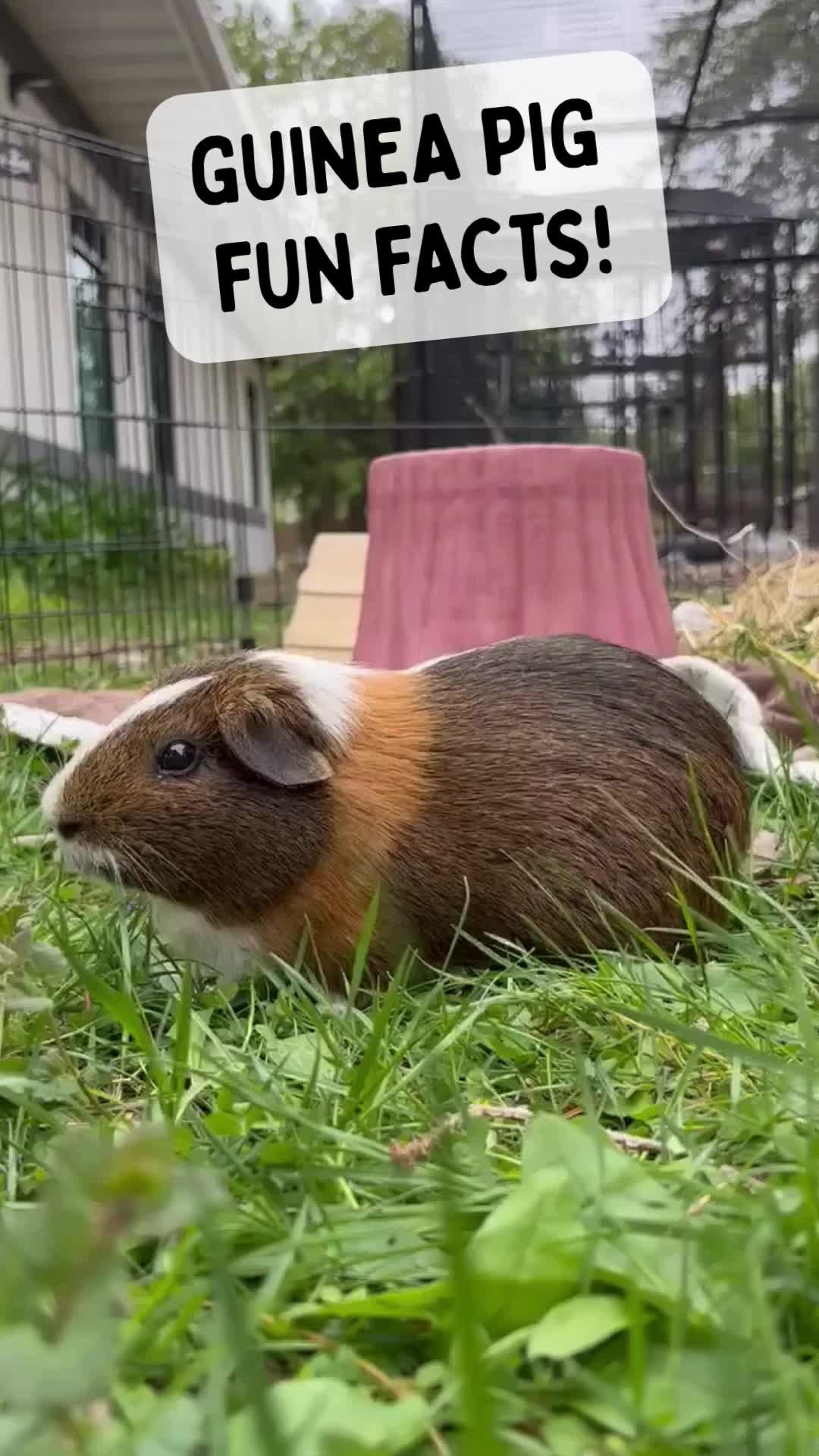
There is a vast diversity in guinea pig breeds, each with unique features. The American guinea pig, characterized by its short, smooth coat, is among the most popular. The Abyssinian, with its distinctive rosettes, presents a textured appearance that fascinates many enthusiasts. Then there’s the Peruvian, known for its long, flowing hair that requires regular grooming. Each breed has specific care requirements, but fundamentally, all guinea pigs require attention and affection to thrive.
Nutrition plays a vital role in the health and longevity of guinea pigs. Unlike most mammals, they cannot synthesize Vitamin C, making it essential for their diet. A lack of Vitamin C can lead to scurvy, a disease that affects their joints and opens them to infections. High-quality hay, fresh vegetables, and specialized pellets form the backbone of a healthy diet, providing the necessary nutrients and fiber essential for digestive health. Attention to dietary needs is crucial in preventing common health issues and promoting a long, healthy life.
The lifespan of a guinea pig typically ranges from five to seven years, with some individuals reaching up to a decade with optimal care. Regular veterinary check-ups are important to monitor their health, as these animals are prone to respiratory infections, dental problems, and gastrointestinal issues. Proper habitat management, such as maintaining a clean and spacious environment, minimizes stress and reduces the risk of illness.
Conservation efforts highlight the importance of guinea pigs beyond domestic settings. Wild guinea pig populations face threats from habitat loss and hunting in their native regions. Conservationists aim to protect these habitats and raise awareness of the ecological role guinea pigs play. Efforts include habitat restoration and environmental education to foster coexistence with local communities, emphasizing guinea pigs’ contribution to biodiversity.
In conclusion, guinea pigs offer fascinating insights into the world of companion animals. From their social dynamics and breed diversity to their specific dietary and health needs, understanding these elements enriches our interactions with them. Conservation initiatives further enhance their value, beyond aesthetics and companionship, by recognizing their ecological significance. Through education and responsible care, guinea pigs continue to be cherished members of both domestic households and their native ecosystems.
*****
Source Description
A few guinea pig fun facts!
