
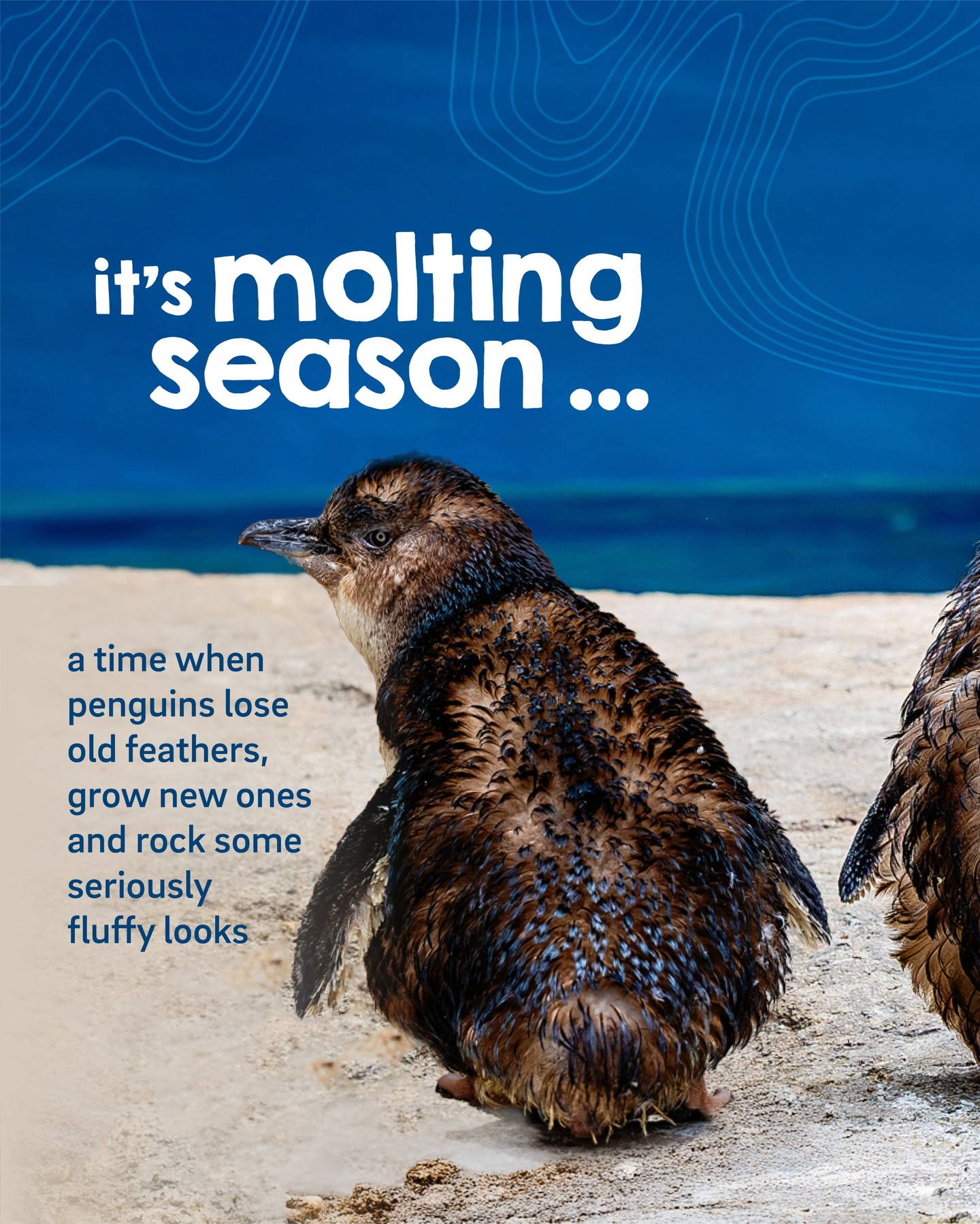
- The significance of molting in penguins and its physiological impacts
- Overview of Fat Bear Week and its connection to wildlife conservation
- The process of molting and how it differs across penguin species
- The role of public engagement in wildlife awareness through competitions like Molting MVP
- Conservation challenges facing penguins today and how they can be supported
Molting is a critical process for penguins, showcasing their adaptability and resilience in various habitats. This natural phenomenon involves shedding old feathers and growing new ones, which is essential for the bird’s insulation and waterproofing. During molting season, penguins undergo significant physiological changes that can influence their behavior, feeding habits, and social interactions. The process can vary in duration, often spanning several weeks, and impacts the penguin’s overall health. Understanding molting helps highlight the birds’ needs in captivity and the wild.
In the same sphere of wildlife interaction and observation, Fat Bear Week serves as an engaging event. Held annually, this initiative emphasizes the importance of celebrating wildlife within their ecosystems. While it chiefly focuses on brown bears bulking up for hibernation, the event highlights broader themes of conservation and ecological awareness. By engaging the public in a light-hearted competition, Fat Bear Week promotes education about the energy dynamics and habitats of various species.
Molting varies not only between species but also influences how they thrive in different environments. Penguins, for instance, replace their feathers in a systematic manner. While the process may seem trivial, it holds profound implications for their survival. The time taken to molt can affect a penguin’s ability to swim and forage efficiently. During this period, some penguins may refrain from diving, leaving them susceptible to weight loss or nutritional deficits if food sources are scarce. The molt is a clear illustration of the intricate balance penguins maintain in their ecosystems.
The contest known as the Molting MVP, inspired by the whimsical nature of Fat Bear Week, allows for deeper engagement with penguins. As observers document their transformations, the public can learn more about each species’ distinct molting behaviors and their ecological contexts. This interactive initiative fosters community involvement by inviting votes on which penguin should be celebrated for its molting achievement.
Through events like Molting MVP, participants become advocates for vital animal conservation efforts. Penguins face numerous threats ranging from habitat loss and pollution to climate change. Their survival depends on understanding these challenges and fostering connections between species and humans. By making learning fun and accessible, competitions can inspire the next generation of conservationists.
Every penguin species has a unique molting schedule and pattern. For example, Emperor penguins experience a complete feather loss every year, requiring strategic feeding and behavior adjustments. On the other hand, Adelie penguins may undergo a partial molt, allowing them to maintain some insulation while still keeping the majority of their feathers intact. Such variations contribute to our understanding of penguin adaptations and environmental interactions.
Molt begins with the renewal of primary feathers, the outermost layer that plays a significant role in aerodynamics and swimming ability. It is followed by the replacement of down feathers, which provide insulation against frigid oceanic temperatures. During this extensive process, penguins might appear disheveled, their feathers appearing ragged and unkempt. Such appearances are temporary and often draw endearment from observers who recognize the effort behind these transformations.
Given the energetic nature of molting, it is not unusual to see penguins engaging less in social behaviors or resting more during this time. The need for energy conservation drives changes in activity patterns, creating fluctuations in group dynamics. In a zoo context, zookeepers can monitor these patterns, ensuring that each penguin receives proper care tailored to its needs during molting.
Public involvement in events like Fat Bear Week and Molting MVP allows awareness-raising about various species’ life cycles and conservation challenges. Simple actions, such as voting for a favorite penguin, can galvanize interest in animal welfare and environmental preservation. This engagement becomes even more crucial in light of current climate pressures affecting animal habitats.
Penguins are facing increasing threats due to climate change, which impacts their food supply and breeding habitats. Sea ice melting changes the structure of their habitat and affects the availability of krill and fish, essential components of their diets. The conversations ignited during events celebrating penguins lead to essential discussions about habitat conservation and global ecological health.
Sterling conservation efforts are underway to combat declining penguin populations. These initiatives aim to restore habitats and provide safe environments for breeding and foraging. Educational programs are also integrated into these conservation strategies, highlighting the intricate relationships between penguins and their ecosystems.
Organizations committed to penguin conservation often incorporate social media campaigns and public outreach to connect with enthusiasts worldwide. Celebrating milestones, such as molting and breeding seasons, draws attention to the elegance of these species. Engaging content showcases the joy of witnessing these natural transformations, highlighting the importance of protecting their environments.
Moreover, programs focusing on rehabilitation allow for injured and abandoned penguins to be nursed back to health. These efforts not only give individual birds a second chance but also educate the public on the fragility of wildlife, promoting a proactive stance on conservation issues. Each rehabilitated penguin can serve as an ambassador, turning personal stories into broader messages of advocacy.
A collaborative approach to conservation can yield powerful results. Partnerships between zoos, wildlife organizations, and research institutions facilitate data sharing and innovative methodologies to improve penguin health and habitat protection strategies. The intricacies of penguin biology and behavior are increasingly documented, allowing for better care practices in zoos and the wild.
Conversations surrounding penguin molting provide insights into their ecological roles and the importance of maintaining biodiversity. Events such as Molting MVP serve as an accessible introduction to wildlife biology, inviting the public to explore the various aspects of animal life cycles and conservation needs.
As communities rally around initiatives to celebrate these transformations, richer connections between species emerge. Through fun and interactive platforms, organizations can foster a passion for wildlife stewardship. Each interaction around the Molting MVP event allows for significant discussions about conservation priorities and animal welfare.
Advocating for penguins does not stop at the close of an event like Molting MVP. Consistent action must follow, translating enthusiasm into tangible support for conservation programs. Potential supporters can contribute time, resources, or advocacy efforts to create a lasting impact on penguin populations.
As penguins embark on their molting journey, they reveal much more than their need for new feathers. Their annual transformations exemplify resilience in the face of environmental changes and challenges. By celebrating their glory and awkwardness, events like Fat Bear Week and Molting MVP promote an understanding of wildlife that goes beyond superficial admiration.
Awareness leads to advocacy. Engaging in the stories of penguins encourages a collective commitment to conservation. Communities come together, not only to celebrate the charming molting process but to recognize the pressing issues these birds encounter. In the end, every vote cast during the Molting MVP event becomes a statement of support for preservation efforts needed to ensure penguins thrive for generations to come.
*****
Source Description
Fat Bear Week walked so the Molting MVP could WADDLE 🐧
It’s molting season for our — a time when they lose old feathers, grow fresh new ones and rock some seriously fluffy looks. To celebrate this adorably awkward transformation, we’re kicking off the — a fun way to spotlight our penguins’ fabulous feather glow-ups.
Over the next few weeks, we’ll be sharing the best moments of our penguins from start to finish. You’ll be able to vote for your favorite molt in the comments, and at the end, one penguin will be crowned the ultimate Molting MVP!
Stay tuned and get ready for some gloriously goofy penguin glow-ups!
