
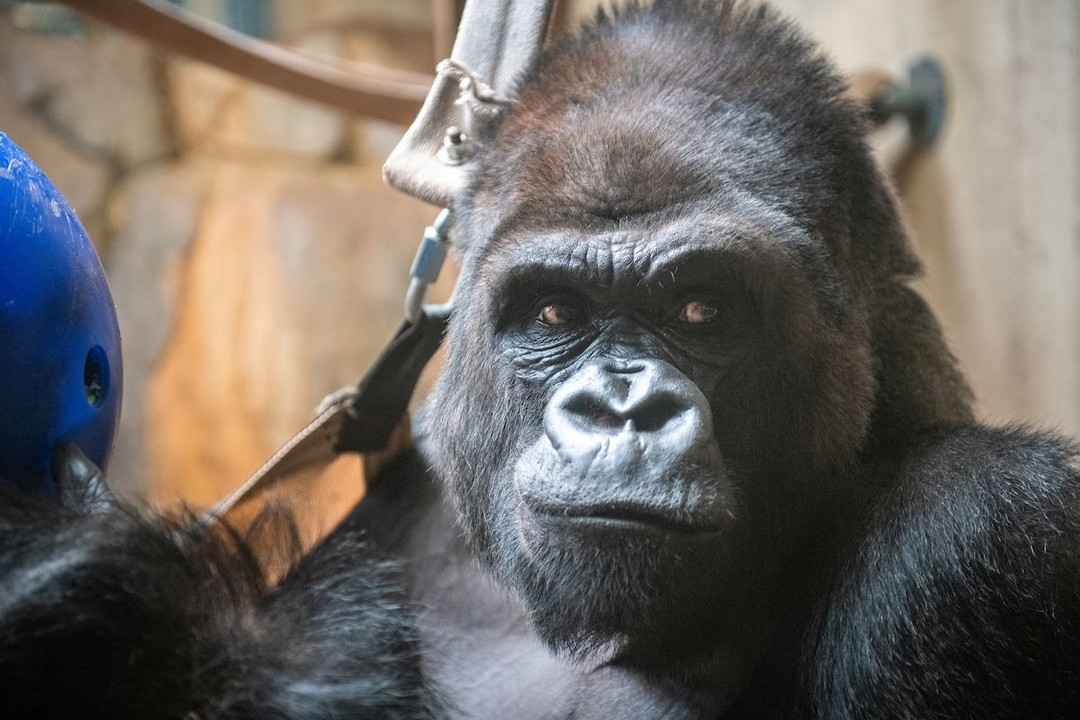
- Father’s Day at the Zoo: Overview and Importance
- Free Admission for Dads: An Initiative from Wayside Furniture
- Engaging Wildlife Conservation Education Activities
- Family Activities and Experiences Available at the Zoo
- The Role of Zoos in Biodiversity Preservation and Conservation
Father’s Day at the Zoo is an iconic event celebrated annually at the Cleveland Metroparks Zoo. This day is not just an opportunity for families to enjoy a day out; it also serves as a platform for raising awareness about wildlife conservation and the essential role zoos play in environmental stewardship.
Dads get into the Cleveland Metroparks Zoo FREE on Sunday, June 15, courtesy of Wayside Furniture. This gesture underscores the importance of family bonding while promoting a greater understanding of wildlife and conservation issues. In an age where understanding the environment is crucial, events like Father’s Day at the Zoo provide an engaging atmosphere that fosters both enjoyment and education.
Free Admission for Dads: An Initiative from Wayside Furniture presents a chance to enhance family connections while deepening their appreciation for the animal kingdom. Wayside Furniture’s sponsorship highlights a commitment to community engagement and family well-being. By providing complimentary entry, this initiative invites fathers and their families to explore the zoo without financial constraints, encouraging quality time spent in nature.
When fathers accompany their children to the zoo, they ideally create lasting memories. Observing animals in their habitats offers unique learning opportunities about biology, ecosystems, and the importance of wildlife. This experience may spark conversations about animal behavior, adaptation methods, and ecosystems, enriching the day spent together.
Engaging Wildlife Conservation Education Activities are integral to Father’s Day at the Zoo. Educational programs designed for all ages are particularly beneficial in providing context about the challenges facing wildlife today. For example, zookeepers often host presentations where they talk about the various species housed in the zoo, their nutritional needs, and habitat requirements. Such conversations are vital for dispelling myths about animals and for providing factual information about their status in the wild.
Interactive exhibits allow attendees to participate in activities that emphasize the importance of biodiversity. These may include opportunities to engage with animals, participate in feeding time, or attend guided tours that showcase conservation efforts. Learning initiatives are designed to promote empathy toward wildlife by fostering an understanding of the delicate balance of ecosystems.
Family Activities and Experiences Available at the Zoo are extensive and varied, ensuring there is something for everyone. Beyond simply viewing animals, families can participate in hands-on activities that encourage interaction. For instance, visiting the animal encounter areas allows visitors to meet trained animals and learn from knowledgeable staff. This direct connection can make wildlife conservation feel personal and relevant.
Art-themed activities and educational games make the day enjoyable and informative. Children can partake in scavenger hunts that encourage them to explore various exhibits, learning about animals while remaining actively engaged. Options like face painting and crafts connected to animal themes provide creative outlets for children and families.
The zoo also offers scheduled presentations and demonstrations that showcase animal behaviors and training techniques. Such experiences enrich the day while promoting respect for animal welfare. Understanding how zookeepers train animals through positive reinforcement can enhance visitors’ perspectives on wildlife care. It emphasizes the responsibilities held by zoos in safeguarding species and providing quality care.
The Role of Zoos in Biodiversity Preservation and Conservation is a critical topic that should not be overlooked during events like Father’s Day at the Zoo. Modern zoos fulfill essential missions beyond entertainment; they are significant players in biodiversity conservation efforts. This includes participating in breeding programs, habitat restoration, and species reintroduction.
For example, many species housed in modern zoos, from the California condor to the Arabian oryx, have been successfully brought back from the brink of extinction largely due to dedicated captive breeding programs. These efforts require extensive planning, genetic monitoring, and environmental analysis to ensure the long-term viability of populations.
Additionally, educational campaigns conducted by zoos provide vital information regarding environmental issues such as habitat loss, climate change, and poaching. Being informed about these challenges is crucial to understanding how individual actions can contribute to conservation efforts. Father’s Day at the Zoo serves as an opportunity for families to engage in dialogue about these topics, making them more aware of their impact on wildlife.
Zoo management aims to create educational landscaping that invites visitors to explore and learn. Strategic planning for exhibits ensures they mirror the natural habitats of the animals they house. Such thoughtful design offers more than aesthetic benefits; it serves to enlighten visitors on habitat importance and conservation challenges faced by wildlife populations.
Sustainable practices play a role as well in zoo management. Many zoos are implementing eco-friendly methods within their operations. This includes water conservation efforts, waste reduction initiatives, and renewable energy use. By emphasizing sustainability, zoos not only model responsible practices but also inspire visitors to consider how they can make changes in their own lives.
Father’s Day at the Zoo highlights the important intersection of family engagement and wildlife conservation. This event reminds us that enjoying time outdoors can simultaneously increase awareness and appreciation for the natural world. The free admission for fathers is both a celebration of paternal bonds and an invitation to learn about the significant roles zoos play.
Children attending with their fathers gain valuable insights that extend beyond that single visit. They learn to appreciate animals, understand the importance of conservation, and recognize that their actions can positively influence the environment. Such foundational lessons can influence behaviors that support long-term sustainability.
Lastly, the role of community support interacts harmoniously with the zoo’s mission. Local businesses, like Wayside Furniture, recognize the importance of connecting families with educational experiences. Their sponsorship for Father’s Day not only alleviates the financial strain of entry fees for families but also fosters community involvement.
Community-based support broadens the reach of educational programs and enhances resource availability for conservation projects. By highlighting partnerships between local businesses and institutions like the Cleveland Metroparks Zoo, the broader impact of conservation efforts becomes evident.
This Father’s Day at the Zoo is more than an opportunity for a day of family fun. It is a multidimensional experience that educates, inspires, and enlightens. Families participating in this annual event emerge with lasting memories, educational insights, and a deeper understanding of their role in conserving the incredible variety of life on Earth.
The commitment to these ideals is palpable when walking through the Cleveland Metroparks Zoo on Father’s Day, making it a perfect outing for families to celebrate their bond while appreciating wildlife conservation and its far-reaching benefits.
*****
Source Description
Father’s Day at the Zoo! Dads get into Cleveland Metroparks Zoo FREE on Sunday, June 15 for Father’s Day courtesy of @waysidefurniture. 🦍
