
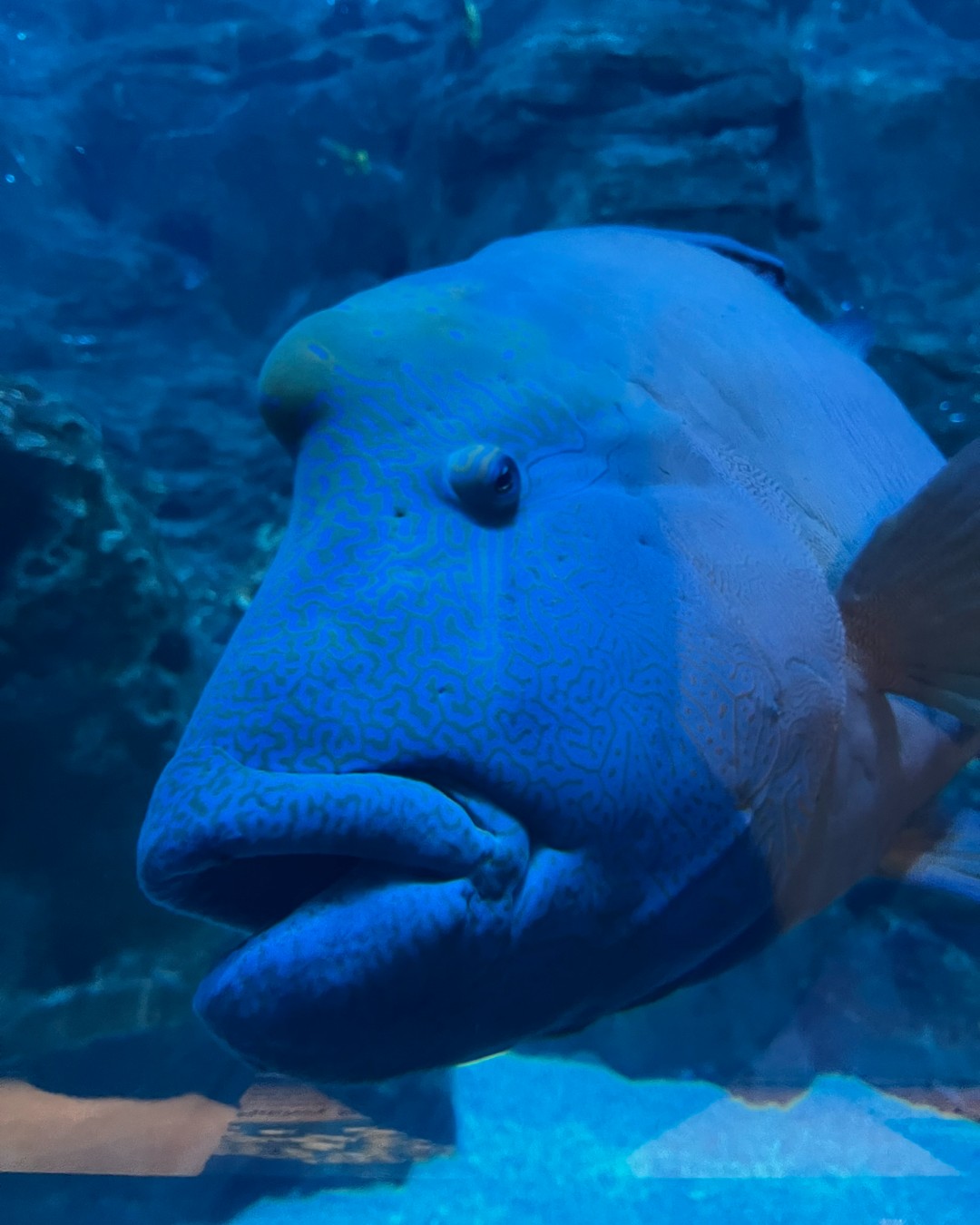
- Introduction to the humphead wrasse and its uniqueness within the wrasse family
- Understanding protogynous hermaphroditism and its implications for the species
- Habitat, diet, and behavioral traits of the humphead wrasse
- Conservation status and the impact of human activities on humphead wrasse populations
- Importance of education and awareness in seafood sustainability and marine conservation
The humphead wrasse, commonly known as the Napoleon fish, stands out as a remarkable specimen in the world of aquatics. As the largest member of the wrasse family, this fish exhibits several fascinating characteristics. One of its most striking features is its prominent forehead hump, which can vary in size and shape. This unique structure is most pronounced in adult males and serves as both a visual marker and a tool for attracting mates. The humphead wrasse serves as a critical component of marine ecosystems, particularly coral reefs, where it plays various roles in maintaining ecological balance.
One of the defining traits of the humphead wrasse is its reproductive strategy known as protogynous hermaphroditism. Although all humphead wrasses are born female, a significant portion undergoes a transformation to male around the age of nine. This biological phenomenon allows for greater reproductive flexibility within their populations. The presence of dominant males helps ensure breeding opportunities, leading to a more stable population. This fascinating aspect of their biology highlights the complexity of marine life and the adaptability of species in response to environmental conditions and social structures.
The habitat of the humphead wrasse extends across the Indo-Pacific region, favoring shallow coral reefs. These vibrant ecosystems provide both shelter and abundant food sources, such as crustaceans, mollusks, and other small marine animals. Their diet plays a crucial role in the health of coral reefs. By consuming certain prey species, the humphead wrasse helps control the population of herbivorous fish, which in turn influences coral growth. This dynamic relationship underscores the intricate connections between various species in marine environments and the vital role that apex herbivores play in stabilizing these ecosystems.
Behaviorally, humphead wrasses are known for their intelligence and complex social structures. They are often seen interacting in groups, which can include both males and females. Mating rituals often involve a series of colorful displays. These interactions provide a glimpse into the social lives of these fishes and demonstrate their cognitive abilities. Social structure can also include hierarchies within groups, making it essential for researchers to study these patterns to better understand their dynamics and conservation needs.
Despite their resilience, humphead wrasses face significant threats from human activities. Overfishing is a major concern, as these fish are often sought after for both aquarium trade and as a delicacy in some cultures. Additionally, habitat destruction resulting from coastal developments and climate change puts immense pressure on their populations. Coral bleaching, linked to rising sea temperatures, poses a significant threat to their food sources and breeding grounds. Policymakers and conservationists are actively working to address these issues by promoting sustainable fishing practices and protecting essential habitats.
Awareness and education play critical roles in marine conservation. Many organizations focus on informing the public about the importance of species like the humphead wrasse and the ecosystems they inhabit. Raising awareness can foster greater public support for conservation initiatives and encourage responsible seafood consumption. Sustainable practices, such as choosing fish from certified sources and supporting eco-friendly tourism, contribute to the protection of marine environments.
The humphead wrasse, a captivating species within the aquarium community, serves not only as an attraction for visitors but as an ambassador for ocean conservation. Its unique biological traits and ecological importance exemplify the interconnectedness of marine life and the pressing need for stewardship. Finding ways to protect this species contributes to healthier oceans and a more sustainable future. Ongoing research and collaborative efforts among communities, scientists, and policymakers can pave the way for a balanced coexistence between humans and marine environments.
By valuing species like the humphead wrasse, we can promote a greater understanding of the profound complexities of marine life and inspire future generations to engage in conservation efforts actively.
*****
Source Description
“Hey Aquarium social media manager, do you have a favorite fish?”
Well I’m so glad you asked! My favorite fish at the Aquarium is our humphead wrasse, or Napoleon fish! It’s the largest in the wrasse family and known for its distinctive forehead hump.
One of the coolest things about humphead wrasses is that they’re all born female—then, around age nine, some transition to male and stay that way for life. This incredible ability is called protogynous hermaphroditism!
