
- Adaptability and Habitat Range of Leopards: Understanding the diverse environments leopards inhabit and the factors contributing to their widespread distribution.
- Challenges Faced by Leopards: Examining the threats such as habitat loss, human-wildlife conflict, and poaching that are impacting leopard populations globally.
- Importance of Conservation Efforts: Highlighting the role of zoos and conservation programs in protecting leopards through breeding, education, and field conservation support.
- Role of Public Awareness and Education: Exploring how educating the public and fostering greater awareness can contribute to leopard conservation efforts.
- Celebrating and Supporting Leopard Conservation: Encouraging active participation in conservation initiatives and celebrating efforts such as International Leopard Day.
Leopards are one of the most adaptable big cats, thriving in a wide array of environments. From dense tropical rainforests to arid desert landscapes, leopards navigate diverse ecosystems with ease. Their adaptability is due to their solitary and elusive nature, allowing them to adjust their diet according to available resources. Leopards are found across Africa, parts of Asia, and the Middle East. This widespread distribution is a testament to their ability to thrive in varied habitats, yet it also highlights the importance of understanding these environments to safeguard their future.
Despite their adaptability, leopards are facing significant threats that jeopardize their survival. Habitat loss, driven by urban development and agricultural expansion, has fragmented their living spaces. Human-wildlife conflict further aggravates the situation, as leopards often prey on livestock, bringing them into direct conflict with farmers. Poaching, fueled by demand for their distinctive pelts and body parts, adds to their plight. These challenges have resulted in declining leopard populations across much of their range, emphasizing the urgent need for effective conservation strategies.
Conservation efforts are vital to the survival of leopards, and zoos play a critical role in these initiatives. Through breeding programs, zoos help maintain genetic diversity and support populations that can potentially be reintroduced into the wild. Public education forms another cornerstone of their conservation mission. By raising awareness about the challenges leopards face and the importance of preserving their habitats, zoos inspire action and support for broader conservation efforts. Additionally, many zoos contribute to field conservation projects, providing funding and expertise to initiatives in leopard habitats across the globe.
Educating the public about leopards and their conservation is an essential strategy in garnering support for these magnificent cats. By informing people about the ecological roles leopards play, such as controlling prey populations and maintaining healthy ecosystems, we emphasize their value beyond aesthetic appeal. Education fosters a connection between humans and wildlife, motivating people to advocate for policies and practices that protect leopards and their environments. Public awareness campaigns, school programs, and community outreach initiatives are effective tools in spreading this crucial knowledge.
The celebration of days such as International Leopard Day provides a platform to highlight the conservation efforts of these remarkable cats. Such occasions invite individuals and organizations to reflect on the importance of preserving biodiversity and consider how they can contribute to conservation missions. Whether it’s through volunteering, supporting ecological initiatives, or simply learning more about leopards and their habitats, every action counts. By celebrating and supporting conservation, we contribute to a future where leopards and their habitats can thrive.
Every visit to a zoo or involvement in conservation programs helps secure a future for leopards. By appreciating the work done by zoos and conservationists, and integrating this appreciation into everyday actions, society can collectively champion the cause of leopards, ensuring that they remain an iconic symbol of wildlife across continents. Through continued support and awareness, we can hope to see leopards continue their legacy as one of nature’s most adaptable and fascinating creatures.
*****
Source Description
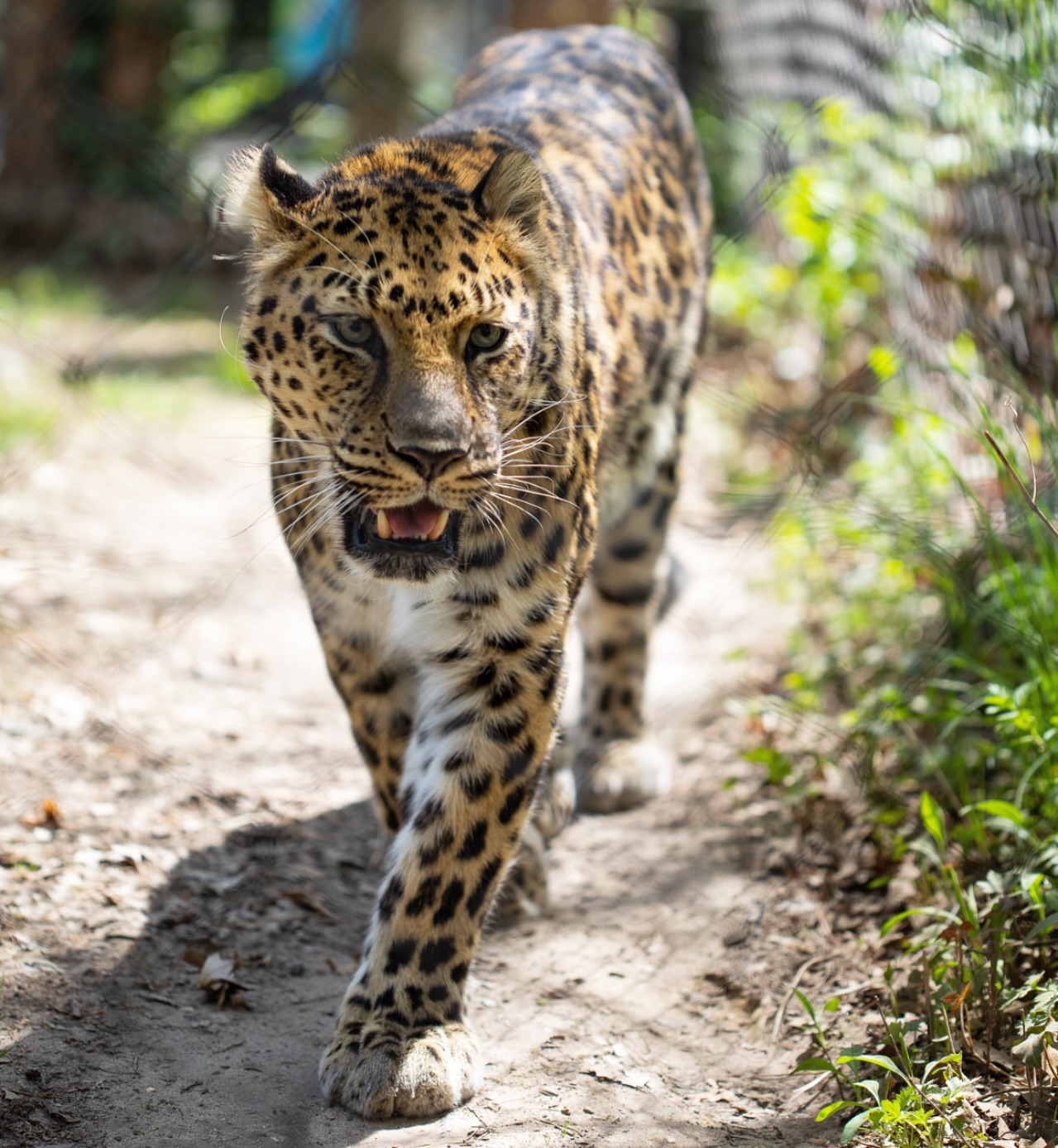
We just featured Liski in our last post, but how could we resist posting Kolya on such a special Caturday—International Leopard Day!
Leopards are incredibly adaptable big cats, found in habitats ranging from rainforests to deserts. But despite their adaptability, they’re facing serious threats—habitat loss, human-wildlife conflict, and poaching have caused leopard populations to decline across much of their range.
That’s why conservation matters. Zoos like ours play a key role in protecting leopards through breeding programs, public education, and support for field conservation. Every time you visit, you’re helping us ensure a future for amazing animals like Kolya.
Let’s celebrate leopards today—and every day—by working together to protect their wild cousins 🐆
