
- The biology and behavior of giant Pacific octopuses
- Feeding behaviors and dietary preferences
- The significance of human-octopus interactions
- Conservation efforts for octopuses and their habitats
- Insights from a live feeding session with Sam, the giant Pacific octopus
The giant Pacific octopus, scientifically recognized as Enteroctopus dofleini, is one of the most fascinating marine animals. Among the largest of the octopus species, it can weigh up to 110 pounds and stretch across 14 feet in length. Found along the coastlines of the North Pacific, particularly near Alaska and Japan, this octopus exhibits exceptional intelligence and adaptability. Understanding its biology and behavior can shed light on its role in marine ecosystems.
One striking aspect of the giant Pacific octopus is its exceptional physical features. Equipped with three hearts—two pump blood to the gills while the third circulates it to the rest of the body—this octopus has an efficient circulatory system. The blood contains hemocyanin, which gives it a blue color, unlike the iron-containing hemoglobin found in vertebrates. Additionally, the giant Pacific octopus possesses a high number of neurons in its arms—approximately 300 million—which allows for remarkable dexterity. These arms can operate independently, enabling the octopus to explore its environment with unmatched efficiency.
The behavior of a giant Pacific octopus is equally fascinating. They are solitary creatures, spending most of their lives hidden in dens, often made from discarded shells and rocks. Their hunting style is primarily nocturnal, where they use their excellent camouflage to ambush prey. Once within reach, their powerful arms grasp the target, while their beak-like mouths inject venom to subdue it. Studies show that these octopuses are capable of problem-solving and learning from experience, which is indicative of their high cognitive abilities.
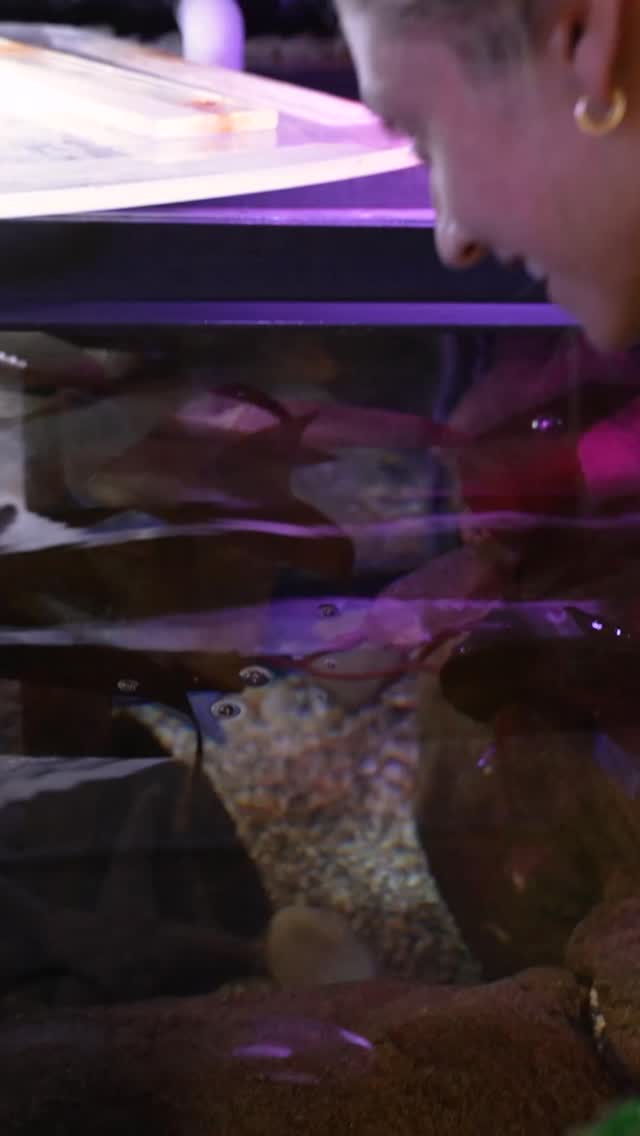
Feeding sessions with a giant Pacific octopus, like Sam, can be a captivating experience for both human observers and the octopus. These animals are carnivorous, primarily consuming crabs, clams, shrimp, and fish. During a feeding session, it is essential to understand what attracts the attention of these creatures. The use of appealing food items—such as live shrimp or fish—can entice the octopus to interact more actively. The feeding process is not only about satisfying hunger; it also provides environmental enrichment for the octopus, stimulating its senses and encouraging natural behaviors.
Octopuses, including Sam, often exhibit different feeding strategies based on the type of prey. When they encounter soft-bodied animals like clams, they employ a technique of drilling into their shells using a specialized beak. For more mobile prey like crabs, the octopus may display a stealthy approach, utilizing its color-changing abilities to blend into the surroundings and ambush its target. By observing these feeding habits, one can gain insights into the ecological dynamics of the marine environment.
Engaging with an octopus, particularly during feeding, can foster a deeper appreciation for marine life. Interactions like these highlight the octopus’s intelligence, curiosity, and complexity. Observers often notice how Sam explores his environment, manipulating objects in his tank, and showcasing problem-solving abilities. This active engagement promotes awareness about the challenges octopuses face in the wild and emphasizes the need for sustainable practices.
Conservation plays a crucial role in preserving giant Pacific octopuses and their habitats. As apex predators, they play an essential part in maintaining the balance of marine ecosystems. However, habitat destruction, climate change, and pollution threaten their populations. Awareness and advocacy can foster positive action toward marine conservation. Educational programs that involve live interactions with species like Sam can serve as a powerful medium to inspire the next generation of environmental stewards.
Efforts towards conservation include sustainable fishing practices that not only protect octopus populations but also maintain the health of the entire marine habitat. Organizations are actively working to create marine protected areas, providing safe havens for various species, including octopuses. Public awareness campaigns can promote responsible consumer behavior, directing choices toward sustainable seafood options.
In addition to conservation efforts, enhanced understanding of octopus biology and behavior can lead to better management practices in aquariums and marine facilities. Collecting data during live feeding sessions enriches both the academic community and the general public arena. Such experiences can impact zoo management strategies, allowing facilities to replicate natural environments for octopuses. These insights contribute to the enrichment of zoo habitats, promoting healthy behaviors in captive octopuses.
In live settings, interactions during feeding sessions serve as a unique educational opportunity. Attendees can observe Sam as he adapts his behavior based on the environment. Observing his curiosity may prompt questions about his diet, habitat, and the ecological roles he plays. Audience engagement often leads to discussions on broader marine issues, such as overfishing and habitat degradation, effectively bridging knowledge gaps while inspiring involvement in marine conservation efforts.
As one watches Sam during a feeding session, one gains insights into the complex interplay of predator and prey. This dynamic can serve as a metaphor for the larger issues facing marine ecosystems today. The intricate behaviors of the giant Pacific octopus exemplify the interconnectedness of various marine life forms and the significance of protecting natural habitats. With ongoing research, more discoveries will unveil how these incredible creatures adapt to changing environments. Engaging with powerful narratives about octopuses fosters excitement and curiosity, encouraging passionate voices for conservation.
Feeding sessions that involve direct interaction foster respect and understanding for octopuses and their habitats. By creating meaningful connections between humans and marine life, educational programs can encourage individuals to engage with preservation initiatives actively. Sam’s feeding habits not only provide entertainment but also play a pivotal role in raising awareness on pressing environmental issues.
These educational experiences deliver invaluable insights that extend beyond the aquarium walls. They inspire dialogues among communities, leading to grassroots efforts to protect the oceans. Everyone has a stake in ensuring that marine species like the giant Pacific octopus continue to thrive in their natural habitats.
Ultimately, the story of Sam, the giant Pacific octopus, serves as a vital reminder of the beauty and complexity of the ocean. By investing in education and conservation, individuals can make significant contributions to safeguarding the future of this remarkable species. Sam is not just a remarkable creature to observe; he is an ambassador for the oceans, urging us all to act in their defense. Understanding Sam’s world invites deeper questions about our relationship with marine ecosystems and our responsibilities in preserving them for future generations.
*****
Source Description
Hang out with Sam, the giant pacific octopus during a feeding session! 🐙
