
- Importance of Naming Animals in Conservation and Education
- Details on the Baby Zebras: Characteristics and Fun Facts
- The Impact of Public Involvement in Zoo Activities
- A Glimpse into Zebra Care and Management
- Fundraising and Its Role in Animal Welfare
Naming animals in a zoo context plays a crucial role in education and conservation efforts. When visitors connect with zoo animals, they can better appreciate the importance of wildlife preservation. Names foster familiarity, making the species more relatable and engaging for the public. This initiative empowers the community, allowing them to feel involved in animal welfare and conservation. Through naming contests, zoos often generate excitement and interest in wildlife, encouraging people of all ages to learn more.
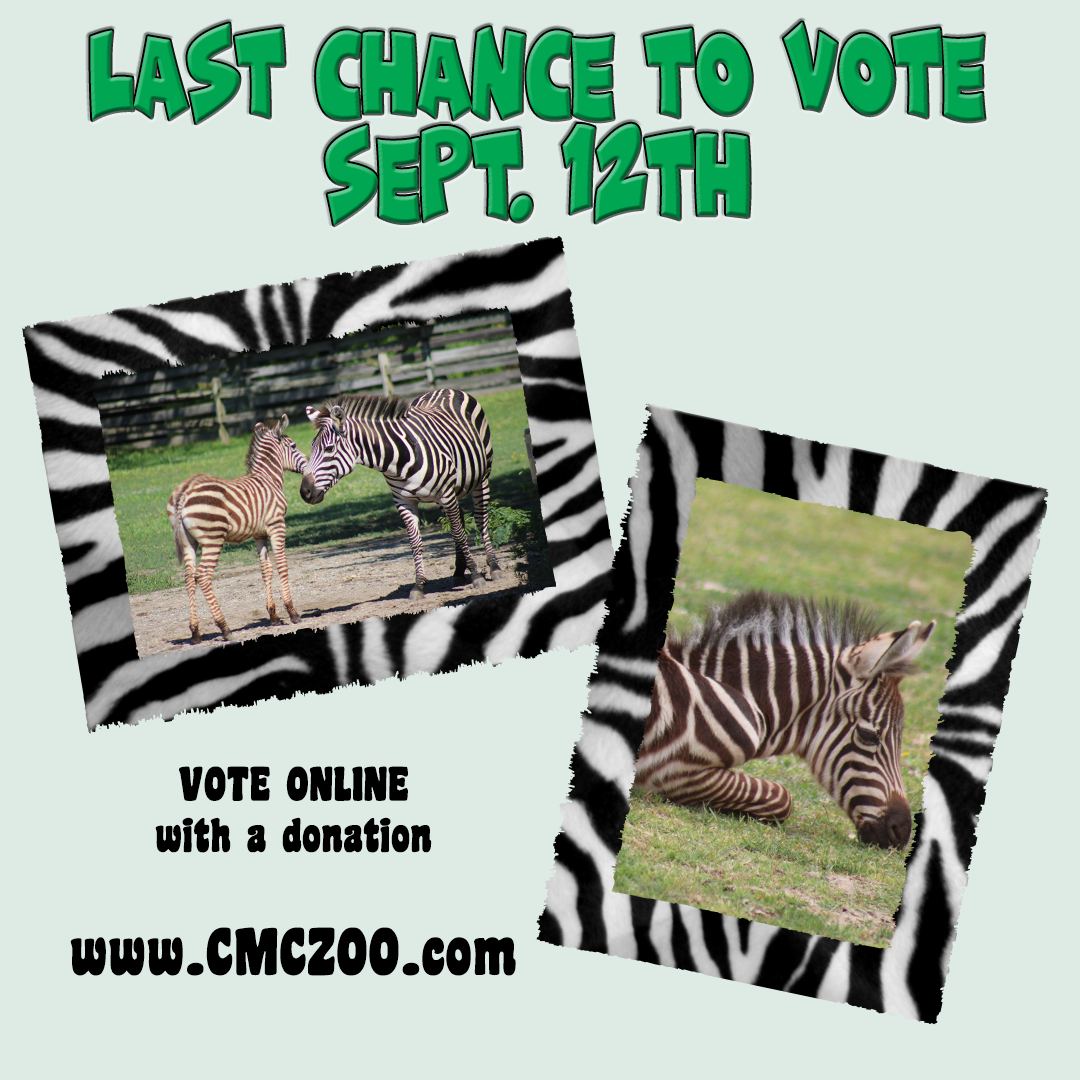
This summer, the zoo welcomed two adorable zebra foals, a male born on May 21 and a female born on June 12. These spirited young zebras provide an excellent opportunity to educate visitors. Zebras are known for their distinctive black and white stripes. Each zebra’s pattern is as unique as a fingerprint, which helps researchers identify individual animals in the wild. These striking markings serve multiple purposes, including camouflage from predators and social functions within zebra herds.
The male zebra, full of energy and curiosity, exhibits typical foal behavior. Foals spend their early months learning to run and socialize within their family group. They stay close to their mothers for nourishment and security as they grow. On the other hand, the female zebra shows a gentle demeanor, often playing softly with her brother, further illustrating the bonds formed within zebra family structures.
Public involvement is vital for activities like naming these zebras. This engagement not only promotes an emotional connection but also highlights the importance of conservation in a meaningful way. Each vote cast for the names represents a unified voice advocating for wildlife and the preservation of natural habitats. When people participate in naming the foals, they become stakeholders in their care, leading to increased awareness about the challenges facing wild zebras in their native environments.
The options for names—Maverick & Gwen, Marvel & Gemma, and Cooper & Kelce—offer a diverse array of choices. Selecting a name can be a fun yet impactful experience. Each option carries its own connotation and resonates differently with individuals based on personal experiences and connections. This process enhances the overall zoo experience and connects visitors to the significance of conservation.
Beyond the excitement of naming, caring for zebras is a comprehensive process that requires in-depth knowledge of animal behavior, nutrition, and habitat management. Zebras are social animals that thrive in herds, and their care mirrors these social dynamics. Experienced staff monitor their well-being closely, ensuring the young foals receive adequate nutrition and mental stimulation. A proper diet rich in grasses and supplements provides essential nutrients.
Animal care involves more than feeding. It includes environmental enrichment that stimulates natural behaviors. Zoos may create space with various textures and structures, allowing zebras to explore and interact. Such activities promote physical health and mental engagement, vital for both foal development and overall herd dynamics.
Incorporating public events like naming contests generates essential revenue for zoological institutions. The funds raised through voting donations are designated for animal care, including feeding, habitat maintenance, and veterinary support. A significant portion of a zoo’s budget is allocated to ensuring the well-being of all its inhabitants. This financial support is crucial, especially for exotic and endangered species, reinforcing the symbiotic relationship between zoo management and public participation.
Community-centered initiatives expand beyond just naming animals. They raise awareness about global conservation challenges that affect zebras and other wildlife. Public understanding of habitat loss, poaching, and the impact of climate change becomes increasingly vital in today’s world. Educational programs and events at zoos often delve into these topics, providing a platform for fans of wildlife to learn, engage, and contribute to the ongoing stewardship of our planet’s biodiversity.
Zebras inhabit various ecosystems across Africa, from savannas to grasslands. Unfortunately, they face significant pressures due to habitat destruction, hunting, and competition from domestic livestock. By supporting naming initiatives and participating in zoo activities, individuals contribute to a broader movement that champions the preservation of zebra habitats and the education of future generations about the challenges facing these unique animals.
Animal names may seem whimsical, yet they embody a more profound symbol of care and protection. The emotional connection that arises from such interactions builds a foundation for conversations about wildlife conservation. This connection cultivates a sense of responsibility within the community, urging individuals to advocate for laws that protect habitats or support organizations dedicated to wildlife conservation.
As the deadline for voting approaches, the urgency increases to help name these charming zebra foals. Participating by voting online or at the zoo entrance ensures every voice counts. Each vote symbolizes a commitment to wildlife conservation, a pledge to protect these remarkable creatures, and a reminder of our shared responsibility to care for the planet.
Engaging in these activities brings people together, fostering a sense of community and shared purpose. Through efforts like naming the zebra foals, individuals can actively partake in the fight to save endangered species. This participatory model creates a ripple effect, inspiring others to become aware and involved in their local wildlife and environmental initiatives.
Zoos serve as a sanctuary for education, offering vital resources and interactive experiences for the public to learn about diverse wildlife. The chance to name zebras embodies this mission, highlighting the crucial relationship between conservation and community involvement. Personal connections to animals foster a different kind of empathy, making the concepts of conservation and stewardship more tangible.
By participating in the naming contest, visitors are making a pledge to support animal care and conservation efforts. Funds raised by voting donations help enhance the lives of residents at the zoo, ensuring they receive the utmost care and attention needed for healthy development. Each contribution echoes a commitment not just to the zebras but to all the animals that call the zoo their home.
The social dynamics of zebras in the wild are also noteworthy. Zebras maintain a strong social structure, marked by familial bonds. The experience gained from caring for these foals within a zoo provides invaluable insights into their natural behaviors. Interaction among zebras is filled with communication, whether through vocalizations or body language, which enhances their social learning.
As people engage with the zoo environment, they gain a deeper understanding of the complexity of animal relationships. Such experiences catalyze compassion and interest in wildlife, encouraging people to become advocates for broader conservation initiatives. This engagement serves to support not only learning but also action, demonstrating how simple programs can build a more informed, compassionate community.
With the voting deadline fast approaching, this initiative highlights the importance of community involvement in animal welfare. The bond formed through naming activities enriches the experience while solidifying a collective responsibility towards wildlife conservation. Each vote represents more than just a name; it signifies a commitment to the care and protection of one of nature’s most beautiful animals.
Through thoughtful engagement and education, zoos facilitate conversations about the importance of biodiversity and environmental security. These programs help create informed citizens who share a vision for the protection of wildlife, advocating for sustainable practices and conservation methods. By participating, individuals contribute to a larger campaign that seeks to protect species and their habitats across the globe.
In summary, the naming of our two adorable zebra foals isn’t merely a fun activity; it is an essential piece of the larger picture involving animal care, conservation education, and public engagement. With every vote, the community solidifies its commitment to the care of these remarkable animals while paving the way for future conservation efforts. Voting ends Friday—let’s make sure to give these foals names that reflect the love and connection they inspire in us all!
*****
Source Description
LAST CHANCE: Voting ends Friday!
🐾 Help Us Name Our Baby Zebras! 🦓
We’ve welcomed TWO adorable zebra foals this summer — a spunky male, born May 21, and a sweet female, born June 12. Now it’s time for YOU to help name them!
The name pair choices are:
✨ Maverick & Gwen
✨ Marvel & Gemma
✨ Cooper & Kelce
📍 Vote online or at our zoo entrance — every vote counts!
💖 All vote donations go directly toward the care and feeding of our animals.
Let’s give these little stripes their names — and show them some love while we’re at it! 🖤🤍
