
- Fiona’s dietary preferences and nutritional needs
- The role of zookeepers in animal care and well-being
- Conservation efforts and the significance of maintaining animal habitats
- Understanding the psychological and physical needs of Fiona
- The impact of social media on wildlife awareness and education
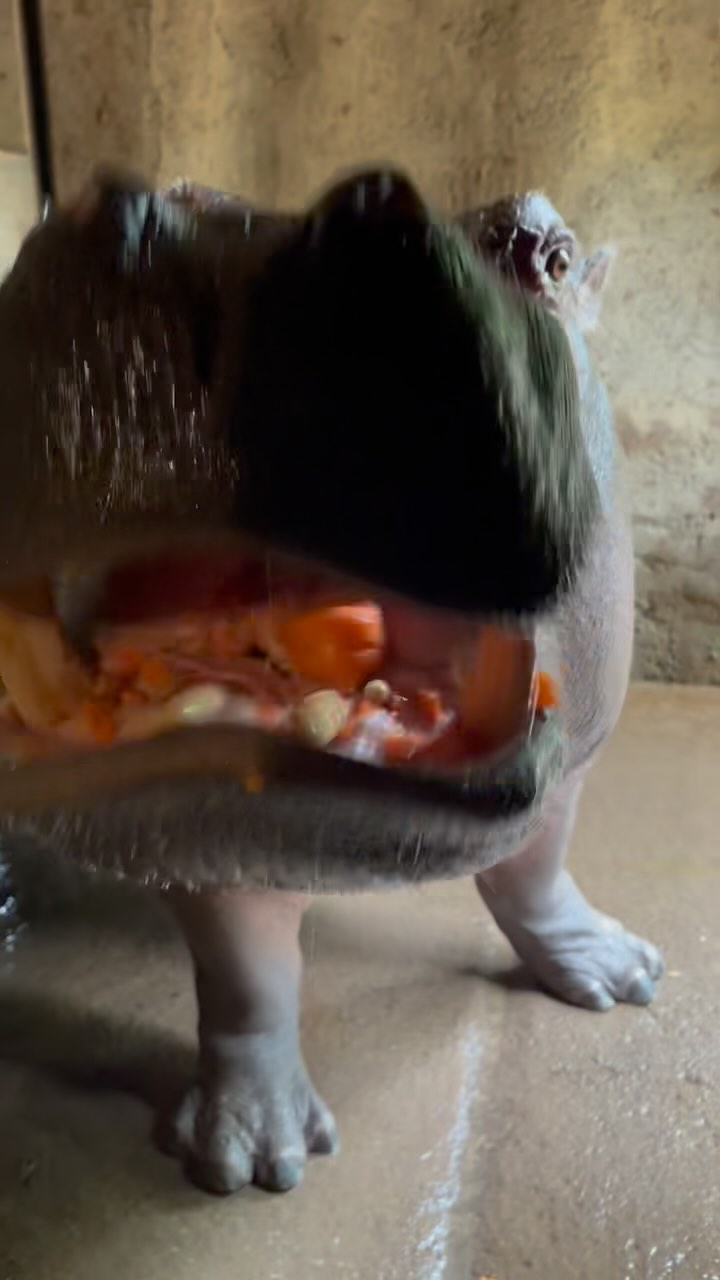
Fiona, the beloved hippopotamus, enjoys a snack of lettuce and melon before her ventures outside. This delightful scene reflects her dietary preferences and underscores the care she receives from dedicated zookeepers. Understanding these aspects is essential for both animal welfare and conservation education.
The hippopotamus, often perceived as a massive and formidable animal, has specific dietary needs that must be met to maintain its health. Fiona’s preference for lettuce and melon is not only a personal choice but also a part of a well-maintained diet plan designed to provide her with essential nutrients. Lettuce, rich in water and fiber, aids in digestion and hydration, crucial for an animal that spends significant time in the water. Melons, on the other hand, offer vitamins and sugars, providing both energy and taste satisfaction.
Zookeepers play a vital role in catering to these dietary needs, constantly monitoring Fiona’s health and well-being. This requires an understanding of her behavioral patterns and health indicators. Zookeepers develop a bond with animals like Fiona, allowing them to detect subtle changes in appetite or demeanor that might indicate health issues. Their work involves not only feeding but also creating an environment that mirrors the animal’s natural habitat as closely as possible, which includes managing her dietary needs in captivity.
Conservation efforts are an integral part of zoo management, where the focus extends beyond individual care to species preservation. The situation for hippos in the wild is precarious, with habitat destruction and poaching posing serious threats. Zoos serve as critical centers for conservation, providing safe environments for endangered species and engaging in breeding programs to support population stability. Fiona’s presence raises awareness about such issues, educating the public on the need for habitat conservation and the protection of wildlife.
A crucial component of Fiona’s care involves understanding her psychological and physical needs. Hippos are social animals that require interaction with their kind. Zookeepers facilitate this by managing group dynamics and ensuring that social structures are respected. Enrichment activities are designed to stimulate Fiona mentally and physically, like creating challenges or providing new stimuli. These activities help prevent boredom and encourage natural behaviors, contributing to her overall well-being.
Social media plays an influential role in contemporary conservation education. Platforms like Instagram offer a window into Fiona’s life, engaging a global audience with her charming antics. This visibility fosters a connection between the public and wildlife, increasing awareness about conservation issues. By sharing content about Fiona, zoos and conservationists can inspire interest and support for wildlife preservation efforts.
In conclusion, the story of Fiona stopping for a snack is more than a charming anecdote. It highlights essential aspects of dietary planning, zookeeper responsibilities, conservation challenges, and the use of social media as an educational tool. Through understanding and supporting these elements, we can contribute to the preservation of our planet’s wildlife and ensure a future where animals like Fiona continue to thrive.
*****
Source Description
Keeper POV: Fiona stops for a snack before heading outside! 🥬 Fiona’s current favorite foods are lettuce and melon.
