
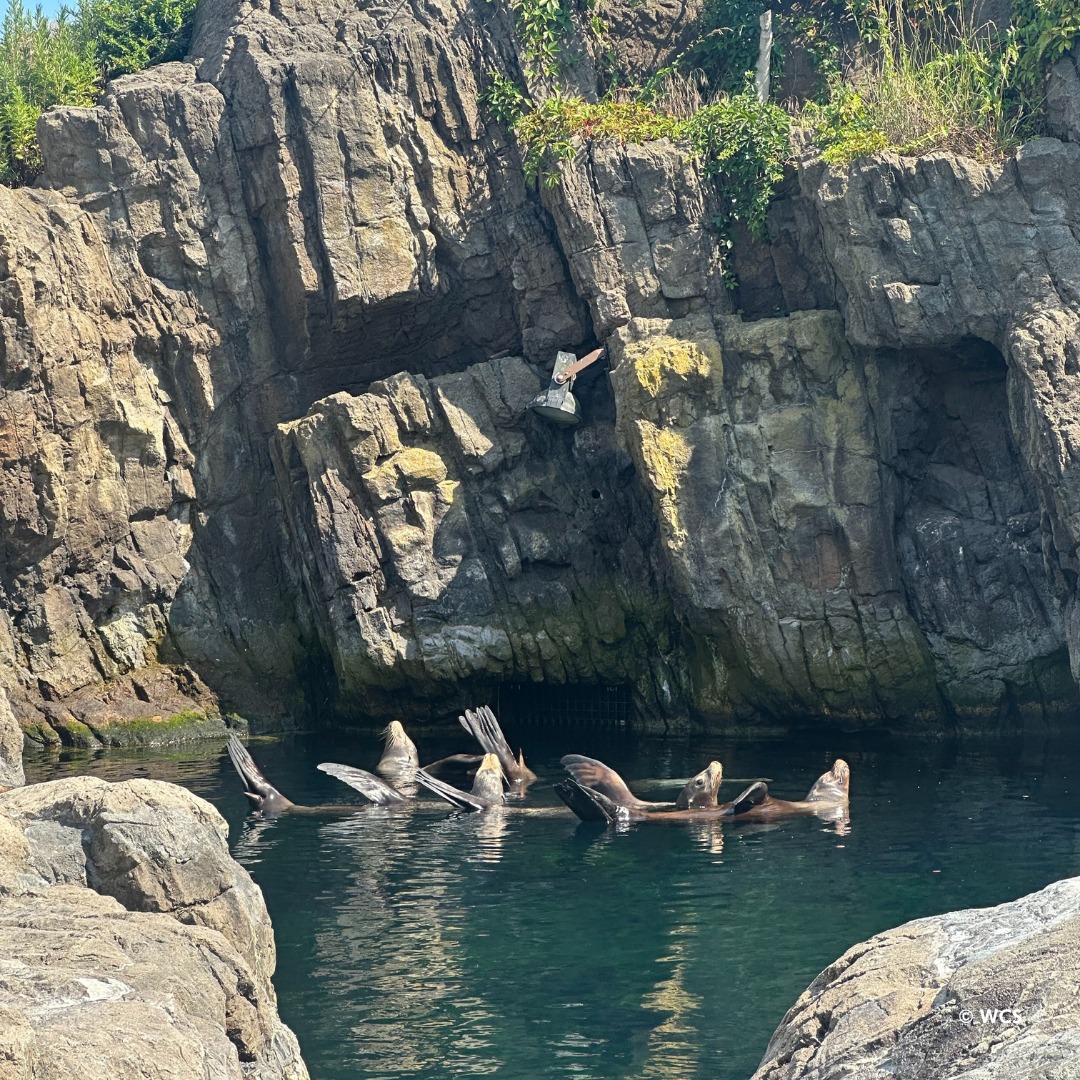
- The physiological benefits of the jugging behavior in California sea lions.
- Understanding the social structure and terminology associated with sea lions.
- The impact of climate on the behavior of marine mammals like sea lions.
- Conservation efforts for California sea lions and their ecosystems.
- Visit opportunities and wildlife observations at Sea Cliffs.
California sea lions have fascinated both scientists and visitors alike. These marine mammals exhibit various behaviors that capture the interest of observers. One intriguing behavior that has surfaced is called jugging. During the recent heatwave, our female California sea lions at Sea Cliffs displayed this unique posture, where they raise their flippers above the water’s surface. This behavior serves a critical temperature regulation function. By extending their flippers, the sea lions can effectively cool down or warm up, depending on their needs. The blood vessels in their flippers act like built-in air conditioning or heating systems. This physiological adaptation is key to their survival in fluctuating temperatures.
Jugging is not just a random act. It’s a strategic response to environmental challenges. The California sea lion’s anatomy allows them to manage heat much more effectively than other marine mammals. By exhibiting this behavior, they can lower their body temperature during hot days or conserve warmth in cooler waters. This behavior emphasizes how well-adapted sea lions are to their habitats.
Another fascinating aspect of California sea lions is their social behavior. Specifically, when a group of these animals gathers together in the water, it is referred to as a “raft.” This term reflects the close social dynamics and interaction patterns that characterize sea lion groups. Rafts usually consist of both male and female sea lions, indicating a complex social structure. Their interactions include playing, grooming, and communicating, which play a significant role in their social bonds and community structure. Observing a raft of sea lions can be an educational experience, as one witnesses their intricate behaviors and social engagement.
The behaviors of sea lions are deeply influenced by environmental conditions. The recent heatwave that prompted the jugging behavior in these California sea lions illustrates how climate factors can affect wildlife. Marine mammals, while adapted to their environments, are susceptible to temperature changes, which can impact feeding, breeding, and socialization. Increased water temperatures due to climate change can challenge their natural behavior patterns, making it crucial to understand their responses to such changes. Monitoring their behavior during extreme weather events can provide valuable insights into how they cope and adapt.
Conservation efforts are paramount for maintaining healthy populations of California sea lions and the ecosystems they inhabit. Various organizations focus on protecting their habitats, addressing pollution, and ensuring sustainable fishing practices. Climate change poses significant threats by altering marine ecosystems and prey availability. Protection measures that focus on both the sea lions and their habitats are vital for their future.
Aquatic habitats are sensitive environments that fuel the biodiversity of coastal regions. The networks of conservation help maintain a balanced ecosystem, which is critical for the survival of many marine species, including California sea lions. Awareness and educational programs have proven effective in engaging communities, providing information about the importance of sustainability and species conservation.
For those wanting to observe California sea lions and experience their unique behaviors firsthand, visiting Sea Cliffs is highly recommended. The facility offers opportunities to see jugging and rafts in action. Engaging with trained staff can enhance the experience. Not only do they provide valuable insights into the lives of sea lions, but they also discuss conservation initiatives. The intersection between education and conservation plays a vital role in fostering a deep understanding of these animals, helping to raise awareness about the challenges they face in the wild.
Every visit presents a chance to appreciate the majestic California sea lion and their distinct behaviors. The combination of observing them in their natural habitat and understanding their physiological needs enriches the experience. Visitors leave with a newfound appreciation for how these animals contribute to the vibrancy of marine ecosystems.
Supporting organizations that focus on marine mammal conservation is important, both through direct contributions and personal actions. Reducing plastic use, minimizing carbon footprints, and advocating for sustainable practices can positively impact these creatures. Every effort contributes to preserving these beautiful animals and their habitats for future generations.
In summary, understanding the jugging behavior of California sea lions, their social dynamics as rafts, the influence of climate on their actions, and the critical conservation efforts underway is essential. This knowledge not only fosters appreciation for these marine mammals but also emphasizes the need for active participation in their preservation. Sea Cliffs provides an outstanding venue to learn more about California sea lions while encouraging ongoing conservation initiatives.
*****
Source Description
Flippers up! No, they’re not doing sea lion yoga — this particular pose is called jugging! During this past week’s heat wave, our female California sea lions at Sea Cliffs were seen exhibiting this behavior. By sticking their flippers out of the water, sea lions can cool off (or warm up!) thanks to the blood vessels in their flippers which act like a built in air conditioner or heater. Also, did you know a group of sea lions mingling together in the water is called a “raft”? Stop by Sea Cliffs during your next visit and see if you can spot a raft!
📸: Trainer Sarah Rashed
