
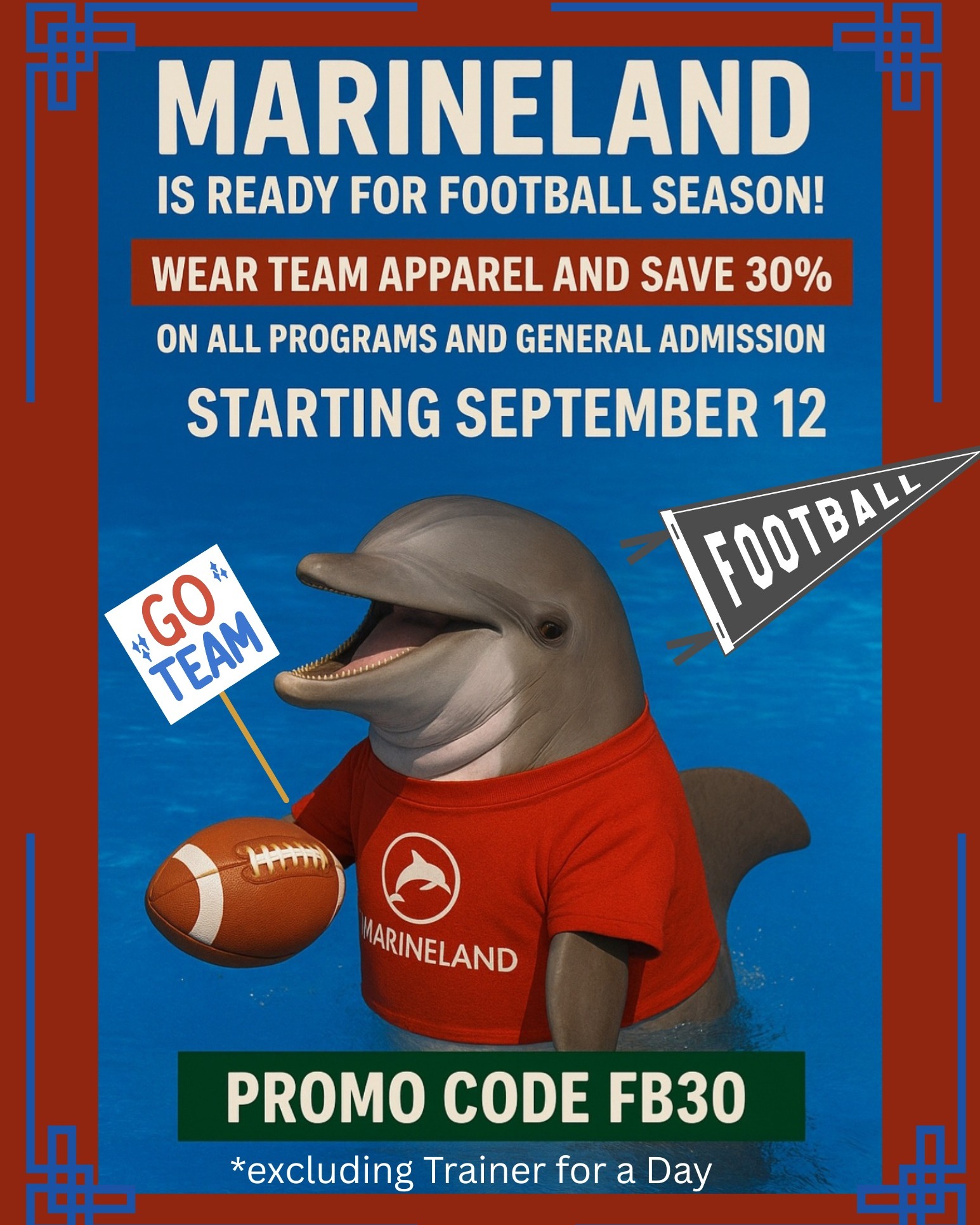
- The symbiotic relationship between dolphins and humans in entertainment contexts.
- Understanding dolphin behavior and ecology.
- The importance of wildlife conservation and habitat preservation.
- The role of education in fostering appreciation for marine life.
- How interactions with dolphins can enhance public awareness and stewardship.
Football fans will be thrilled to know that touchdown celebrations reach a new high with incredible, immersive experiences involving playful dolphins. This personal engagement with marine mammals serves as a refreshing reminder of the connections we share with wildlife. Dolphins have long fascinated humans due to their intelligence, social structures, and advanced abilities.
The interplay of football culture and dolphin shows sets the stage for a unique blend of sports enthusiasm and wildlife interaction. Fans can not only enjoy their favorite games but also witness dolphins displaying their remarkable skills. This interaction is a point of enrichment, where fans can learn about the species while having fun.
Dolphins belong to the family Delphinidae, which encompasses over 30 species, each with distinct characteristics. They are highly social creatures, often living in pods ranging from a few individuals to hundreds. Their communication skills, comprising a series of clicks, whistles, and body movements, help them navigate their underwater environment effectively. Football fans may witness these interactions during organized events, providing a rare opportunity to learn how complex and rich dolphin life is.
Observing dolphin behavior in a safe environment helps to promote understanding of their ecological roles. Dolphins act as indicators of ocean health. The success of dolphin populations can provide insights into the conditions of marine ecosystems. Trachurus, the species often highlighted in interactive shows, thrives under specific ecological conditions. Alterations or disruptions to their natural habitat can impact their survival and availability.
Wildlife conservation plays an essential role in safeguarding dolphin populations. Many species of dolphins are threatened by habitat destruction, pollution, and climate change. When football fans engage with dolphins, they are indirectly contributing to conservation efforts. Events that incorporate marine life often emphasize the importance of protecting their habitats. Education programs raise awareness, allowing people to grasp the significance of preserving marine ecosystems.
In addition, public displays of dolphin intelligence attract large audiences, leading to potential funding for conservation endeavors. Aquariums and marine parks often participate in research projects that help inform conservation strategies. This collaborative approach ensures that visitors have opportunities to learn while also supporting essential ecological initiatives.
Education remains a fundamental component in cultivating respect for marine life. Touchdown celebrations involving dolphins serve as powerful outreach tools. Engaging narratives can inspire individuals to seek environmentally friendly practices in their everyday lives. With public interest drawn to these marine mammals, there lies an opportunity to educate fans about the broader challenges marine life faces today.
Through various interactive experiences, individuals can witness firsthand the intelligence and agility of dolphins. Whether it’s making a splash during a cheer or learning about the distinct social structures of dolphin pods, these experiences can trigger an emotional connection. Such moments can motivate fans to become advocates for conservation.
Public awareness is increasingly vital in today’s context, particularly as marine habitats face significant threats. The educational aspects of dolphin interactions emphasize stewardship. If people learn about marine ecosystems, they are more likely to engage in efforts to protect them. For instance, sporting events that include information about conservation initiatives or sustainable practices can attract participants and attendees.
Furthermore, the interaction between fans and dolphins provides an opportunity for behavioral observations—an essential component of zoological studies. Understanding dolphin communication, social interaction, and hunting strategies enriches both fan experiences and scientific knowledge. The unique environment showcases how dolphins interact and respond to human presence, enhancing our comprehension of their behaviors.
Through dedicated zoological research, strategies can be developed to improve both dolphin welfare and management practices. Dolphin rescue organizations, often based in marine parks, work diligently to rehabilitate injured or stranded dolphins. Football enthusiasts engaging with marine life can come back to support these efforts, whether through funding or advocacy.
Aquarium staff and zookeepers play critical roles in managing dolphin programs. They are trained to recognize both the physical and psychological needs of dolphins. Creating environments that mimic natural habitats helps to reduce stress and promote healthier behaviors. Such practices are rooted in a deep understanding of dolphin biology and social dynamics.
The visibility of dolphins in sports-themed events helps improve public perception of marine conservation and furthering animal welfare efforts. It bridges the gap between recreational activities and wildlife appreciation. The integration of marine life into popular culture can change the narrative surrounding conservation, transforming how communities perceive biodiversity.
Marine parks that conduct these educational experiences also focus on ethical considerations. Guidelines ensure that interactions prioritize animal welfare and minimize stress. Observations of dolphin behavior stress the importance of leaving marine ecosystems intact. Education initiatives demand that fans recognize the importance of maintaining biodiversity.
Collaboration between zoos and conservation organizations creates a comprehensive approach to wildlife education. By connecting fan experiences with conservation efforts, various entities can amplify their messages. Educational materials offered online or distributed at events can keep communities informed about essential conservation practices.
Both the sport and marine environments can benefit from this integration of celebration and conservation. The interaction with dolphins inspires a respect for nature that can reverberate through communities. It encourages discussions centered on ocean health and encourages fans to support marine parks and their preservation missions.
In an era where climate change poses significant challenges to marine life, fostering awareness can energize collective action. The emotional connections made through dolphin interactions may motivate individuals to become advocates for eco-friendly practices or donate to marine protection initiatives.
As fans jump to their feet in celebration, the spirit of camaraderie and appreciation for both sports and marine life comes together. Initiatives that highlight dolphins in a celebratory context can instill a sense of responsibility. When football fans engage with these remarkable creatures, they become part of a broader movement to safeguard marine biodiversity.
Touchdown celebrations that celebrate dolphins truly elevate not just sports culture but also a deep appreciation for marine life. By striking this balance, we can all learn, contribute, and enjoy the beauty of the natural world. Engaging with dolphins can be the catalyst that inspires individuals to become proactive stewards of the environment. The fusion of excitement and education serves as a powerful reminder of the role we each play in preserving our planet’s wonders.
*****
Source Description
🏈🐬Football Fans-This One’s for you! 🐬🏈 Touchdown celebrations hit a whole new level! Get up close, splash, and interact with our amazing dolphin family-the PERFECT play for your weekend! 🎉
