
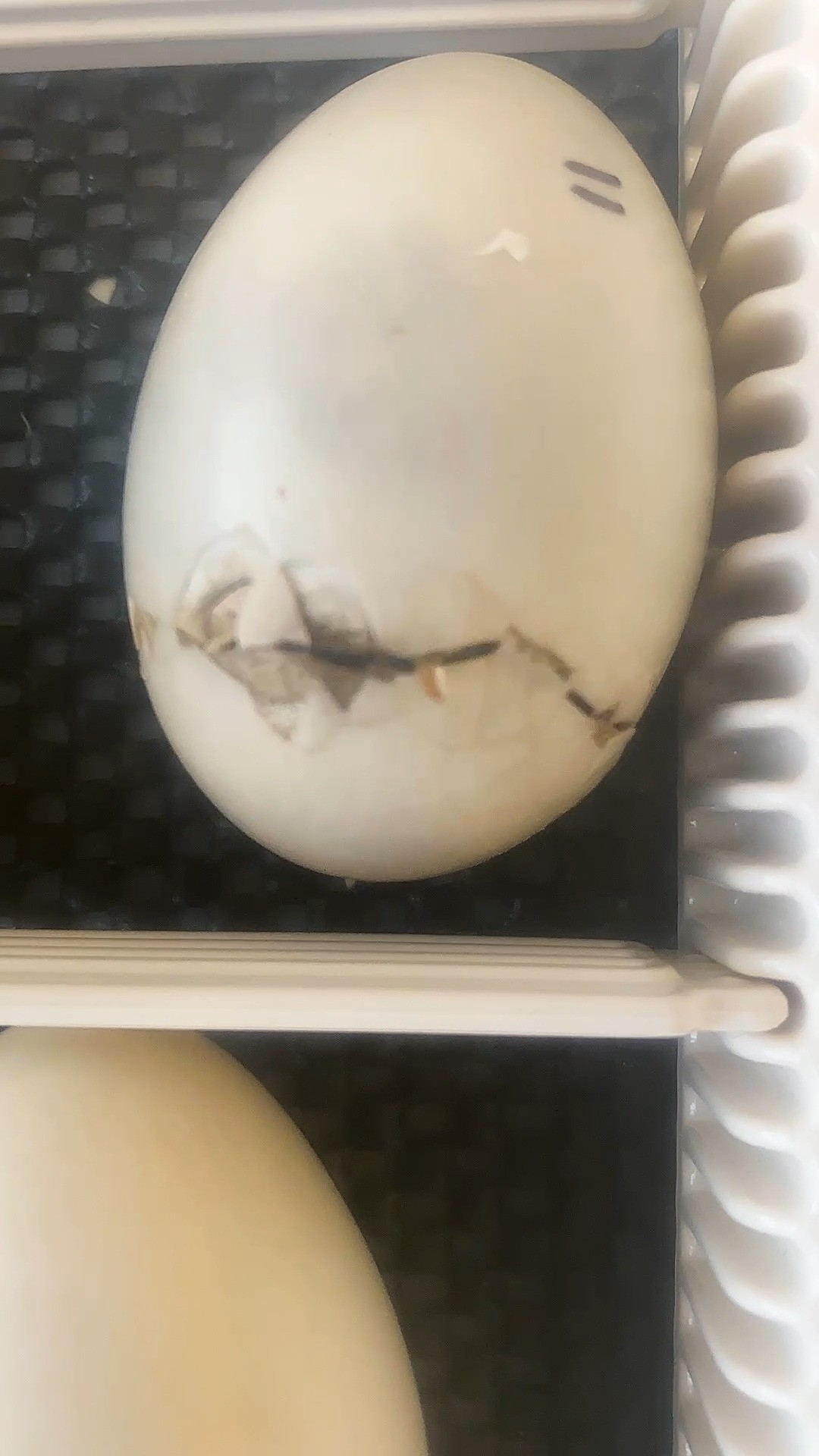
- Franklin Park Zoo’s role in conservation efforts for scaly-sided mergansers.
- Overview of the scaly-sided merganser’s natural habitat and threats to its population.
- Insights into the Species Survival Plan and its impact on endangered species.
- The significance of engaging the public in wildlife conservation.
- Details on the adult scaly-sided mergansers available for viewing at Franklin Park Zoo.
Franklin Park Zoo has recently announced an exciting addition this spring: seven scaly-sided merganser ducklings. This news is particularly noteworthy as it directly contributes to the Species Survival Plan (SSP) for this endangered Asian waterfowl. The scaly-sided merganser, with its striking appearance and unique adaptations, serves as an important species in the ecosystem, yet it faces significant threats in its native environments.
The scaly-sided merganser, scientifically known as Mergus squamatus, inhabits the rivers and lakes of southern Russia and parts of Asia, including northern China, Korea, and Japan. These regions provide essential habitats featuring clean, fast-flowing waters where the ducklings thrive. They rely on these aquatic environments for foraging and nesting. Unfortunately, habitat loss due to industrial development and agriculture poses a significant risk to their numbers. Moreover, fishing nets can lead to unintentional fatalities, while illegal hunting further accelerates the decline of this beautiful species.
The primary threats facing scaly-sided mergansers include loss of habitat from pollution, dam construction, and land reclamation. These activities degrade their living conditions and hinder their survival rates. The pressures of fishing accidents and hunting practices, often driven by demand for exotic wildlife, create additional challenges for their conservation. With these persistent threats, it is vital to implement effective measures to ensure the species survives.
The Species Survival Plan (SSP) is a critical framework designed to assist in the conservation of vulnerable populations, including the scaly-sided merganser. Managed by the Association of Zoos and Aquariums (AZA), SSPs focus on genetic diversity, species population management, and habitat preservation. Franklin Park Zoo’s involvement in this program illustrates a dedicated commitment to maintaining biodiversity and promoting healthy populations of endangered species.
The SSP for the scaly-sided merganser involves collaborating with various institutions to facilitate breeding programs and increase awareness about the species’ plight. By breeding scaly-sided mergansers in captivity, zoos can contribute to a safety net population. This effort aims not only to release ducks back into their natural habitats but also to create educated ambassadors for conservation. Programs like this cultivate a deeper understanding of the complexities surrounding species preservation.
The public’s engagement in wildlife conservation is essential for successful conservation initiatives. By visiting facilities such as Franklin Park Zoo, individuals connect with species like the scaly-sided merganser. These encounters foster a greater appreciation for wildlife and encourage advocacy for environmental protection. Educational programs and outreach initiatives can inspire patrons to become stewards of the environment, influencing positive changes in public attitudes towards wildlife conservation.
At Franklin Park Zoo, the striking adult scaly-sided mergansers can be seen in the Aviary located in Nature’s Neighborhood. Observers are greeted by the adults’ vibrant plumage and distinctive features, providing an invaluable opportunity to appreciate these magnificent birds up close. As the ducklings grow, they will eventually be introduced to the exhibit as a part of the zoo’s commitment to create a well-rounded display of both adult and juvenile species.
Birdwatching not only serves as a leisurely pastime but also plays a role in conservation awareness. Visitors can learn about the scaly-sided merganser’s unique behaviors, courtship displays, and foraging techniques while observing them in a naturalistic setting. Engaging with these birds can spark curiosity and concern about their survival, motivating individuals to advocate for conservation efforts.
The experience of viewing scaly-sided mergansers in the zoo also highlights the importance of environmental conservation. Attendees leave with a better understanding of the endangered status of various species and how their actions can contribute to fostering biodiversity. Education is a crucial element in creating informed advocates who can influence policies aimed at protecting wildlife.
In summary, the spring hatching of seven scaly-sided merganser ducklings at Franklin Park Zoo represents a significant breakthrough for conservation efforts. Through the Species Survival Plan, the zoo actively participates in ensuring these endangered waterfowl receive the necessary support for their future. Education and public engagement created around this species play a crucial role in raising awareness regarding the threats these birds face in the wild.
As the scaly-sided merganser populations in their native habitats continue to decline, it is vital to acknowledge our role in their survival. Every individual effort to support conservation initiatives adds up to a substantial impact. Thus, visits to facilities like Franklin Park Zoo not only allow people to experience the beauty of wildlife but also inspire them to help protect these magnificent species.
Through continued support for the Species Survival Plan and public education campaigns, we can foster a culture of conservation that prioritizes the protection of endangered species like the scaly-sided merganser. It is essential to recognize that by fostering environments that attract and sustain diverse wildlife, we also enhance the overall health of our planet.
As awareness grows and more individuals engage in conversations around wildlife conservation, we are paving the way to ensure these wonderful ducklings have a brighter future. In the journey toward sustainable coexistence with wildlife, each observer can inspire change, fueling actions that benefit both animals and their habitats. With the next generation of scaly-sided mergansers hatching and growing at Franklin Park Zoo, we are reminded of the joy and hope found in the young lives of our planet’s vulnerable species.
*****
Source Description
ICYMI: Franklin Park Zoo has been making way for some very special ducklings this spring — seven scaly sided mergansers. SEVEN!!
This is especially exciting news for the Species Survival Plan for this endangered Asian waterfowl. Scaly-sided mergansers are at risk due to habitat loss, fishing accidents, and illegal hunting in its native habitat of southern Russia and northern China, Korea, and Japan.
While the babies are growing big and strong behind the scenes, you can spot some of the striking adults in the Aviary in Nature’s Neighborhood at Franklin Park Zoo!
