
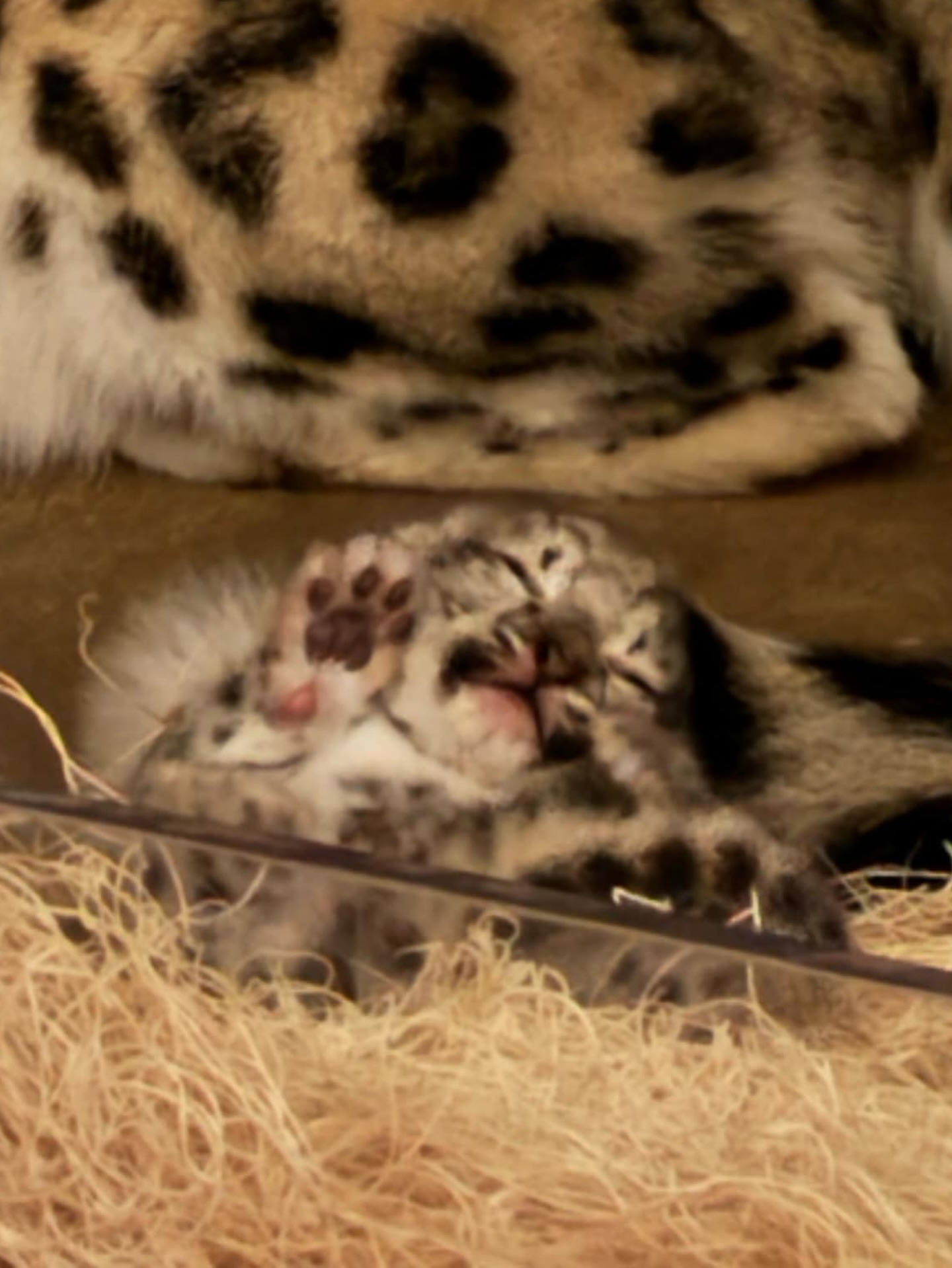
- Overview of tiny toe beans: what they are and why they matter
- The role of zookeepers and animal care specialists in wildlife conservation
- The significance of toe beans in animal health and behavior
- Engaging the public through education and outreach programs
- The future of toe bean conservation and its relation to overall wildlife health
Tiny toe beans are a delightful feature found on the paws of many animals, particularly in species such as cats, dogs, and various mammals. These small, cushioned pads serve not only as a source of cuteness but also play crucial roles in the animal’s functionality. They aid in locomotion, provide thermal insulation, and contribute to sensory perception. The soft pads help animals grip surfaces and navigate their environments with greater ease.
Zookeeper Valerie’s commentary on toe beans provides a unique lens through which we can appreciate these small but significant structures. Zookeepers like Valerie are not merely caretakers; they are critical players in the field of wildlife conservation. They work tirelessly to safeguard both the animals in their care and the ecosystems in which those animals reside.
The health of toe beans often serves as an indicator of the overall well-being of the animal. A zookeeper’s trained eye can identify problems such as dryness, cracking, or excessive wear. Such conditions can signal broader health issues that require prompt attention. Observations made during routine check-ups are vital; any abnormalities can lead to a swift intervention, ultimately contributing to the animal’s longevity and quality of life.
Educating the public about animals and their needs is another essential role for zookeepers. Through educational programs, zookeepers like Valerie take the opportunity to highlight the importance of conservation efforts. They teach visitors about the significance of proper care for animals, emphasizing that awareness can inspire a collective effort in wildlife protection. The charm of tiny toe beans often draws intrigue from the public, making them an engaging aspect in discussions around animal welfare.
In terms of conservation, toe beans demonstrate a larger narrative concerning wildlife health. Healthy toe beans mean healthy animals, which in turn reflects the vitality of entire ecosystems. This interconnectedness illustrates a need for strategies aimed at protecting habitats that nurture diverse species. Zookeepers actively participate in collaboration with environmental organizations, ensuring that their collective efforts yield sustainable outcomes.
As we look to the future, the significance of toe bean health in wildlife conservation becomes even more pronounced. Issues such as climate change continue to impact animal habitats, which can subsequently affect their health and welfare. By studying the condition of toe beans, zookeepers can glean important insights into how animals are managing stressors in their environments. Awareness of these factors allows for informed decisions in effective wildlife management and conservation strategies.
The public engagement fostered by zookeepers is fundamental in cultivating a deeper appreciation for wildlife. Through initiatives that provide hands-on experiences and educational interactions, zookeepers can instill a sense of responsibility not only towards animals but also towards broader ecological challenges. Fresh out of the kitchen—one order of tiny toe beans—serves as a catchy reminder of the little things in nature that warrant attention.
Every animal unique unto itself contributes to the rich tapestry of biodiversity. Each toe bean embodies a story of adaptation and survival. Zookeepers take on the responsibility of nurturing these stories, helping to sustain the natural world. The future of wildlife conservation rests heavily on understanding the significance of these seemingly small features.
Movements in the field of zoo management emphasize the necessity of having knowledgeable staff who can accurately assess animal well-being. Zookeepers undergo extensive training that encompasses animal behavior, health monitoring, and species-specific care. Their observations about toe beans expand beyond mere aesthetics; they signal the conditions required for thriving wildlife. Successful management techniques are rooted in ongoing education and collaboration among professionals.
In addition to animal care, zookeepers like Valerie are also evolutionizing the standards of care in captivity. They understand that animals in their care are not just collections of specimens; they are ambassadors for their species. Each interaction provides valuable opportunities to educate both the visiting public and their peers within the zoological community. The focus on the tiny toe beans can be an efficient metaphor for broader discussions about animal welfare.
As zookeepers advocate for better conditions for wildlife, capturing the hearts and minds of the public transforms the narrative around conservation. Engaging individuals in storytelling about toe beans, animal adaptations, and the interconnectedness of ecosystems illustrates the urgency of thoughtful stewardship. It’s never too late to inspire action and awareness regarding wildlife health.
Every effort made by zookeepers and their partners in wildlife management promotes a culture of conservation. Various initiatives in zoos work to bolster community efforts regarding habitat preservation, animal rescue, and species recovery programs. Conservation is increasingly a multidisciplinary endeavor, requiring collaboration across fields such as biology, ecology, and education.
Using toe beans as entry points into deeper discussions around animal health makes complex concepts accessible. Social media campaigns, school programs, and community events can spark interest and cultivate enthusiasm among different demographics. Visitors who learn about animal care through the lens of tiny toe beans may leave the zoo inspired to support wildlife efforts in their communities.
As we consider the future of wildlife health and the role of professional caregivers, understanding the significance of features like tiny toe beans is crucial. Climate change, habitat destruction, and other human-induced pressures continue to challenge wildlife. By raising awareness about the importance of toe bean health, zookeepers can help drive movements aimed at conservation.
Information gathered through daily observations of animals can provide baseline data for long-term studies on species health. Collaborative partnerships between zoos and research institutions ensure that findings contribute to a broader understanding of wildlife health. This ongoing dialogue is essential for adapting practices in animal care and conservation efforts.
Valerie’s insights into tiny toe beans exemplify how small details contribute to a larger narrative about animal wellness. While these adorable pads capture attention, they also resonate with vital messages about care and stewardship. Zookeepers remain at the forefront, guiding discussions about wildlife conservation. The future may be uncertain, but with diligent care, informed practices, and engaged communities, the path forward looks promising.
Communities can play active roles in conservation initiatives, fostering relationships with local zoos and wildlife organizations. Support for educational programs helps extend the reach of zookeepers’ vital messages. Children and adults alike can draw connections between what they see at the zoo and the broader ecological systems at play.
Fundamentally, the discourse surrounding tiny toe beans showcases the intricate connections found in the animal kingdom. Zookeepers like Valerie illuminate the ways in which thoughtful management can influence not only individuals but also entire populations. What resides beneath their tiny surfaces speaks volumes about the health and happiness of countless species.
Ongoing engagement and education can mobilize collective efforts to protect wildlife. Informed communities are better equipped to combat the challenges threatening natural habitats. By recognizing the importance of tiny toe beans and the skilled zookeepers who care for the animals that possess them, we can adopt a more compassionate approach to wildlife conservation. As communities rally together, the effects ripple outward, fostering a future where animals are cherished, respected, and protected.
*****
Source Description
Fresh out of the kitchen: one order of tiny toe beans. 😍
📸: Zookeeper Valerie
