
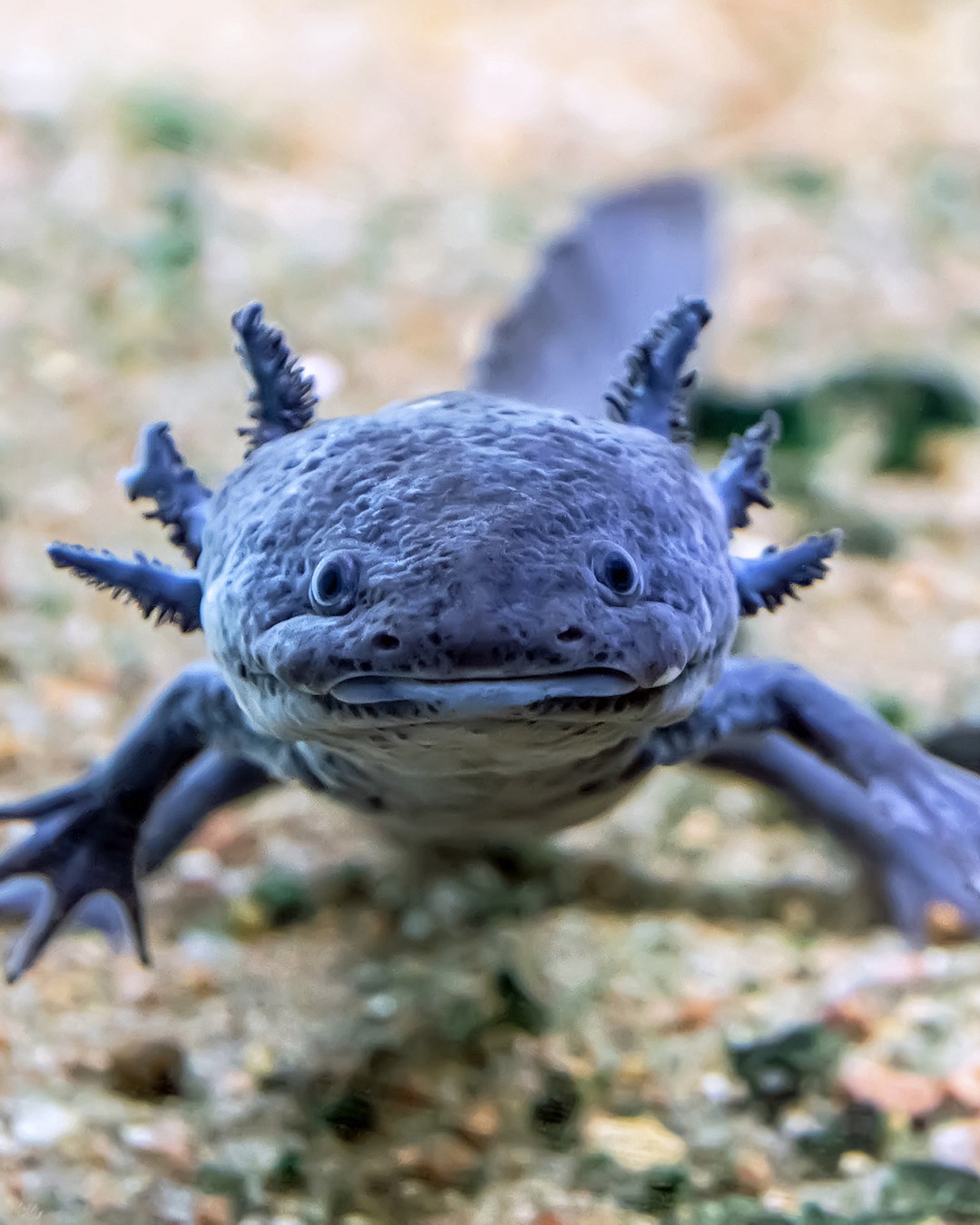
- Freshwater ecosystems are critical for biodiversity.
- Pollution and habitat destruction significantly impact freshwater species.
- Overfishing and invasive species pose serious threats.
- Conservation efforts are crucial to stabilize and rebuild populations.
- Public engagement and education are necessary for effective protection.
Freshwater ecosystems, encompassing rivers, lakes, wetlands, and streams, serve as vital habitats for countless species. Their health is crucial not only for the flora and fauna they support but also for human populations who rely on these water sources for drinking, agriculture, and recreation. Unfortunately, freshwater species are plummeting, facing a multitude of threats that jeopardize their survival. It is essential to grasp these challenges and act decisively to safeguard these invaluable ecosystems.
Pollution is one of the foremost threats to freshwater species. Agricultural run-off, industrial waste, and sewage discharge introduce toxins, nutrients, and pathogens into water bodies. Eutrophication occurs when excess nutrients, particularly nitrogen and phosphorus, foster algal blooms. These blooms consume oxygen, creating “dead zones” that suffocate aquatic life. In an alarming study by the International Union for Conservation of Nature (IUCN), freshwater species biodiversity has declined by 83% in the last few decades, largely due to pollution.
Mercury, heavy metals, and plastic waste add to the toxic burden faced by freshwater species. Mercury accumulates in fish and can cause neurological damage in humans and other animals that consume them. Microplastics, often too small to be seen, affect a wide range of aquatic organisms, from plankton to larger fish species. These contaminants disrupt ecosystems and detrimentally affect food webs, leading to further declines in species populations. The realities of pollution illustrate a grim landscape for freshwater species and emphasize the need for urgent interventions to address this dire issue.
Habitat destruction poses an equal threat to freshwater ecosystems. Urbanization leads to the alteration of rivers and wetlands through dam construction, channelization, and land development. The fragmentation of habitats isolates populations, making it difficult for species to thrive and reproduce. Aquatic corridors, vital for migratory species, become blocked or drastically altered, limiting access to spawning grounds and feeding areas. This loss of habitat directly correlates with declining species populations, as many organisms depend on specific environments to survive.
The introduction of invasive species into freshwater ecosystems complicates conservation efforts. Species from different regions can outcompete native species for resources, disrupt food webs, and introduce new diseases. For example, the Asian carp has drastically altered the Great Lakes ecosystem, threatening native fish populations and the fishing industry that relies on them. Similarly, the zebra mussel clogs waterways and alters the environment by outcompeting native species for food and habitat. The impact of invasive species highlights the interconnectedness of ecosystems and demonstrates how the introduction of just one species can have far-reaching consequences.
Overfishing also contributes significantly to the decline of freshwater species. Unsustainable fishing practices often lead to the depletion of fish stocks, disrupt ecosystems, and harm populations that may already be struggling due to other threats. Species such as the sturgeon, prized for their caviar, have faced dramatic declines in numbers due to overharvesting. This decline is not merely a loss of a species; it affects entire ecosystems and the services they provide. Sustainable fishing practices must be prioritized to prevent the collapse of essential fish populations and, by extension, the entire health of freshwater ecosystems.
Implementing conservation efforts is crucial in reversing the trend of declining freshwater species. Protecting critical habitats through designated conservation areas can help mitigate the impacts of pollution and habitat loss. These areas should prioritize the needs of diverse aquatic organisms and provide safe passage for migratory species, ensuring that they can access essential resources. Restoration projects, such as re-naturalizing rivers and rehabilitating wetlands, also contribute to rebuilding habitats and supporting species recovery. Programs like “nature-based solutions” focus on restoring ecosystems to improve resilience against climate change, demonstrating the multifaceted benefits of conservation.
Legislation plays a pivotal role in freshwater protection. The Clean Water Act in the United States aims to restore and maintain the integrity of the nation’s waters by regulating point source pollution and safeguarding wetlands. Strong enforcement of these regulations is critical, as non-compliance can undermine conservation efforts. Additionally, international agreements, such as the Convention on Biological Diversity, also establish guidelines for the protection of biodiversity, including freshwater species. Engaging governments at all levels to prioritize freshwater conservation is essential for fostering a sustainable future.
Public engagement in conservation initiatives cannot be overstated. Education and outreach programs raise awareness about the plight of freshwater species and the need for collective action. Citizen science projects, which involve the public in monitoring local water bodies and species populations, allow individuals to directly contribute to conservation efforts. This involvement fosters a sense of stewardship and responsibility, encouraging community members to advocate for sustainable practices. Engaging local communities creates a network of support that can influence policies and promote conservation projects tailored to specific needs.
In addition, promoting sustainable practices such as responsible fishing, waste management, and agricultural techniques can significantly mitigate threats to freshwater species. Encouraging individuals and industries to adopt eco-friendly practices reduces pollution and habitat destruction, promoting healthier ecosystems. Simple actions, such as reducing plastic use and participating in local clean-up events, can have a tangible impact on freshwater systems.
Research also plays a vital role in understanding and addressing the challenges facing freshwater species. Continuous monitoring of species populations, water quality, and habitat conditions allows researchers and conservationists to adapt strategies as conditions change. Data-driven insights inform policy decisions and help prioritize conservation efforts based on the species and ecosystems most in need of protection.
Innovative technologies are emerging that offer new solutions for conservation. For example, remote sensing and geographic information systems (GIS) help track changes in land use and water quality, enabling more informed decision-making. Additionally, advancements in breeding programs and genetic research allow for the restoration of endangered species through captive breeding and reintroduction into the wild. These technologies provide essential tools for fighting the decline of freshwater species and maintaining the health of ecosystems.
Protecting freshwater species is a shared responsibility that requires active participation from individuals, communities, governments, and organizations. Advocacy efforts, such as supporting local conservation groups and participating in policy discussions, can enhance efforts to protect freshwater ecosystems. Social media platforms offer a powerful way to raise awareness and mobilize action. Sharing information about local freshwater threats and successful conservation strategies can inspire a broader community engagement.
Ultimately, time is of the essence in addressing the decline of freshwater species. The interdependence of human well-being and the health of freshwater ecosystems cannot be overlooked. As we face global challenges, from climate change to resource depletion, the stakes for freshwater species have never been higher. Protecting these ecosystems requires commitment and collaboration from all sectors of society.
Freshwater ecosystems and the species that inhabit them are under unprecedented stress. Pollution, habitat destruction, invasive species, and overfishing are driving many species toward extinction. Comprehensive conservation strategies—and active public engagement—are necessary to halt the decline of freshwater species. By acting collectively and advocating for sustainable practices, we can work towards creating healthier ecosystems that support not only wildlife but also the communities that depend on them. This is an urgent call to action for everyone who cares about preserving the natural world for future generations.
*****
Source Description
Freshwater species are plummeting. 😔
Pollution, and overfishing are just some of the threats affecting freshwater species like these.
This CANNOT continue. 🐟
Now’s the time to act – to protect freshwater species and the ecosystems we all rely on.
Share to your stories & give nature a voice 🦛
.
.
