
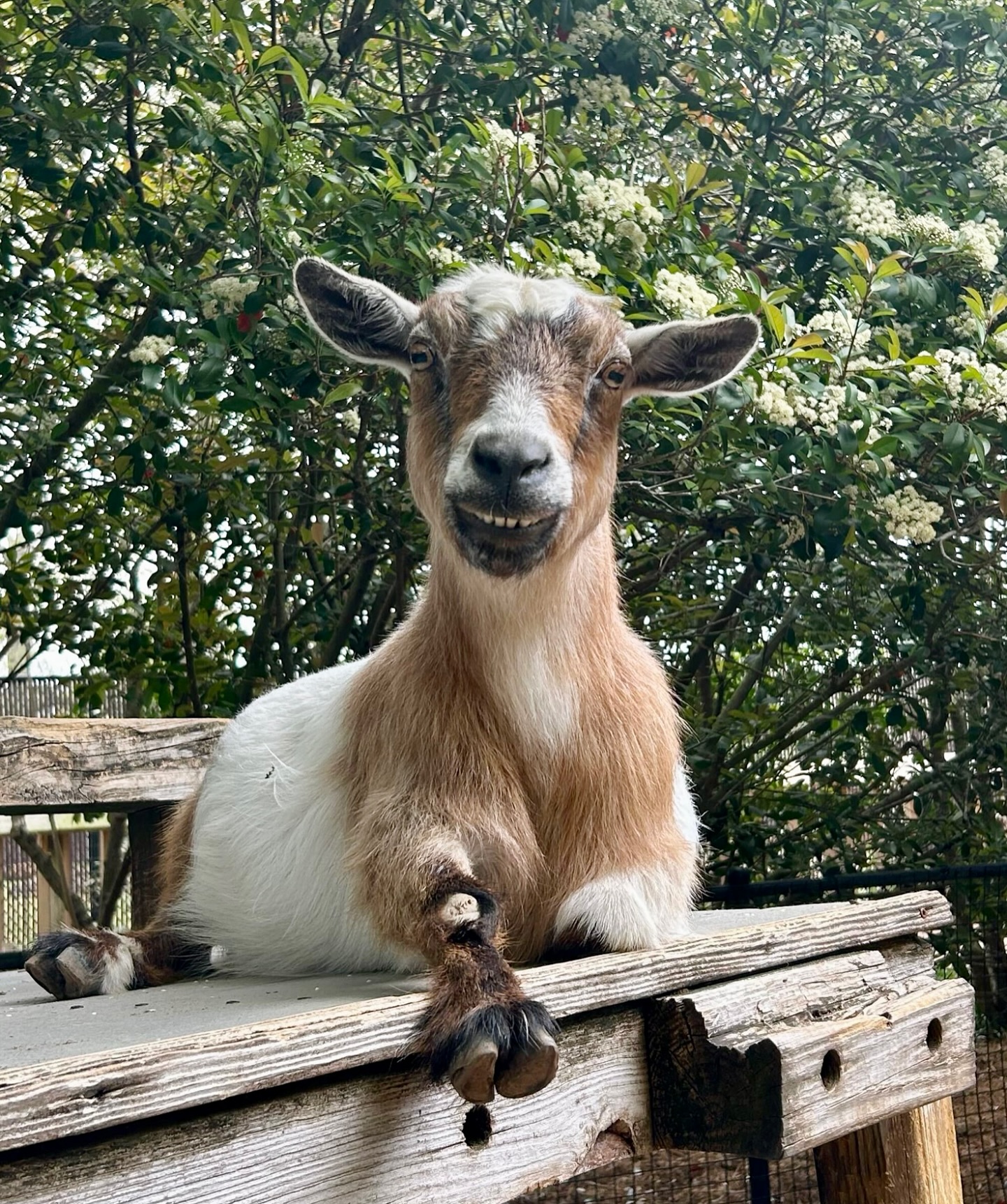
- The characteristics and behavior of Shani the smiling goat.
- The role of goats in zoo settings and animal husbandry.
- The importance of conservation efforts for domestic and wild goat species.
- Engaging the public through animal interactions at zoos.
- The educational significance of having a charismatic animal like Shani.
Shani the smiling goat, a beloved resident of the Hattiesburg Zoo, brings joy and laughter to visitors who come to see her. Known for her approachable nature and delightful demeanor, Shani embodies the cheerful spirit often associated with Fridays and the weekend. Goats, including those like Shani, have distinct traits that make them fascinating animals to study. Their physical attributes, social behaviors, and intelligence contribute to their popularity as friendly companions, both in domestic environments and zoos.
Shani’s smile is more than just an endearing feature. It reflects important aspects of her behavior and well-being. Goats are social animals that thrive in herds, exhibiting a range of behaviors that reveal their complex social structure. They communicate through vocalizations, body language, and even facial expressions. Shani’s friendly disposition likely arises from her interactions with both her fellow goats and the staff at the zoo. Maintaining good mental health in animals is crucial, and Shani’s open approach to interactions with visitors supports her social needs.
The role of goats in zoo settings extends far beyond mere entertainment. Goats serve as ambassadors for their species, engaging people and raising awareness about animal husbandry and agricultural practices. They often help educate the public on the importance of responsibly caring for domestic animals. This educational component is essential for fostering a deeper appreciation for wildlife and the environment. Zoos like Hattiesburg create environments where visitors can learn not only about the specific habits and habitats of individual species but also the broader ecological implications.
When people encounter goats at the zoo, they can gain firsthand experience in understanding their needs and behaviors. Goat husbandry is a significant agricultural practice. Goats are valued for their milk, fiber, and even meat in various cultures. Teaching visitors about these aspects helps create more informed advocates for animal welfare and conservation. Shani’s presence can ignite interest in sustainable farming practices that prioritize animal health and ecological balance.
The importance of conservation efforts for goat species cannot be understated. While domestic goats are common worldwide, many wild goat species are threatened or endangered. In regions like the Middle East and parts of Asia, wild goats such as the Nubian ibex and the markhor are facing habitat loss and hunting pressures. Preservation of these species is essential for maintaining genetic diversity and ecological balance. Engaging in conservation work helps combat these threats, and zoos often participate in these initiatives.
Shani’s cheerful persona also plays a vital role in attracting visitors, ultimately supporting conservation efforts. When people smile at Shani and share in the positive energy she radiates, they become more open to learning about conservation challenges. The zoo serves not only as a place for entertainment; it becomes an educational hub where individuals can discover risks faced by wildlife. Through goat-centered activities, children and adults alike can develop an appreciation for these animals and the ecosystems they inhabit.
Public engagement is vital for the future of wildlife conservation. Interactions with animals like Shani help visitors form connections that inspire them to advocate for animal welfare. When individuals witness how goats behave in a social environment and learn about their various traits, they are often motivated to help support such animals through donations or advocacy for conservation programs. These personal experiences are invaluable for fostering empathy towards animals.
By providing opportunities for visitors to feed Shani or engage in her daily activities, zoos create memorable experiences that bridge the gap between excitement and education. These interactions can lead participants to research ways they can support wildlife initiatives or maintain their own animals responsibly. The charm of an approachable goat can spark curiosity, leading families to explore related topics on sustainability, animal husbandry, and conservation.
The educational significance of having charismatic animals like Shani becomes evident when looking at visitor interactions. Many families leave the zoo with newfound knowledge about animal welfare, conservation practices, and the importance of protecting habitats. Programs tailored around goats can highlight agricultural practices that are sustainable and humane. Such educational initiatives play a crucial role in shaping a generation that values wildlife and understands its challenges.
Moreover, goats like Shani are part of a larger ecosystem in which they serve important ecological functions. They are natural grazers and can help maintain the balance of vegetation in various environments. This natural behavior can aid in soil health and biodiversity, influencing the wider ecosystem beneficially. Educating visitors about these ecological roles enhances understanding of the connections within ecosystems, demonstrating how every species, from the smallest insect to the largest mammal, plays a significant part.
The practice of integrating animal-based learning into educational programs is foundational in zoos. Through Shani’s presence, children learn about the care and responsibility associated with domestic animals. These hands-on experiences can motivate kids to pursue studies in veterinary science, zoology, or agriculture. Empowering future generations with knowledge about the importance of animal health and welfare is essential for sustaining the species and habitats in the future.
As visitors come to Hattiesburg Zoo, the atmosphere buzzes with excitement on Fridays. The weekend draws close, and the promise of family fun lies ahead. Shani, with her cheerful demeanor, serves as a focal point for this joy. Educational staff members facilitate engaging activities related to her care and habits. Families can discover fun facts and important lessons about animal husbandry while soaking in the experience of being near such a friendly creature.
Shani is far more than a simple attraction. Her presence brings forth critical discussions about animal welfare, conservation, and the importance of connecting people with nature. An approachable goat like Shani embodies the essence of how interacting with animals can enrich human lives. Each visitor leaves with not just a smile but also a deeper understanding of their responsibilities toward wildlife.
Additionally, the increase in visitor engagement helps the Hattiesburg Zoo in maintaining and improving its facilities and programs. Patronage allows the zoo to continue its mission in wildlife conservation and education. Revenue generated from ticket sales and animal-centered activities aids in funding essential initiatives that protect endangered species and support community outreach efforts.
The collaborative work between zookeepers and educational staff ensures that every interaction with Shani is meaningful. They are well-versed in goat behavior, understanding what makes animals like Shani thrive. Monitoring her health and well-being is of the highest priority, demonstrating the zoo’s dedication to animal welfare. Through careful observation, staff can document behaviors that inform better practices in camelid care and management.
Goat welfare requires an understanding of their unique needs, including dietary preferences, social interactions, and habitat conditions. By providing enriching environments that simulate natural situations, zookeepers help bolster the mental health of animals. Shani’s happy and relaxed demeanor shows that her environment is well-suited for a goat, thus serving as a model for maintaining animal welfare in captive settings.
In tapping into the charm of animals like Shani, the Hattiesburg Zoo not only enhances visitor experiences but also fosters a newfound respect for all creatures. This relationship can promote conversations about environmental issues impacting wildlife both globally and locally. Conversations sparked by a smiling goat may lead to larger-scale movements advocating for ecological sustainability.
Goats like Shani play a significant role in immersive learning experiences that engage visitors with the natural world, prompting them to appreciate not just the beauty but also the necessity of wildlife conservation. Shani embodies the connection between humans and animals, creating pathways for dialogue and advocacy. Through Shani, the smiling goat, the ultimate goal of raising awareness and fostering compassion for wildlife is realized, one smile at a time.
*****
Source Description
Friday mood: Shani the smiling goat 🐐
We are all smiles as we head into the weekend! Join us at the Hattiesburg Zoo Friday- Sunday, 10am- 4pm, and make this weekend the G.O.A.T. 😊
