
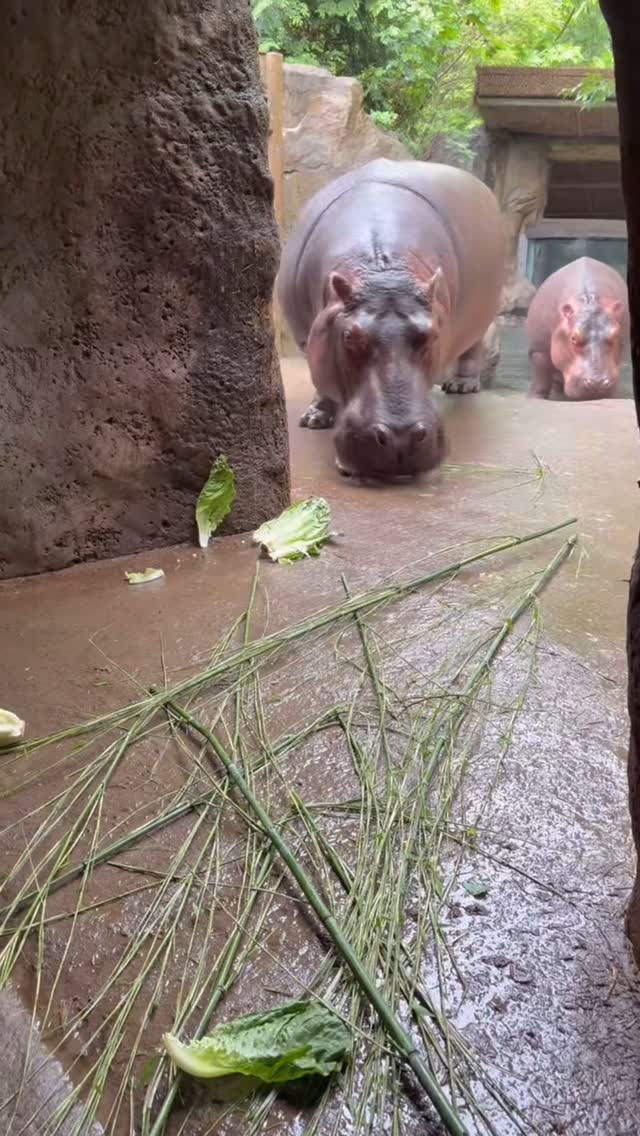
- The unique relationship between Fritz the hippo and his mother Bibi.
- The natural habitat of hippos, particularly in caves like those found at Hippo Cove.
- The importance of nutrition and tailored diets for zoo animals.
- Insights into wildlife conservation and the role of zoos in protecting species.
- Educational outreach and community engagement through interactive experiences.
Fritz the hippo and his mother Bibi represent much more than just a heartwarming mother-son duo. Their story unfolds at Hippo Cove, where they are not just a spectacle for visitors but also important subjects of study in zoology. Hippos are fascinating creatures that contribute significantly to their ecosystems, and their behavior and interactions provide essential insights into their conservation.
Hippos thrive in a semi-aquatic environment, often found in rivers and lakes across sub-Saharan Africa. At Hippo Cove, they inhabit a setting that closely mimics their natural habitat. Caves, in particular, serve multiple purposes for these water-dwelling mammals. They provide shelter, a safe space for nursing young animals, and areas for socializing. Fritz, as a young hippo, benefits greatly from the protective environment that caves offer. This nurturing habitat allows him to learn essential survival skills while strengthening his bond with Bibi.
Bibi’s care for her son represents a critical aspect of hippo social structures. Female hippos often demonstrate nurturing behavior, which can include intense vigilance and protection of their calves. This maternal instinct not only focuses on keeping the young ones safe from potential predators but also promotes healthy development through social interactions. As Fritz plays and explores, Bibi is there to supervise, allowing him to engage with other young hippos, thereby encouraging social learning.
Nutrition is another vital element in the health and well-being of Fritz and Bibi at Hippo Cove. Hippos primarily graze on grass, consuming large quantities during the night when they are most active. In zoos, it is crucial to replicate this diet as closely as possible, ensuring the animals receive all the necessary nutrients for their growth and development. At Hippo Cove, specialized diets are designed to meet the unique needs of hippos. Zookeepers work diligently to craft meal plans that account for age, health status, and activity levels. This focus on nutrition helps maintain the hippos’ health and vitality, crucial for their overall welfare.
The importance of wildlife conservation cannot be overstated. Unfortunately, hippos face threats from habitat loss, poaching, and climate change. Understanding these challenges allows zoos to play a pivotal role in conservation efforts. Facilities like Hippo Cove serve as sanctuaries for hippos and also educate the public on the critical issues facing these animals in the wild. By raising awareness, zoos become active participants in conservation, fostering a culture of stewardship among their visitors.
Community engagement is another aspect of how zoos contribute to the conservation landscape. The story of Fritz and Bibi resonates beyond their immediate habitat. Interactive experiences, like feeding sessions or educational talks, allow visitors to connect with these animals on a personal level. Such connections can inspire action and interest in conservation, encouraging individuals to support ecological initiatives or participate in wildlife preservation activities.
Educational outreach programs help demystify misconceptions surrounding hippos and other species. These initiatives offer visitors a chance to learn about the ecological role of hippos in maintaining a healthy environment. For instance, by grazing on grass, hippos help shape the vegetation structure of waterways, supporting various aquatic species. Such educational efforts are crucial in fostering a more informed public who may advocate for conservation actions.
As these interactions unfold in Hippo Cove, zookeepers provide informative sessions that discuss hippo behaviors, habitats, and the pressing need for global conservation efforts. Science plays a pivotal role in these presentations, as data on hippo populations and habitats informs both visitors and zookeepers. Incorporating research findings into daily activities nurtures a deeper understanding of each species, and how they fit into broader ecological frameworks.
On a biological level, hippos are fascinating creatures to study. They belong to the family Hippopotamidae, and they share a common ancestor with whales, diverging from the same lineage millions of years ago. Their anatomy is uniquely adapted to a semi-aquatic lifestyle. For example, their eyes, ears, and nostrils are positioned high on their heads, allowing them to see and breathe while mostly submerged. This adaptation is one of many that highlight the evolutionary success of hippos as environmental engineers.
The role of zoos in conservation extends far beyond keeping animals in captivity; they act as research facilities that contribute to our understanding of wildlife biology. Studies conducted in zoos often provide essential insights into animal behavior, health, and reproduction. This research can be invaluable as conservationists work to implement effective strategies for managing wild populations, captive breeding programs, and habitat restoration projects.
Moreover, biosecurity measures taken at zoos help manage outbreaks of disease within animal populations. By monitoring health closely, staff can detect illnesses early, preventing potential outbreaks that could affect both the animals and human visitors. Rigorous health assessments ensure that animals like Fritz and Bibi can thrive in their environment.
While the story of Fritz and Bibi is undoubtedly captivating, the lessons learned from their interactions and habitat also resonate on a global scale. They embody the challenges and triumphs of wildlife conservation today. As ecosystems rapidly change due to human activity, understanding the behaviors and needs of hippos is essential for their survival.
Zoos must continuously evolve in their practices to align with modern conservation techniques. By adopting more sustainable practices, such as enhancing naturalistic habitats and improving dietary protocols, they set the standard for responsible wildlife management. Comprehensive training programs help ensure that staff members remain knowledgeable about ethical treatment and conservation policies.
The relationship between Fritz and Bibi serves as a reminder of the importance of compassion and care in conservation efforts. Each interaction between mother and son is an educational opportunity that aids in the understanding of hippo behavior and communication. This emphasizes the significance of human-animal connections, as these ties inspire the younger generation to take an interest in wildlife.
In conclusion, the story of Fritz and his mother Bibi at Hippo Cove illustrates a multifaceted approach to wildlife conservation. Through education, nutrition management, behavioral studies, and community engagement, zoos contribute significantly to the protection of species like hippos. Every experience visitors have with these animals can fuel a broader commitment to environmental stewardship, showcasing the role that understanding and compassion play in preserving our natural heritage.
*****
Source Description
Fritz and his mom Bibi snack in the cave at Hippo Cove! This great video is brought to you by Great American Insurance Group.
