
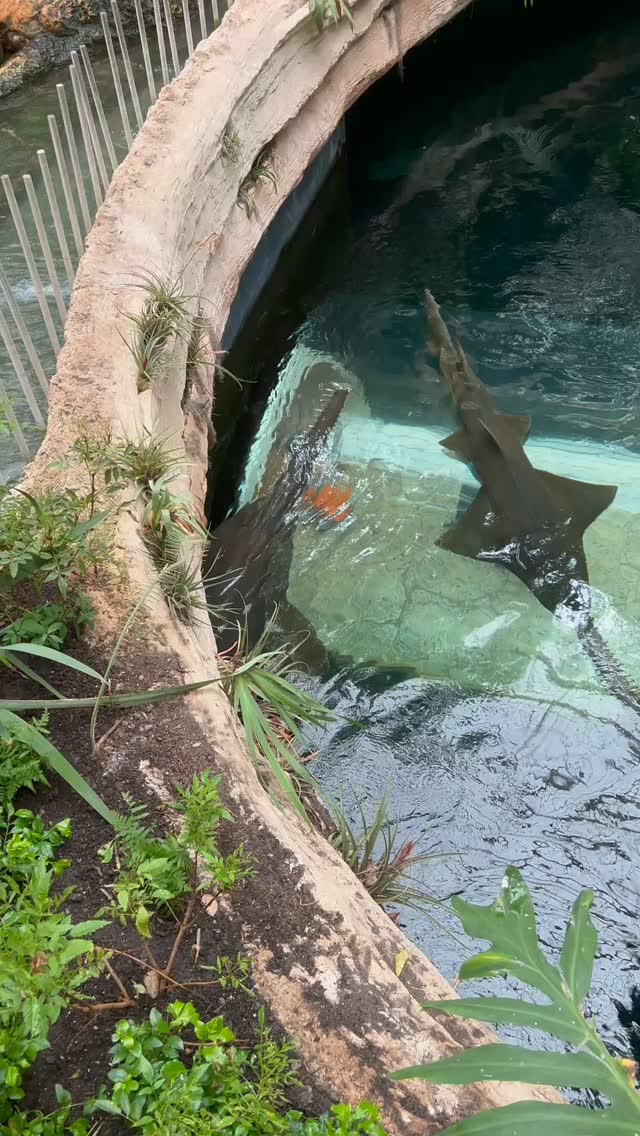
- The transition from the canopy to the cenote and its ecological significance
- The diverse flora and fauna of the treetops and the sinkholes
- The importance of conservation efforts in these ecosystems
- How human interactions impact these delicate habitats
- Educational experiences and sustainable tourism opportunities at DWA
At DWA, visitors begin their exploration high in the treetops, where vibrant life flourishes among the branches. This journey moves downwards to the cenote, an ancient sinkhole that serves as a critical aquatic environment. Understanding this transition is essential for grasping the interconnectedness of ecosystems.
The canopy is often regarded as one of the most biodiverse areas on Earth. Towering trees reach toward the sky, while vines and epiphytes weave a dense tapestry of life. Here, species such as toucans, spider monkeys, and an array of insects thrive. This diverse congregation is primarily made possible by the unique structure of the canopy. Its layers create niches that provide habitats for various organisms. For example, the upper layer receives abundant sunlight, which allows photosynthesis to occur at an efficient rate, supporting a multitude of plant species. These plants, in turn, offer food and shelter to countless animal species.
Transitioning down to the cenote offers a different yet equally rich environment. Cenotes are natural sinkholes formed by the collapse of limestone bedrock, often filled with freshwater. These bodies of water are unique ecosystems teeming with life that showcases the adaptability of aquatic organisms. Species such as sawfish and sharks might seem out of place in a sinkhole, yet they have adapted to these environments over centuries. Their presence suggests a complex food web, illustrating predator-prey relationships and nutrient cycling that sustain life within the cenote.
Both the canopy and cenote are integral parts of the larger ecosystem. They interact dynamically; for example, the nutrients from decaying vegetation in the trees can eventually seep into the water, enriching the aquatic environment. This nutrient exchange is crucial in maintaining biodiversity. Each layer supports a variety of organisms that rely on one another for survival, creating a delicate balance.
Conservation efforts are vital in both the treetops and the cenote. Deforestation, urban development, and pollution have increasingly threatened these fragile ecosystems. Educational initiatives play a significant role in raising awareness about the importance of these environments. Sustainable tourism practices can further help protect these areas. By engaging with local communities and encouraging responsible behavior among visitors, organizations like DWA actively work to promote stewardship of the environment.
Human interactions can have both positive and negative consequences. For instance, eco-tourism programs can support conservation efforts by providing funding for preservation activities. Conversely, careless tourism can lead to habitat degradation. It is crucial for visitors to understand their impact when exploring these ecosystems. By following guidelines set forth by conservation groups, individuals can enjoy these spaces while ensuring their protection for future generations.
The educational experiences offered at DWA serve as vital platforms for promoting ecological awareness. Interactive programs allow participants to immerse themselves in the diverse life found in both the canopy and the cenote. These experiences contribute to a growing understanding of the ecological importance of these environments. Visitors not only learn about the species they encounter but also about the ecological interactions that sustain them.
Innovative programs often include guided tours, informative talks, and hands-on activities. These approaches help demystify the natural world, engaging a broader audience. Learning from professionals in zoology and wildlife conservation can enrich the overall experience. This form of engagement can inspire a deeper appreciation for biodiversity and foster a commitment to preserving it.
The variety of species in the canopy is staggering. Over 50% of the Earth’s terrestrial plants and animals can be found in these rich, vertical layers. The fundamental roles of pollinators, such as various butterfly species, are significant in maintaining the health of many plants. Nearby, rare orchids might rely on these pollinators, highlighting the interconnectedness of all life.
Meanwhile, cenotes serve not only as water sources but also as breeding grounds for species. Their freshwater ecosystems support a mix of fish and amphibians that thrive in specific conditions. The balance of salinity and nutrients can influence species composition and abundance. Conservationists closely monitor these conditions to ensure they remain suitable for aquatic life.
Additionally, research in these habitats offers valuable insights into biodiversity and ecosystem health. By studying species interactions and environmental conditions, scientists can identify ways to protect these ecosystems. Long-term monitoring programs provide critical data vital for making informed conservation decisions.
In today’s climate, the urgency of addressing environmental concerns cannot be understated. Climate change, habitat loss, and invasive species create challenges that require immediate attention. Regions like the canopy and cenote face pressure from these global issues. With educated and engaged citizens, solutions to these challenges become more attainable.
The juxtaposition of the canopy and cenote creates a fascinating study of contrast and harmony in ecosystems. Each environment demonstrates resilience, showcasing adaptation and survival strategies in the face of adversity. Observing this connection helps highlight the fragility of life and the pressing need to advocate for protection efforts.
As visitors journey from the treetops to the cenote, they gain a comprehensive understanding of these environments. Opportunities to engage with experts provide life-changing perspectives that deepen concern for the planet. Education and hands-on experiences play crucial roles in empowering individuals to take action.
At DWA, the journey does not end with the tour. The organization connects participants with ongoing conservation efforts, emphasizing that ecological stewardship is a continuous process. By participating in initiatives, volunteers contribute their time and energy towards preserving these vital habitats.
In sum, DWA offers a unique perspective on the journey from the canopy to the cenote. Each environment is rich with biodiversity and importance. Understanding these ecosystems can foster a commitment to conservation efforts, ensuring that the beauty and complexity of life continue to thrive for generations to come.
Visiting such interconnected environments provides opportunities for both education and inspiration. The experience serves as a reminder that every action can significantly impact the ecosystems we encounter. By promoting awareness and engagement, we pave the way for a more sustainable interaction with our natural world.
DWA embodies the essence of ecological exploration, emphasizing the significance of the landscapes above and below ground. The canopy and cenote are more than just destinations; they represent a journey through interconnected ecosystems that sustain life. Their preservation is imperative for a healthy planet. Each layer, whether within the treetop or beneath the water’s surface, plays a crucial role in this intricate dance of existence.
The phrase “from the canopy to the cenote” encapsulates the essence of biodiversity and interconnectedness. It inspires visitors to appreciate the beauty of these habitats and their inhabitants. Committed efforts in education and conservation can help ensure that these ecosystems continue to thrive amidst the challenges they face.
*****
Source Description
From the canopy to the cenote. 🌿🌊
At DWA, your journey starts in the treetops and ends in an ancient sinkhole—home to sawfish, sharks, and a view like no other.
