
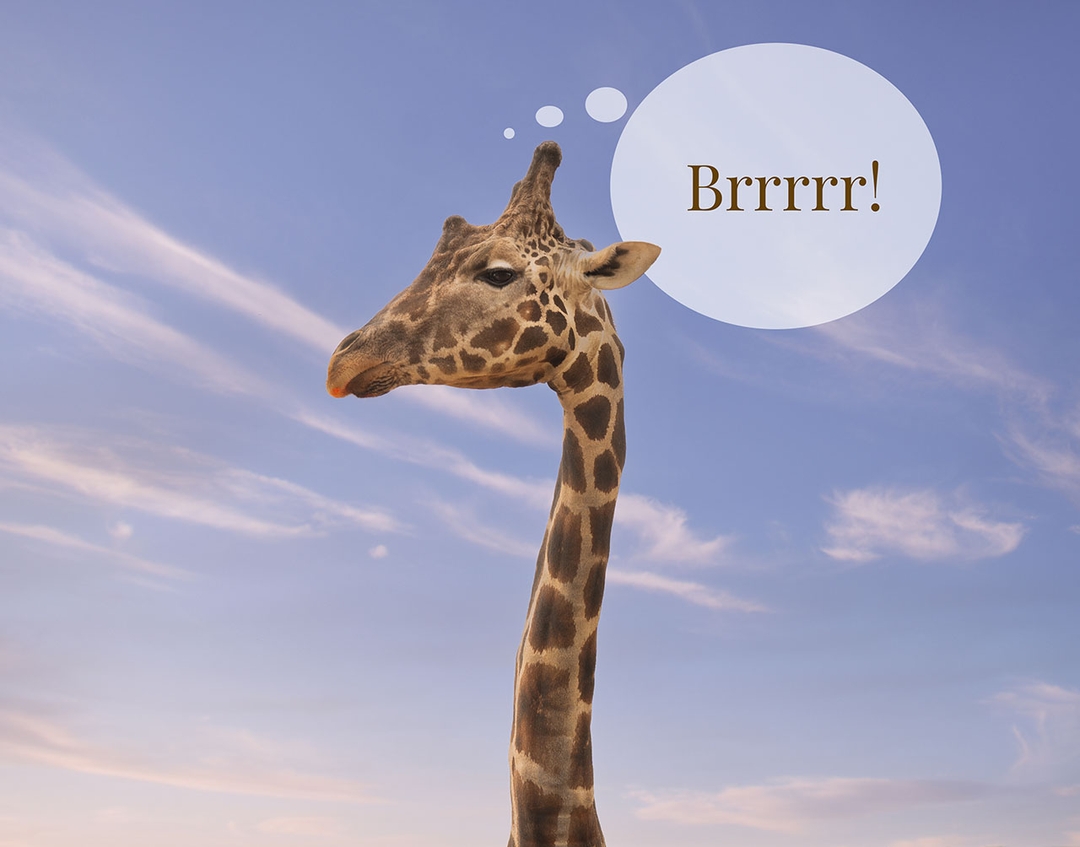
- Importance of Climate Control in Zoos
- The Role of Animal Welfare in Cold Weather
- Personalized Animal Interactions: A Year-Round Experience
- The Science Behind Animal Comfort in Captivity
- Conservation Education and Visitor Engagement
Zoos play a crucial role in providing a safe environment for animals, and climate control is pivotal in ensuring their well-being. In managing facilities like Longneck Manor, it’s essential to keep in mind the needs of each species, especially during extreme weather conditions. A month ago, visitors would have seen our giraffes and rhinos battling freezing temperatures. On the contrary, today they bask in the warmth of the sun, illustrating the effectiveness of climate control measures.
Beyond comfort, the welfare of animals is a primary focus at Longneck Manor. When temperatures drop below a certain threshold—such as the “feels like” temperature hitting 40 degrees Fahrenheit—our African species, like the giraffes, tend to prefer staying inside. Thus, we have developed a state-of-the-art heated barn where they can stay cozy and comfortable. The barn is equipped not just to shield them from harsh weather, but also to mimic their natural habitat as closely as possible. This attention to detail aids in their physical and psychological health.
Animal welfare extends beyond merely providing warmth. It encompasses a comprehensive approach that includes diet, space, social interaction, and mental stimulation. During cold spells, our staff maintains regular routines to engage the animals. They provide toys and enrichment activities inside the barn, allowing for both physical exercise and cognitive challenges. Our giraffes showcase their intelligence and curiosity by interacting with these enrichment tools, reinforcing the belief that a zoo can rigorously support its residents, even when the weather outside is uninviting.
Personalized animal interactions remain a cornerstone of our visitor experience, regardless of climate. Even in winter, our dedicated zookeepers offer tailored sessions where guests can engage with our residents inside their heated enclosures. This setup allows visitors an up-close look at the animals without compromising their comfort. Engaging with the public through educational talks and direct experiences reinforces both the visitors’ understanding and appreciation of wildlife.
The comfort of our animals is rooted in science. Research indicates that temperature extremes can cause stress to wildlife, leading to alterations in behavior and health. Various species of animals have specific temperature tolerances. For instance, giraffes are adapted to tropical climates, thus making them particularly sensitive to cold. Understanding these needs is critical for any zoo management team. At Longneck Manor, we continuously monitor indoor environments, ensuring they meet optimal conditions for our residents. Observations include temperature, humidity, and ventilation, all tailored to cultivate a healthy indoor atmosphere.
Part of our mission includes a hefty emphasis on conservation education. By showcasing how animals react to seasonal changes, we impart lessons on biodiversity and the impacts of climate change. Engaging our visitors in learning about the natural behaviors and habitats of our animals fosters a sense of responsibility toward wildlife conservation. Visitors leave with a deeper understanding of the delicate balance within ecosystems and the importance of protecting these environments.
Our giraffes stand tall in their enclosures, showcasing their striking frame. Every one of them thrives with engaging interactions, from munching on leaves to reaching out toward guests. Likewise, our crash of rhinos flourishes with the support of specialists who tailor their dietary needs and behavioral enrichment. Monitoring their growth, health, and overall condition is pivotal to ensuring they adapt well, fostering humane minds in our staff.
In terms of funding and resources, state-of-the-art facilities like our heated barn require considerable investment. The benefits, however, extend far beyond immediate comfort. Successful conservation programs depend on effective animal care practices. By investing in quality facilities, we not only enhance the lives of our giraffes and rhinos but also ensure that visitors experience the richness of wildlife firsthand. In return, they may feel compelled to support broader conservation initiatives.
Seasonal changes facilitate unique opportunities for education. While winter restricts many of our outdoor activities, the indoor interactions allow us to focus on specific educational themes. Presentations feature ecological topics, animal adaptations, and conservation efforts. By informing visitors about how animals cope with climate adversity, we shed light on larger environmental challenges.
The role of animal welfare during inclement weather is central to maintaining the intrinsic values held by zoos. From reducing stress related to temperature exposure to encouraging beneficial social behaviors, cold-weather practices create a safe and healthy habitat. Cold environments underscore the importance of providing adequate shelter, appropriate nutrition, and social interaction. In designing living spaces, it is essential to consider behavioral cues and preferences, ensuring that all species can thrive.
Moreover, tailored training regimens reinforce positive behaviors among our animals. Zookeepers implement consistent reinforcement techniques during personalized interactions, fostering trust between humans and animals. Initiatives such as these engage animals in a way that builds their confidence in interacting with caregivers. The relationship between humans and animals plays a significant role in fostering an understanding of wildlife.
Research in animal psychology enhances our practices, showing that even familiar environments become challenges during extreme weather. The design of our facilities should accommodate this variability. Notably, both giraffes and rhinos exhibit behavioral adjustments when exposed to temperature fluctuations. Keeping indoor environments engaging and comfortable is essential for the species’ long-term health.
Furthermore, the staffing at Longneck Manor undergoes rigorous training in best practices for animal care, particularly in winter months. Staff learn about the nuances of species-specific needs and how to transition between outdoor and indoor settings smoothly. Educated staff play a critical role in ensuring the well-being of all animals, offering tailored care based on individual observations.
In addition to animal care, community outreach forms an essential component of our activities. Educational workshops inform the broader public about our animal management strategies, fostering support for conservation activities. Through these initiatives, individuals gain invaluable insights, becoming advocates for wildlife preservation.
Longneck Manor isn’t just a haven for animals; it serves as an educational platform for conservation and sustainability. By focusing on welfare, we draw attention to the interconnectedness of ecosystem health, species interactions, and the impacts of climate change. These initiatives aim to cultivate a sense of stewardship among visitors, inspiring them to become informed advocates for wildlife.
The adaptability of animals is fascinating. As we continue to observe our giraffes and rhinos, we gain deeper insights into how they thrive under various conditions. Each observation contributes to our collective understanding of animal behavior, enriching the narrative around conservation efforts.
Educational programs also highlight how climate change influences wildlife. Such discussions delve into critical themes, relating back to how zoos like Longneck Manor contribute to the global conversation about environmental stewardship. By emphasizing these connections, we help bridge the gap between human activity and animal welfare.
Fostering an appreciation for wildlife requires innovative approaches and dedicated efforts. In winter months, our facility utilizes not only indoor spaces but also virtual platforms to reach wider audiences. By engaging through webinars and online talks, we can communicate our conservation messages to those unable to visit in person.
Longneck Manor strives to incorporate feedback from both animals and visitors, fostering a rewarding experience. This ongoing dialogue enhances our commitment to animal welfare and conservation education. Each interaction contributes to a more profound connection between our visitors and our animals, bridging gaps in understanding and fostering respect for all species.
A month ago, our giraffes and rhinos faced severe cold temperatures, but now they flourish under the warmth of the sun. By focusing on the welfare of these magnificent animals, we not only cultivate a safe habitat, but we also promote conservation efforts that resonate with visitors. Our success hinges on a blend of education, compassion, and informed practices, supporting a future where wildlife and humans coexist harmoniously.
*****
Source Description
You’d never know that a month ago we were battling freezing temps. Our tower of giraffes and our crash of rhinos are grateful to be out in the sunshine again. Our guests are, too!
At Longneck Manor, we go the extra mile to ensure our long-legged friends are cozy and comfortable all winter long! We have a state-of-the-art heated barn and when the “feels like” temp hits 40, our African ambassadors definitely prefer to stay inside.
Cold weather doesn’t eliminate our personalized animal interactions. It simply moves them inside — where EVERYONE is more comfortable.
