
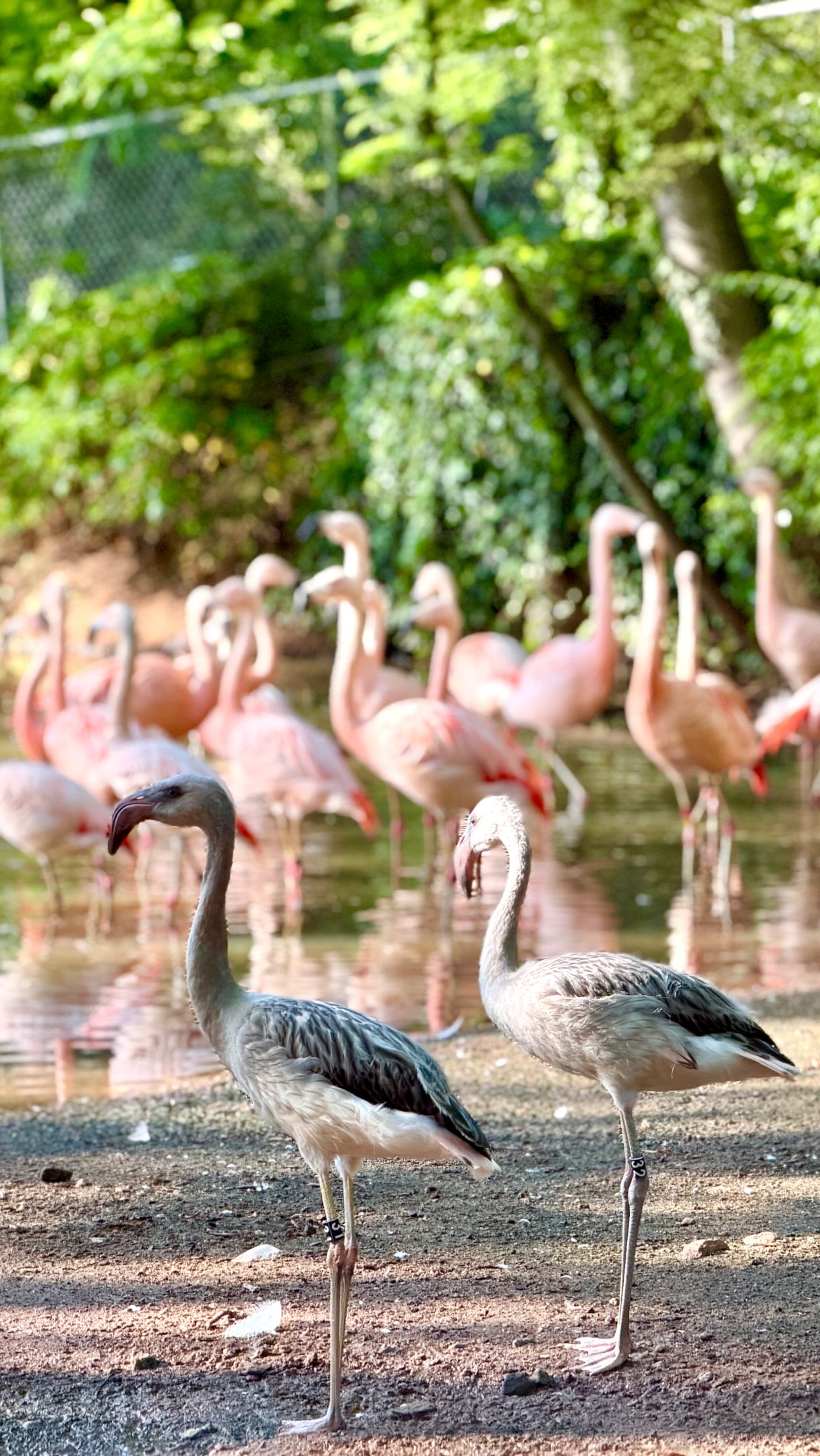
- The life cycle and development of flamingos at zoos and their specific needs during this phase
- The role of animal care specialists in raising and nurturing flaminglets
- The importance of social structures within flamingo species and their integration into flocks
- Conservation efforts and the significance of breeding programs for flamingos
- The impact of public engagement in wildlife education and conservation
The transition from hatchling to adult is a critical journey, particularly for species like flamingos. Flaminglets, or young flamingos, experience distinct stages of growth, each requiring specific care and environmental conditions. These birds, specifically Maple and Pancake, went from wobbly chicks to social members of their lagoon environment at the Greenville Zoo. Understanding their life cycle can provide insights into their needs and behaviors, offering a foundational knowledge vital for effective conservation measures.
In zoos, flamingo care involves a detailed approach to matching the specific needs of developing chicks. Initially, flaminglets are hatched with gray plumage, nearly devoid of the vibrant colors that characterize adult flamingos. This coloration changes as they mature, fed on a diet that includes algae and crustaceans rich in carotenoids—elements vital for their pigmentation. Animal care specialists monitor their dietary intake closely, ensuring that they receive the right balance to promote optimal health and rapid growth.
The animal care specialists play an essential role in the development of flaminglets like Maple and Pancake. These individuals are trained in avian husbandry and understand the complex requirements necessary for raising birds in a zoo environment. The hands-on experience gained over months of nurturing not only promotes optimal physical growth for flaminglets but also fosters socialization skills crucial for their future. Specialists engage with the chicks through feeding, daily care routines, and environmental enrichment activities. Engaging young flamingos in these enriching experiences is paramount. It helps develop their natural behaviors and prepares them for the challenges of fitting into an established flock structure.
Flamingos are inherently social creatures. In the wild, they often form large colonies that provide social structure and breeding opportunities. The integration of flaminglets into these flocks is an essential aspect of their development. Flaminglets learn from their peers and adopt behaviors necessary for long-term survival, such as flocking patterns, feeding techniques, and social interactions. The recent release of Maple and Pancake into the lagoon marked a significant milestone, not just for their growth but for their ability to adapt and thrive within a community of adult flamingos.
Understanding the social dynamics of flamingos and the importance of group living cannot be overstated. Their interactions help establish hierarchies and mating behaviors that are crucial for species propagation. With adult flamingos behaving as role models, young flaminglets learn how to communicate and socialize through vocalizations and physical gestures, gaining vital skills for both integration and success within a flock.
To understand the role of zoos, one must consider the impact of breeding programs and conservation initiatives. Many flamingo populations are endangered due to habitat loss, pollution, and hunting. Zoos play a pivotal part in not only preserving these species through controlled breeding programs but also in educating the public about their plight. The conservation efforts extend beyond mere animal husbandry to include engaged education that raises public awareness about issues affecting wild flamingo populations.
The release of flaminglets into the lagoon was a poignant moment for both the specialists and visitors. This activity showcases not only the successful behind-the-scenes work of the care team but also aligns with broader conservation goals. Public engagement in these programs is vital. It helps link the visitors’ experience to global conservation efforts, inspiring them to take action in their communities. Education programs, tours, and interactive displays further emphasize the relationship between zoos and wildlife conservation.
Zoos act as vital centers for scientific research. Studying the behavior and needs of young flamingos in a controlled environment leads to important data that can inform conservation strategies in the wild. Understanding how flamingos adapt to changes in their environment can help tailor conservation efforts to specific challenges these species face in natural habitats.
The integration of technology into zoo operations has also improved care for flamingos, including the medical and scientific aspects. Enhanced monitoring systems allow animal care specialists to track the health and behaviors of flaminglets like Maple and Pancake. This technological advancement leads to a deeper understanding of their habits and enables timely intervention for any health issues that may arise.
The narrative of Maple and Pancake is more than a delightful tale of growth; it represents an opportunity for public engagement and education. Their journey embodies the hope for future generations of flamingos and highlights the ongoing challenges these fascinating birds face. Educational initiatives in zoos provide visitors with a chance to connect emotionally with wildlife, fostering a sense of responsibility for preserving our planet’s biodiversity. Zoos are stepping stones in creating awareness for conservation efforts that extend far beyond their walls.
As we observe flaminglets like Maple and Pancake waddle toward adulthood, the cycle of life in the zoo continues. Their growth symbolizes the potential for wildlife populations to rebound through meticulous care and effective conservation efforts. Each flamingo reveals a story, and every interaction with the public creates a broader narrative that speaks to the urgency of wildlife conservation.
Fostering connections with wildlife encourages active participation in conservation initiatives. Visitors are inspired to learn more about habitat conservation, climate change, and the intricacies of different species, all stemming from their interactions with young flamingos. These connections act as gateways that can lead to advocacy and support for broader environmental issues. By understanding the lifecycle and importance of flamingos, one can appreciate the larger ecosystem and the interconnectedness of all living beings.
Through collaborative efforts involving zoos, researchers, and the public, the future for flamingos and similar species can become more promising. Conserving biodiversity benefits humanity as well. The health of ecosystems supports agricultural systems, purifies air and water, and mitigates the effects of climate change.
In this spirit, flaminglets like Maple and Pancake not only represent the success of zoo management and care but also the hope for a more harmonious relationship between humans and wildlife. As they thrive in their lagoon, each wobbly step echoes the commitment shared by conservationists, animal lovers, and the general public—a collective effort aimed at fostering a sustainable coexistence with nature. The journey of flaminglets from hatching to adulthood underscores the importance of our role in safeguarding vulnerable species and preserving the delicate balance of ecosystems.
*****
Source Description
Just like that 🫰🏼🦩💗 @greenvillezoo flaminglets, Maple and Pancake, went from hatchlings to wobbly chicks to members of their flock. This week, animal care specialists, who have been hand raising and cuddling the fluffy girls for the past 7 months, released them into the lagoon.
🥹 Getting older, baby. They really do grow up too fast.
