
- Importance of Gardening for Wildlife: Benefits and Ecological Impact
- Selection of Native Flowering Plants for Effective Wildlife Gardening
- Creating Small-Scale Habitats: Balcony and Container Gardens
- The Role of Pollinators and Birds in Biodiversity
- Practical Tips for Starting and Maintaining a Wildlife Garden
Gardening for wildlife is a rewarding endeavor that promotes ecological balance and biodiversity. By creating habitats that attract pollinators and birds, gardeners can support the intricate web of life in their own backyards. This practice is especially pertinent in May, a month renowned for blossoming flowers after April showers. Recognizing May as Gardening for Wildlife Month underscores its significance in nurturing environmental health.
The choice of plants plays a pivotal role in establishing a thriving wildlife garden. Native flowering plants like cardinal flowers, blue lobelia, asters, milkweed, and beebalm serve as essential resources for pollinating insects and birds. These plants offer nectar, pollen, seeds, and sometimes shelter, fostering a vital connection between flora and fauna. Selecting native species is crucial as they are best adapted to the local climate, ensuring resilience and compatibility with indigenous wildlife.
Creating habitats for wildlife doesn’t necessarily require expansive spaces. Even small urban balconies or compact pots can become thriving mini-ecosystems. For city dwellers, this presents an opportunity to engage with nature and contribute to conservation efforts without needing a traditional garden. By incorporating a variety of plants in containers, individuals can support pollinators and contribute positively to environmental sustainability.
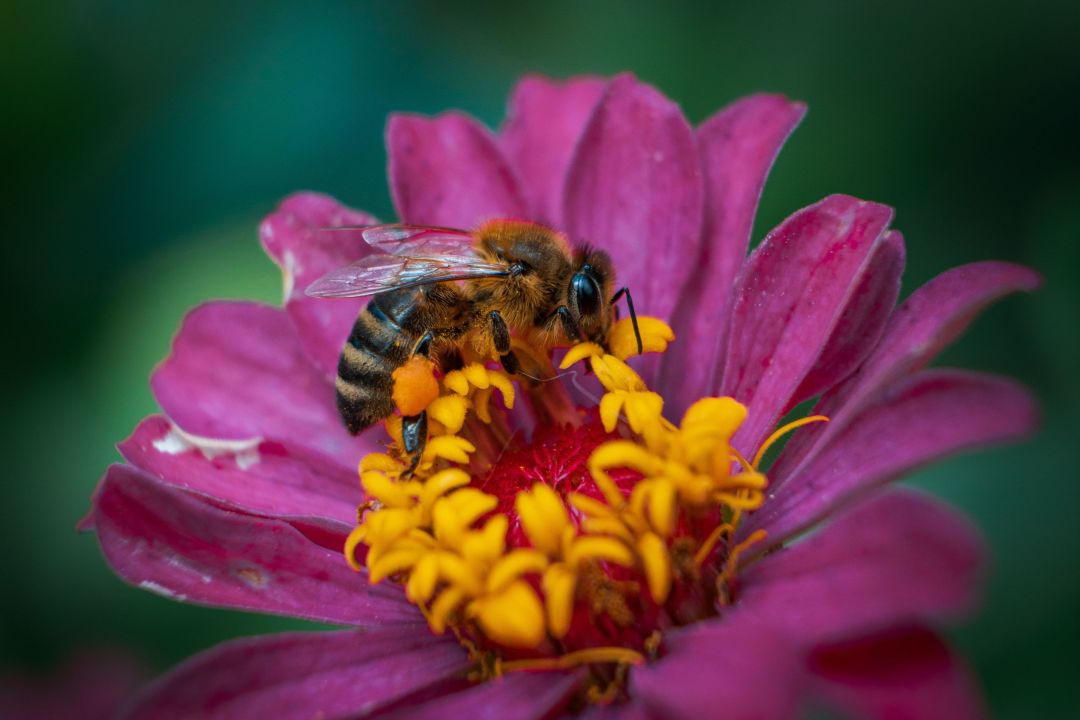
Pollinators such as bees, butterflies, and birds like hummingbirds are integral to the process of pollination, which is vital for plant reproduction. These wildlife visitors facilitate the production of seeds and fruits, maintaining biodiversity. Through responsible gardening, individuals can offer a sanctuary for these creatures, which are essential for the ecological balance and the continuation of various plant species.
Starting a wildlife garden involves understanding local ecosystems and selecting appropriate plant species. It is important to avoid pesticides and chemical fertilizers that can harm beneficial insects. Providing diverse plant structures and a water source can further attract wildlife. Observing and adapting to the changing needs of the garden ensures ongoing success and a hospitable environment for visiting creatures.
By prioritizing wildlife-friendly gardening practices, individuals contribute to the conservation of biodiversity and the health of the planet. This effort goes beyond aesthetic value, serving as a fundamental aspect of environmental stewardship, offering tangible benefits to ecosystems, and fostering a meaningful connection with nature. Through conscientious plant selection and habitat creation, anyone can take part in this impactful initiative, bringing wildlife to their doorstep and enriching biodiversity.
*****
Source Description
It’s time for May flowers after all those April showers! May is Gardening for Wildlife month! 🌷🪻🦋
When gardening for Wildlife, it doesn’t always have to take up a lot of space. Some simple pots on your balcony will bring Wildlife to your door. What is important is the plants you choose.
Native flowering plants are best for pollinators and birds, providing nectar, seeds, and sometimes shelter. Start with cardinal flowers, blue lobelia, aster, milkweed, or beebalm. 🐝🪴
Get out there and get blooming!
@VisitOneidaCounty
