
- The importance of wildlife conservation and the role zoos play in protecting species like rhinos.
- Unique behavioral traits of rhinos, focusing on Marshall’s interaction with enrichment activities.
- The significance of enrichment for captive animals and how it impacts their well-being.
- The ethical considerations and best practices in zoo management.
- The challenges rhinos face in the wild and how conservation efforts are addressing these issues.
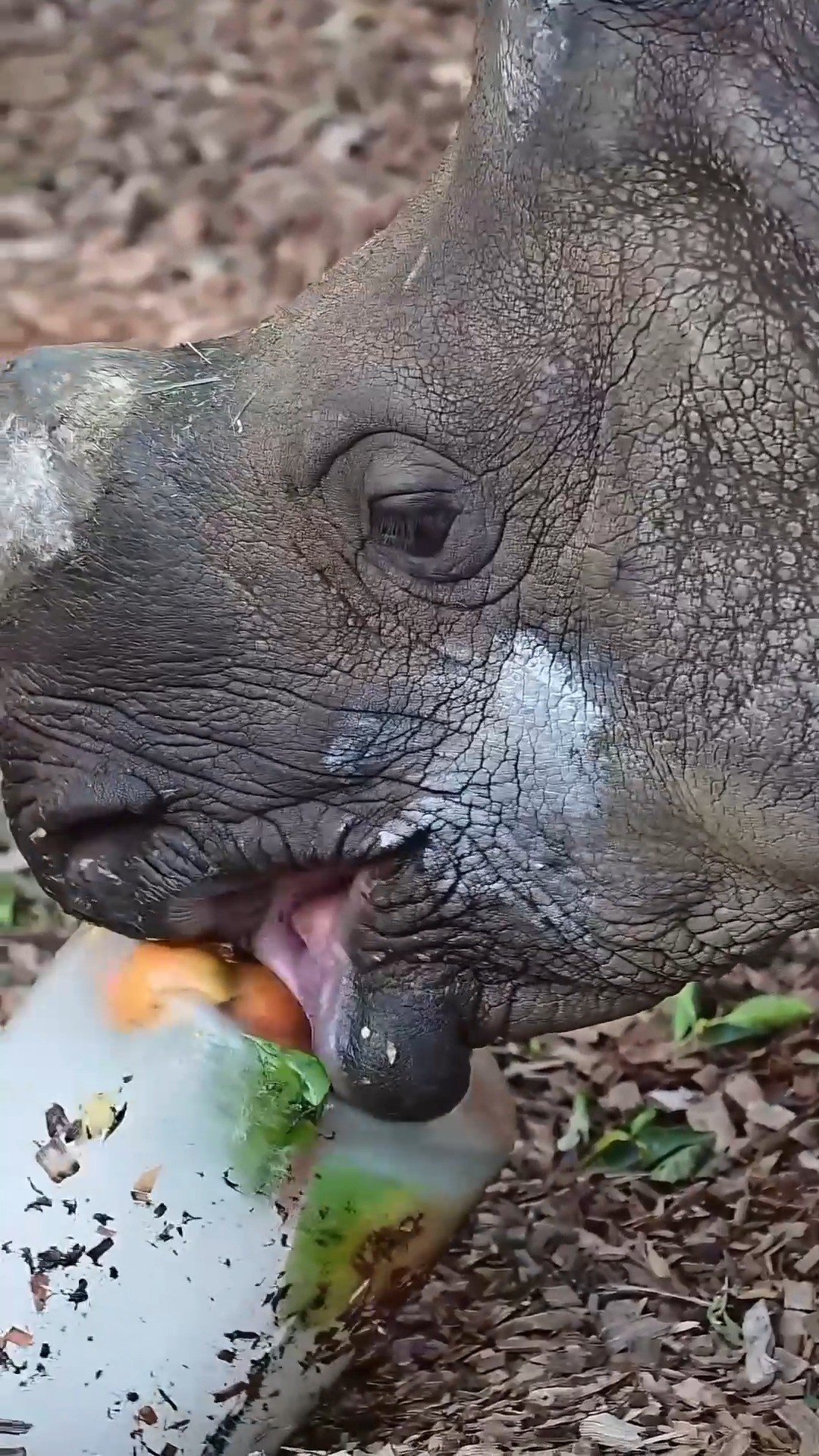
Marshall, a gentle giant rhino, has captured hearts with a simple act—enjoying a fruity popsicle. This adorable moment highlights critical themes in wildlife conservation, zoo management, and animal welfare. Zoos play a crucial role in protecting endangered species like rhinos by providing safe habitats and breeding programs essential for their survival. This is especially vital for rhinos, which face numerous threats in the wild, including poaching and habitat loss.
In zoos, understanding rhino behavior is essential to ensuring their health and happiness. Rhinos, like Marshall, exhibit unique traits and interactions with their environment. Observing a rhino savor a popsicle might seem mundane, but it reflects a deeper understanding of these animals by their caretakers. Enrichment activities, such as providing novel treats, play a vital role in promoting natural behaviors and psychological stimulation.
Enrichment is more than just entertainment for animals like Marshall. It’s a scientifically-backed component of zoo management that improves animal welfare. Providing varied and stimulating experiences helps maintain physical health and prevents the development of stereotypical behaviors often seen in captive animals. This practice highlights the commitment of modern zoos to the holistic care of their inhabitants.
Ethical considerations in zoo management are pivotal to maintaining the trust and support of the public. Zoos must balance educational missions with the best interests of their animals. Facilities invest in cutting-edge research and collaborations with global conservation initiatives, setting standards for ethical captivity and wildlife protection.
Wild rhinos face numerous challenges, including poaching due to high demand for their horns and the encroachment of their natural habitats. Conservation efforts are diverse, ranging from anti-poaching patrols to community outreach and education. Sanctuaries and protected reserves play a critical role in ensuring the survival of these majestic creatures. Efforts like these require international cooperation and innovative solutions to safeguard rhinos for future generations.
Incorporating enrichment activities into zoo life mirrors the larger efforts to address the problems rhinos face outside captivity. By nurturing an appreciation of these animals through engaging and humane zoo practices, we foster a greater understanding and support for worldwide conservation.
Marshall’s enjoyment of a popsicle is a small yet poignant reminder of the vitality, resilience, and beauty of wildlife. His simple pleasure emphasizes the importance of continued efforts both in and out of the zoo to ensure that rhinos remain a living, thriving part of our world.
*****
Source Description
Rhino-t gonna lie… this is the cutest video you’ll see all day!
Just a gentle giant (Marshall) enjoying a big fruity popsicle. 🦏🍧
