
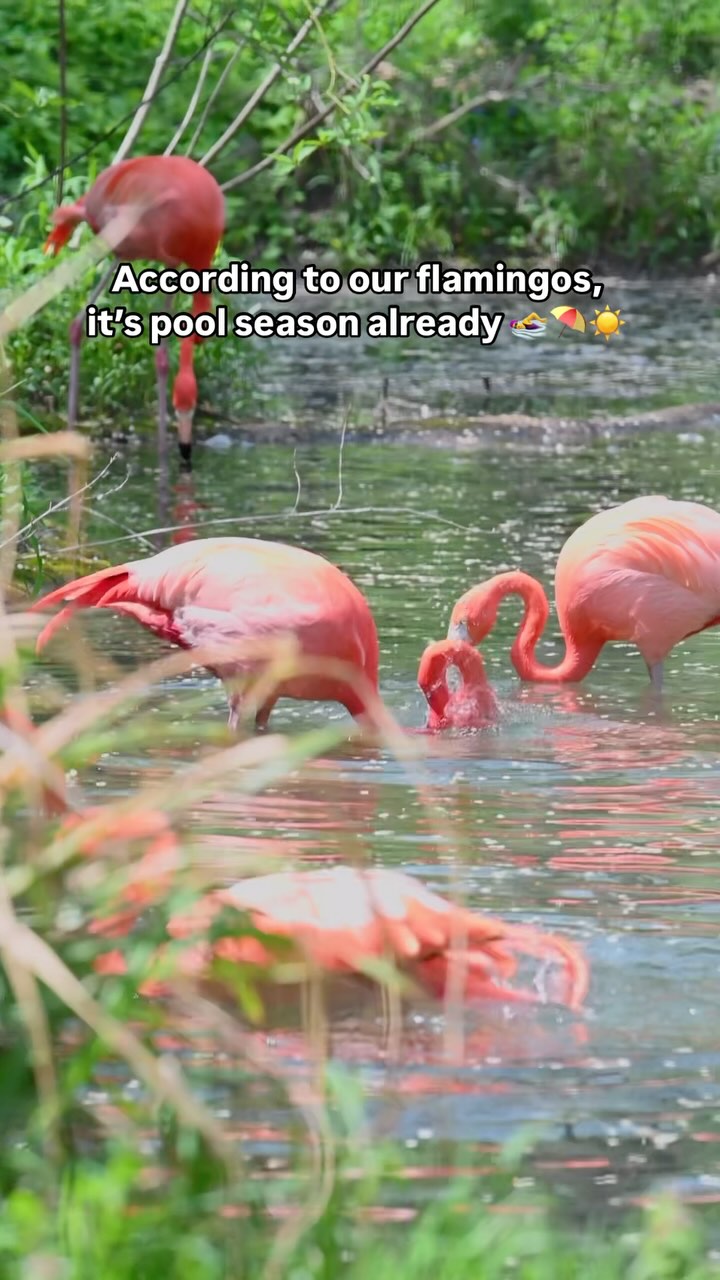
- The significance of seasonal changes in animal behavior and habitat.
- How warmer days influence animal diets and reproductive cycles.
- The role of zoos and wildlife conservation in supporting species during changing seasons.
- Strategies for wildlife management and public participation in conservation efforts.
- The interconnectedness of climate change, animal health, and biodiversity.
As temperatures rise and the days lengthen, a transformation occurs in nature that directly influences animal behavior and ecosystem dynamics. Animals respond to these seasonal changes in various remarkable ways. From migrations to hibernation cycles, the natural world showcases a rhythm profoundly tied to climatic shifts. For example, many species, including migratory birds, adjust their movement patterns in accordance with warmer temperatures, often arriving at breeding grounds earlier than previously recorded. Such shifts reflect the broader phenomenon of climate change and its implications for species survival.
The dietary needs of animals also adjust with the seasons. Many herbivores, like deer and elephants, find ample food supply as vegetation flourishes in spring and summer. Meanwhile, carnivores often increase their activity to hunt prey that is abundant during warmer days, when animals are more active. Changes in animal diets can have cascading effects on ecosystems, influencing plant growth and soil health.
Reproductive cycles are significantly impacted by rising temperatures. Many species time their reproductive activities with seasonal availability of resources. For instance, amphibians often breed during wet seasons to ensure that their offspring have the water necessary for development post-hatching. Warmer days can disrupt these cycles, leading to mismatches in food availability and predator-prey dynamics, potentially endangering species that cannot adapt quickly enough to such changes.
In this context, the role of zoos and wildlife conservation organizations becomes crucial. These institutions are not only places for public education but also serve as sanctuaries and breeding programs for endangered species. By maintaining genetic diversity and providing controlled environments, zoos can help populations withstand seasonal shifts and the stresses of climate change. They create breeding programs that account for changing temperatures, ensuring that species can thrive even as their natural habitats alter.
Public participation in wildlife conservation is more important than ever, especially during transitional seasons. Community engagement fosters a sense of stewardship towards local fauna and flora. Programs that encourage citizen science allow individuals to contribute valuable data on local wildlife, assisting researchers in tracking animal behavior and health. These efforts are essential in identifying trends that indicate how species are adapting to climate changes, providing early warning systems for those that may be in peril.
The interconnectedness of climate change, animal health, and biodiversity is pivotal to understanding how warm weather affects the natural world. Rising temperatures can lead directly to habitat loss, increased disease prevalence, and altered migration patterns, all of which pose risks to biodiversity. For example, coral reefs are particularly vulnerable. Even slight increases in water temperature can lead to coral bleaching, threatening innumerable species that rely on these ecosystems for survival.
Moreover, animal health is affected by warmer days. Species adapted to specific temperature ranges may struggle to cope as conditions change. For example, amphibians are exceptionally sensitive to temperature fluctuations, which can lead to declines in their populations. Increased temperatures typically facilitate the spread of pathogens that can wreak havoc on immunocompromised populations. Monitoring animal health and adapting management strategies in zoos and wildlife reserves is thus crucial for species resilience.
Zoos can implement various strategies to protect animals during warmer months. Providing shade, hydration systems, and dietary adjustments helps mitigate the heat’s impact on animal welfare. Enrichment activities that stimulate natural behaviors can keep animals physically and mentally engaged, which is particularly essential during hot days when they may exhibit lethargy.
Additionally, conservation programs are increasingly addressing climate resilience within ecosystems. Innovative practices such as habitat restoration and species reintroduction programs are aimed specifically at creating more adaptable environments for wildlife. By restoring native vegetation and fostering biodiversity, these efforts seek to create buffers against the adverse effects of climate change.
In fostering a public appreciation for wildlife, education plays a vital role. Various programs teach visitors about local species and their ecological roles while highlighting the effects of seasonal changes. Community outreach initiatives help garner support for conservation efforts, making ecosystems more resilient collectively.
Active engagement during warmer days also has a significant impact on human-animal interactions. Awareness campaigns can inform the public about how to coexist with local wildlife, especially as animals shift their behaviors in response to seasonal changes. This can include understanding nesting cycles or migration patterns, which can help reduce human-wildlife conflicts.
Citizens can contribute to conservation efforts by participating in local wildlife surveys, reporting unusual animal behavior, and volunteering at local conservation initiatives. Building a community dedicated to wildlife can make a significant difference as climate change continues to pose challenges to biodiversity.
The impact of warmer days on the natural world underscores the urgent need for effective wildlife management strategies. With climate change escalating, ongoing adaptation measures must be prioritized to safeguard species that are vulnerable to shifting environmental conditions.
In closing, it is imperative that we recognize the intricate links between warmer days and the health of our ecosystems. Understanding the seasonal changes in animal behavior, their dietary needs, and reproductive cycles gives us invaluable insights into our wildlife and their management. Through collective efforts in conservation and education, we can support the incredible diversity of life that thrives on our planet. As we prepare for warmer days, engagement in conservation practices will serve not just animals but will also enrich our own lives and foster a deeper connection with the natural world.
*****
Source Description
Are you ready for warmer days? We sure are! 🦩☀️⛱️
