
- Anatomy and Functionality of Suction Cups
- Grip Strength and Its Implications
- Ecological and Zoological Significance
- Behavioral Insights and Adaptations
- Conservation and the Giant Pacific Octopus
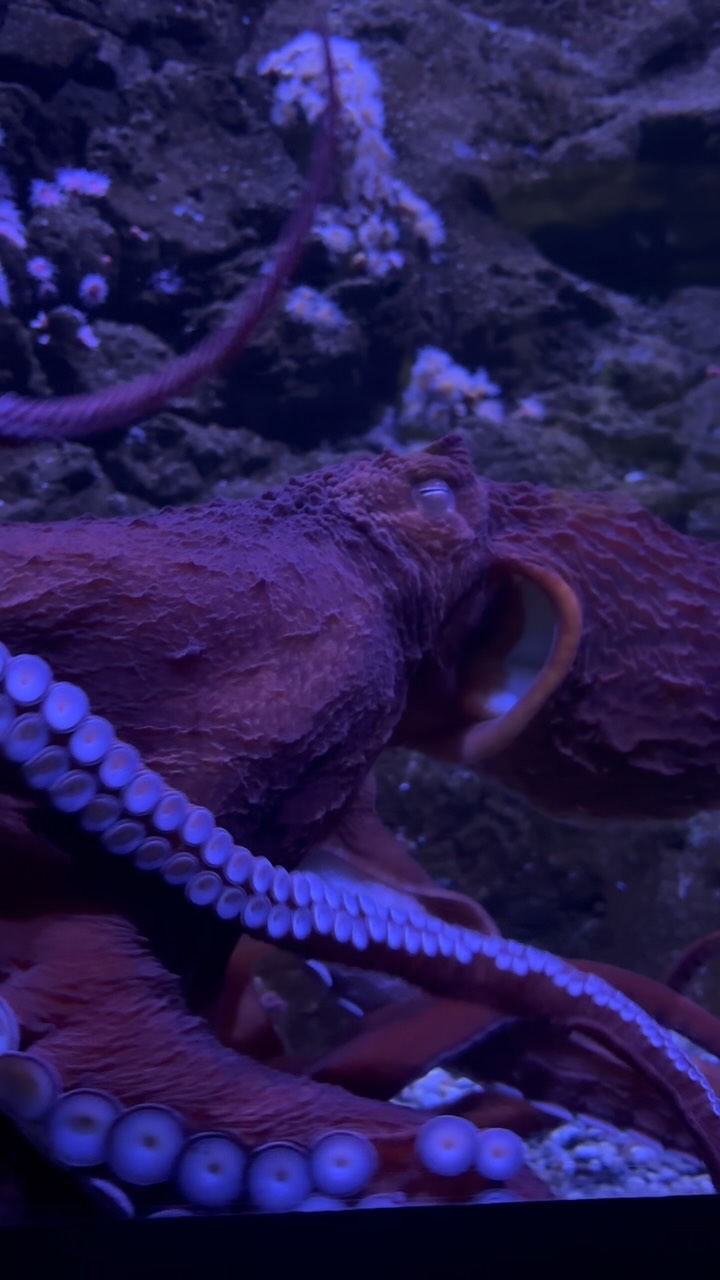
The Giant Pacific Octopus is an awe-inspiring marvel, displaying extraordinary grip strength through a fascinating anatomical feature: its suction cups. Each arm of this cephalopod hosts about 280 suckers, adding up to more than 2,000 over its entire body. Remarkably, a single large suction cup can hold up to 35 pounds. With the combined grip strength of all its suction cups exceeding ten tons, it offers a compelling study in marine biology that extends beyond its physical prowess to its ecological significance and conservation needs.
The suction cups of the Giant Pacific Octopus are feats of natural engineering. Composed of strong, flexible musculature, each cup creates a vacuum when muscles draw their soft, concave centers against surfaces. This mechanism, driven by hydraulic principles, allows the octopus to exert substantial pressure on objects and even its slippery underwater environment. Beyond simple adherence, these suckers are sensory organs. They can taste and feel, providing detailed information about the texture, chemical composition, and even the temperature of objects, which aids in foraging and exploring their surroundings.
Understanding the grip strength of the Giant Pacific Octopus sheds light on its survival tactics. The immense strength is not just for holding onto prey or resisting ocean currents but also plays a crucial role in its defensive strategies. When threatened, it can clasp onto rocks or other sturdy surfaces with a force that deters predators. This grip capability also extends to manipulating objects, showcasing their intelligence through problem-solving skills such as opening jars or extracting prey from challenging locations. The grip strength highlights their role as effective predators and masters of their domain.
The ecological and zoological importance of Giant Pacific Octopuses is significant. As apex predators, they help balance marine ecosystems by regulating the populations of the species they prey upon. Their remarkable grip strength allows them to capture a variety of prey, from crabs to mollusks. Studying this species aids in understanding aquatic food webs and the health of oceanic environments. Further, their abundance and behavior can serve as indicators of ocean health, reflecting changes due to pollution or climate variations.
Behavioral adaptations in the Giant Pacific Octopus underscore their survival expertise. The dexterity afforded by their powerful, flexible arms facilitates a range of activities, from constructing rock dens to displaying complex mating rituals. Octopuses demonstrate intelligent decision-making, often seen in their ability to escape enclosures or solve puzzles in laboratory settings. Their capacity to learn and adapt is linked to their sophisticated nervous systems, much of which is distributed among their arms, emphasizing the importance of their grip strength in interaction and exploration.
Conservation efforts for the Giant Pacific Octopus focus on habitat preservation and pollution reduction. Understanding their role within the marine ecosystem is crucial for devising strategies to protect them from overfishing, habitat destruction, and climate change. Educating the public about their ecological value and promoting sustainable fishing practices can help safeguard their populations. Conservationists emphasize the importance of legislations and marine protected areas to help maintain the delicate oceanic balance where these cephalopods thrive.
The Giant Pacific Octopus, with its impressive grip strength, serves as both a subject of scientific fascination and an essential component of marine ecosystems. Its remarkable abilities highlight broader themes in biodiversity, environmental health, and the importance of conserving our oceanic treasures. Through education and proactive conservation efforts, we can help preserve these incredible creatures for future generations.
*****
Source Description
Giant Pacific Octopuses have some seriously impressive grip strength! 🐙💪
Just one of their bigger suction cups can hold up to 35 pounds. And get this, each arm has around 280 suckers, times that by 8 (for their 8 arms, obviously!) and they can have over 2,000 suction cups total! When you put it all together, their combined grip strength is over ten tons. Imagine that! 🤯
