
-
The physical adaptation and behavior of giant river otters that facilitate their aquatic agility and diving prowess.
-
The ecological role of giant river otters in their native habitats and their impact on the ecosystem.
-
The challenges giant river otters face due to habitat destruction and human activities, and the conservation efforts to protect them.
-
The role of zoological institutions in the study and conservation of giant river otters.
-
Educational initiatives and public engagement in promoting awareness about giant river otters and wildlife conservation.
Giant river otters, known scientifically as Pteronura brasiliensis, are dynamic aquatic mammals native to South America. These sleek creatures are a marvel to observe, particularly when they dive and twirl gracefully within their watery environments. Their adaptations, ecological roles, and conservation are critical topics in understanding their survival and interaction with ecosystems.
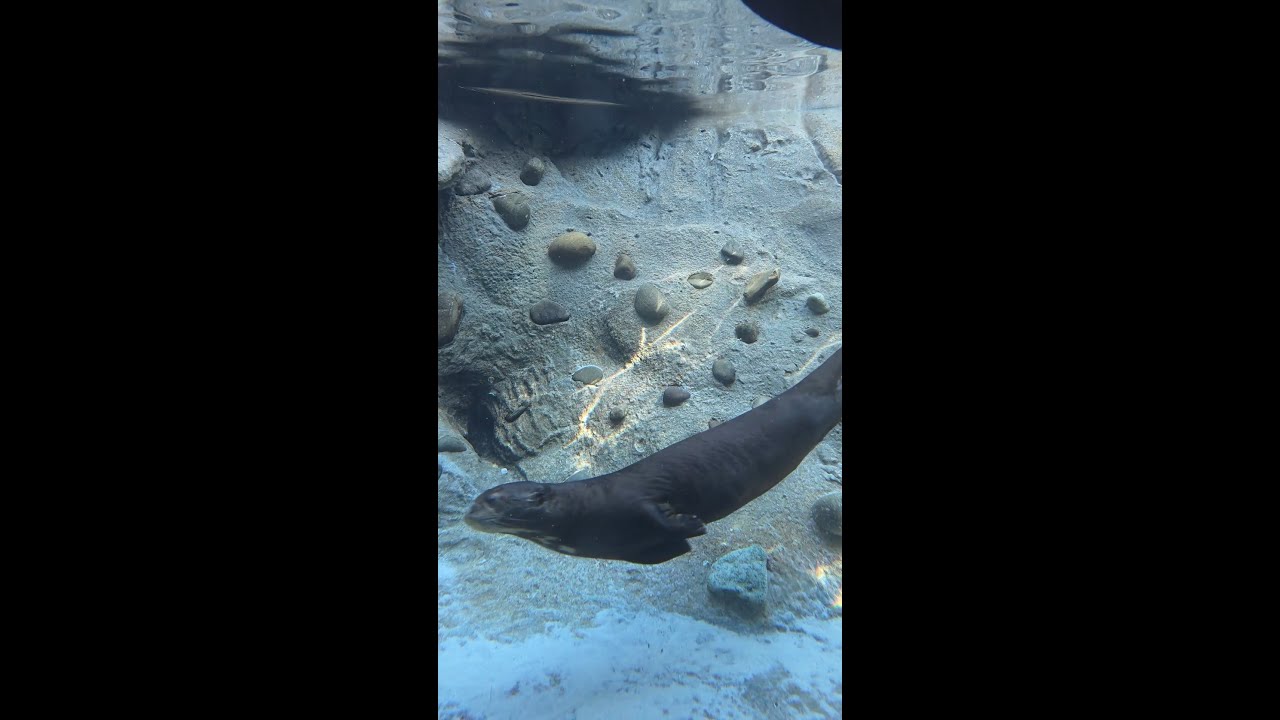
The physical characteristics of giant river otters are beautifully evolved for their aquatic lifestyle. With streamlined bodies reaching up to six feet in length, they are the largest otters globally. Their powerful tails and webbed feet assist in swift propulsion through water, while their dense, water-repellent fur offers insulation and buoyancy control. These traits enable them to execute complex maneuvers, such as diving and twirling, with exceptional agility. Their eyes and ears are positioned atop their heads, maintaining sensory awareness even when mostly submerged, a feature that illustrates their fine-tuning to riverine habitats.
Ecologically, giant river otters serve as apex predators within their freshwater environments. They predominantly consume fish, but their diet also includes crustaceans and small mammals. By managing fish populations, they help sustain a balanced aquatic ecosystem, preventing overpopulation of certain species which could lead to ecological imbalances. Their presence often indicates a healthy water system as they require clean, abundant resources for sustenance.
Giant river otters face numerous challenges that threaten their existence, primarily habitat destruction and pollution. Expanding agricultural activities lead to deforestation and water contamination, which degrade their habitats. Additionally, illegal hunting for their pelts, though reduced, still poses a threat. These impacts have caused their populations to decline, prompting urgent calls for conservation interventions.
Conservation efforts for giant river otters involve a multifaceted approach. Organizations work on restoring natural habitats by reforesting riverbanks and implementing sustainable land use practices to preserve vital ecosystems. Legal protections are enforced against hunting, and initiatives are underway to improve water quality in their habitats. International collaborations have led to the development of protected areas and reserves, aiming to provide safe havens for these otters.
Zoological institutions play a pivotal role in the conservation and study of giant river otters. These facilities offer controlled environments where researchers can study otter behavior, physiology, and breeding patterns. Such research provides invaluable insights necessary for crafting effective conservation strategies. Zoos also serve as educational platforms, raising public awareness through exhibits that highlight the otters’ natural behaviors, including their captivating dives and twirls.
Educational initiatives bolster conservation by engaging the public and fostering a sense of stewardship. Programs aimed at local communities, particularly in regions near otter habitats, are crucial for developing sustainable coexistence strategies. Schools and environmental groups collaborate on projects to educate children and adults alike, emphasizing the importance of biodiversity and conservation.
Giant river otters are not only fascinating animals due to their physical prowess and ecological significance but also symbols of the wider environmental challenges and triumphs. Understanding their behavior, role within ecosystems, and the efforts required to protect them provides a broader perspective on wildlife conservation. Through public education and engagement, combined with scientific research and strategic conservation efforts, the future of the giant river otter can be secured, ensuring these magnificent creatures continue to thrive in their natural habitats.
*****
Source Description
🦦 Check out some aquatic acrobatics from our giant river otters—Thor, Matteo, and Yeyuno!
Their sleek bodies, powerful tails, and webbed feet allow them to easily glide and flip through the water 🏊
