
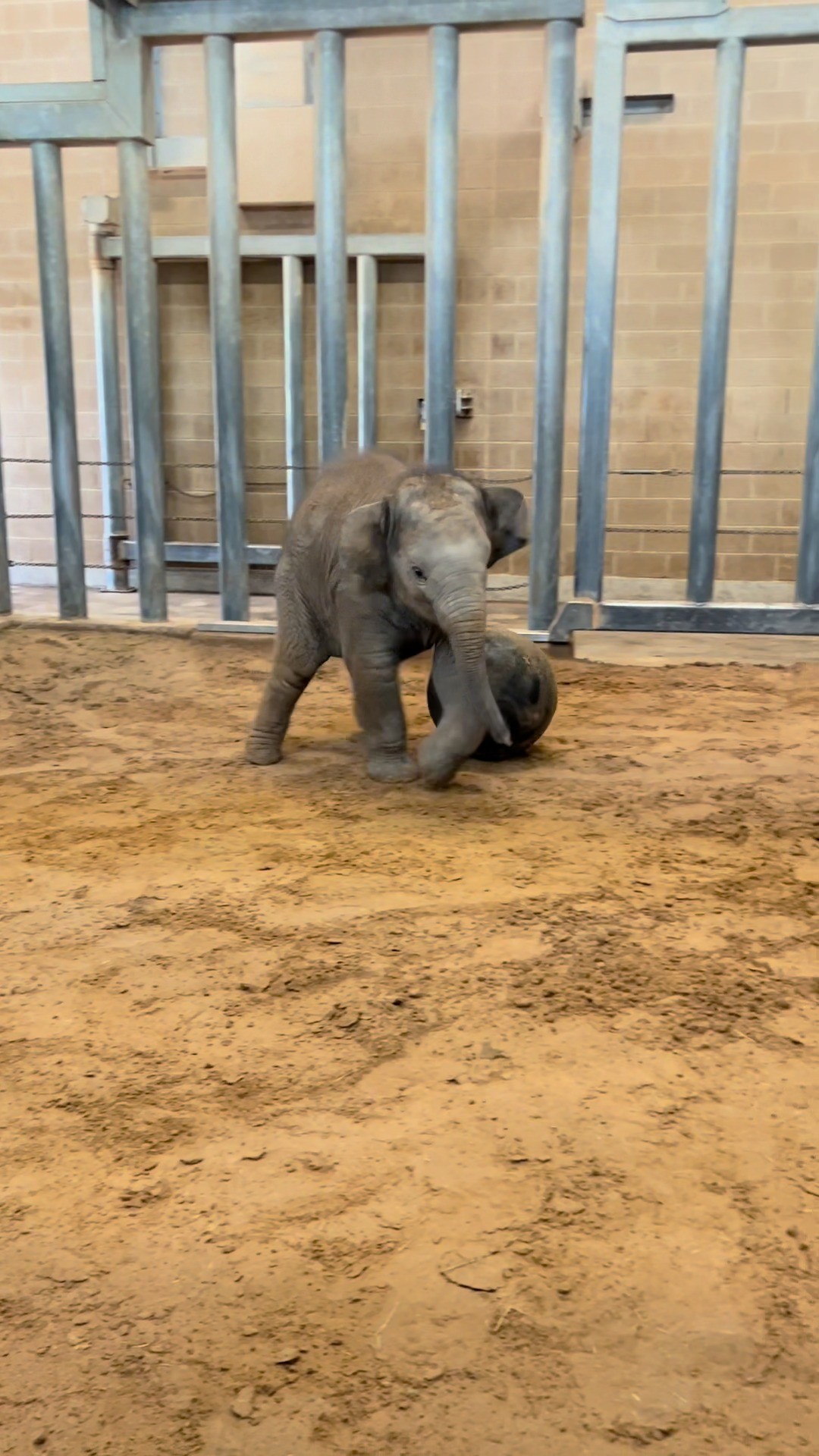
- The significance of animal behavior in training and development.
- Insights into animal welfare and management practices.
- The role of play in animal development and socialization.
- Conservation implications related to training and engagement.
- The impact of social media on wildlife awareness and community engagement.
Animal behavior plays a crucial role in the development and training of wildlife. Observing these complex interactions allows wildlife experts to devise effective methods for fostering learning and skills in animals. Take "Go, Kirby, Go! We’ve got a future soccer star in our herd." The phrase evokes a vibrant image of a young animal developing its abilities through play. We’re specifically witnessing animal behavior in action. Harry, a young capybara, is not just chasing a ball; he’s also engaging in a series of instinctual behaviors that help with social structure and communication.
Animal training and behavior studies began centuries ago. Effective training often relies on creating positive associations. Animal trainers implement various techniques to ensure that the animals develop functional behaviors in both wild and controlled environments. In the example of Kirby, his playful antics as he chases after a soccer ball showcase not only the animal’s natural inclinations but also the innovative methods used by trainers to facilitate skill development. Research indicates that play behavior is a vital component of learning. Animals learn social cues and survival skills through these playful interactions.
The welfare of the animals is a critical consideration in zoo management strategies. Institutions like zoos focus on creating environments that replicate natural settings to foster species-typical behaviors. This practice is essential for the physical and psychological well-being of these animals. By prioritizing welfare through enriched environments, zookeepers can promote natural behaviors while maintaining healthy populations. For example, providing capybaras with opportunities to forage, socialize, and engage in water play can minimize stress and enhance their overall health.
Play is integral to animal development, as it allows younger animals to practice essential life skills. The follow-the-leader dynamic seen in many species underscores the role of social play in learning. In this case, Kirby takes cues from his environment, learning not just to chase but to engage socially with his human caretakers. Observations from animal behavior studies highlight that social interaction serves as both practice and reinforcement for survival skills. Whether through physical activity or social bonding, play contributes to a well-rounded animal capable of thriving in its environment.
Observations like the one displayed in “Go, Kirby, Go!” hold broader implications for conservation. Training methods for animals in controlled settings, such as zoos, can be replicated in conservation efforts aimed at restoring species to their natural habitats. Techniques such as positive reinforcement go hand-in-hand with efforts to rehabilitate and reintroduce animals into the wild. Each successful instance of training ensures the animal adopts necessary skills that improve its chances of survival away from human intervention.
Social media platforms benefit the zoo community and the animals they showcase by raising awareness around wildlife conservation issues. Videos like “Go, Kirby, Go! We’ve got a future soccer star in our herd” capture public interest and create dialogue around species and habitats needing preservation. Their viral nature can mobilize resources and encourage public participation in conservation programs. Engaging the community in this way can shift the focus toward conservation priorities, presenting a united front for animal welfare and habitat preservation.
The impact of play and training on animal behavior cannot be overstated. As animals like Kirby develop skills through play, they also forge social bonds that enhance community structures within their species. Techniques applied in modern animal management not only ensure individual well-being but also contribute to the overall health of populations. As young animals engage with their environment, they establish frameworks that support learning and socialization.
Real-world applications of animal training navigate both the welfare needs of individual animals and broader conservation initiatives. Wildlife meetings often focus on distilling critical experiences from captive animals to enhance training protocols used in conservation efforts. Important lessons emerge when observing playful behaviors in structured settings. These observations can carry over into programs aimed at ensuring the survival of endangered species.
The nexus of social media and wildlife conservation continues to blossom. Engaging the public through captivating stories and visuals highlights the importance of community in driving conservation efforts. Videos like “Go, Kirby, Go!” radiate positivity and shed light on the work being done behind the scenes. This connection transforms the public’s view of wildlife from distant subjects into relatable entities deserving of attention. The emotional pull of shared experiences amplifies awareness and commitment to conservation goals.
Animal welfare is a cornerstone for successful training practices. Each interaction designed to encourage productive behavior fosters an environment where animals feel safe and empowered. A focus on harnessing natural instincts plays a critical role in training programs. Educating the public on the importance of humane practices furthers knowledge about the ethical treatment of animals.
Despite the challenges faced in zoological settings, advancements in animal management continue to evolve. Collaborative efforts among behaviorists, veterinarians, and conservationists create more efficient and informed care practices. These combined efforts pave the way for more effective education regarding animal training limitations and opportunities.
Through programs that highlight behavioral learning, institutions contribute significantly to overall conservation efforts. The role of play is integral, as it prepares younger animals for the unpredictable nature of life. Each interaction works in tandem to reinforce positive behaviors that reflect essential skills necessary for survival. The more engaging the training atmosphere, the more likely animals will develop into competent adults.
Thus, keeping animals like Kirby stimulated through behavioral practices offers greater benefits than merely promoting entertainment. Captivating a public audience can inspire future generations to join conservation efforts. Awareness raised through social media means that conservation messages can reach larger audiences, fostering respect for wildlife and the basic ecological principles that guide their existence.
In summary, observing vibrant interactions like those in “Go, Kirby, Go! We’ve got a future soccer star in our herd” allows us to appreciate the significance of animal training, behavioral development, and engagement in conservation efforts. As animal management practices become more refined, understanding animal welfare, the importance of play, and the unique relationship between wildlife and humans will become indispensable tools in wildlife conservation.
*****
Source Description
Go, Kirby, Go! We’ve got a future soccer star in our herd.
