
- The significance of great ape births in zoos for species conservation.
- Overview of the great ape baby boom at the L.A. Zoo, featuring current births.
- Details on the social structures and care within great ape species.
- The role of zoos in educating the public about wildlife and conservation issues.
- Future implications of increased great ape populations in captivity.
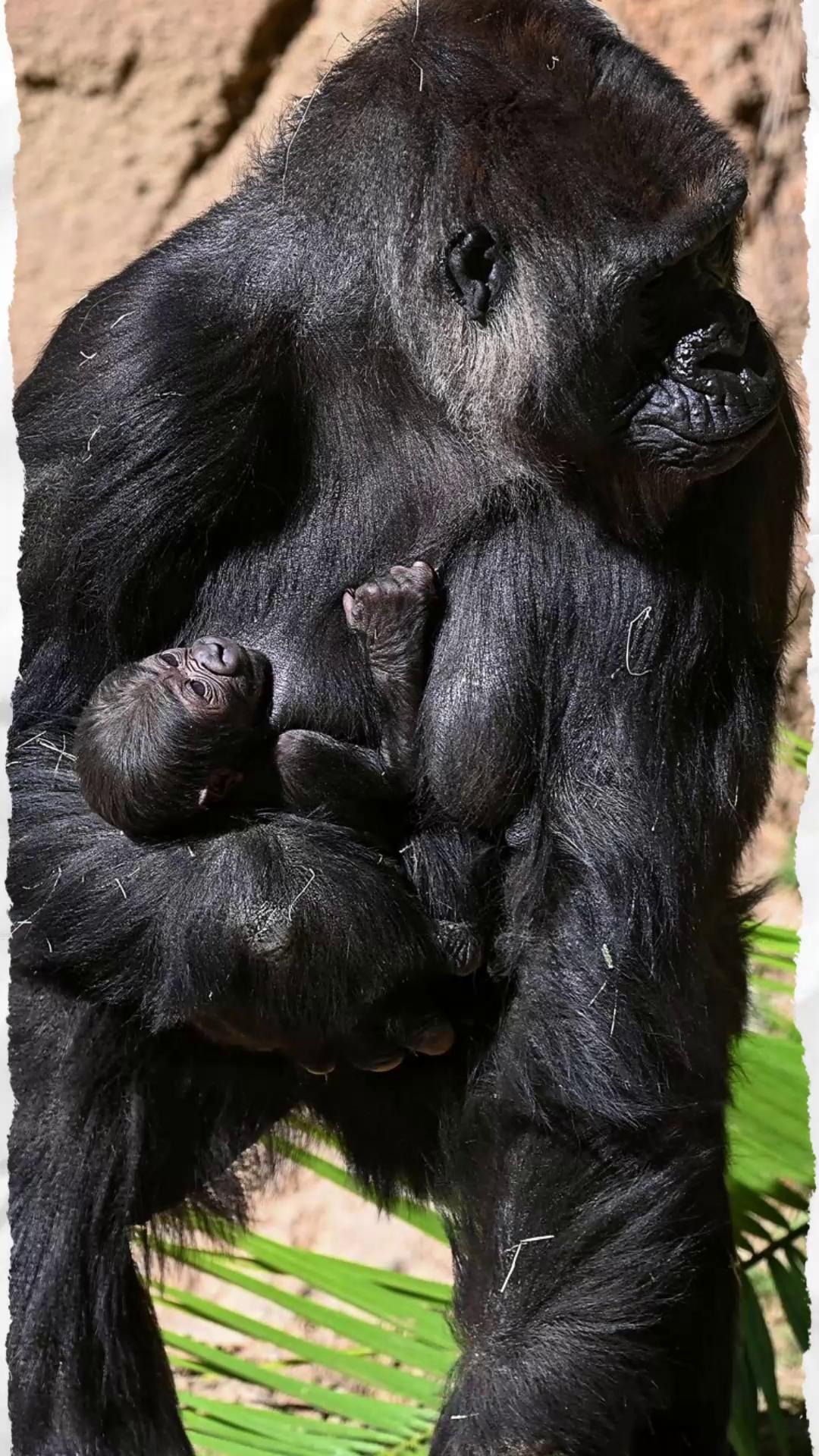
The recent announcement from the Los Angeles Zoo celebrates a significant event: a baby boom among great apes. This delightful news highlights the birth of five great ape infants in just four months—a female gorilla, three chimpanzees, and a Bornean orangutan. The births are more than just joyful occasions; they represent crucial developments in the ongoing efforts to conserve endangered species.
Great apes, including gorillas, chimpanzees, orangutans, and gibbons, face numerous threats in the wild. Deforestation, poaching, and habitat destruction have led to declining populations across various species. The birth of these infants provides hope and emphasizes the importance of management practices in zoological institutions. Through dedicated breeding programs, zoos play an essential role in ensuring the survival of these charismatic species.
The L.A. Zoo’s current great ape baby boom showcases the importance of these births. Zoos worldwide face the challenge of maintaining genetic diversity while managing breeding programs. Each of the five new arrivals contributes to these conservation efforts, enhancing the genetic pool and aiding in the continuation of their respective species. This evolution serves a dual purpose: it helps foster a stable population in captivity while educating the public about the importance of preserving these endangered animals in their natural habitats.
The social structures of great apes are complex. In the wild, they exhibit rich social lives filled with intricate interactions. For instance, chimpanzees live in communities known as troops, where social bonds are formed and maintained through grooming and communication. Gorillas typically travel in family groups led by a dominant silverback male, who plays a critical role in the protection and cohesion of the group. Bornean orangutans, on the other hand, are more solitary but still demonstrate social affinity during feeding and nesting.
In zoos, the care for these infants involves attentive and informed staff. The care team must carefully observe each species’ natural behaviors to replicate their social structures and environments. For instance, during infancy, maternal care is paramount in both chimpanzees and gorillas. Zookeepers monitor interactions, allowing infants to bond with their mothers while also facilitating interactions with other members of their species to ensure healthy social development.
The birth of great ape infants also serves as a pivotal platform for public education and awareness about conservation issues. The L.A. Zoo offers programs that engage visitors, providing insights into the lives of these incredible creatures. By highlighting the plight of great apes and promoting the importance of biodiversity, the zoo fosters a connection between the public and wildlife, encouraging advocacy for conservation initiatives.
Furthermore, educating the public about great apes can inspire action, whether in the form of donations, volunteering, or simply raising awareness among friends and family. The role of zoos has evolved significantly over the years, transitioning from entertainment-focused facilities to vital conservation centers. The L.A. Zoo’s recent events illustrate this commitment to education and stewardship, aligning its mission with species preservation and ecological sustainability.
Looking to the future, the rise in great ape populations in facilities like the L.A. Zoo presents opportunities and challenges. On one hand, increasing numbers can support a thriving, healthy species within a controlled environment. On the other hand, it compels zoos to manage space, ensure genetic diversity, and constantly reassess their breeding strategies to align with conservation goals.
Successful management of great ape populations necessitates collaboration between zoos, wildlife organizations, and researchers. Programs that facilitate knowledge sharing about best practices in animal care and breeding can enhance the overall effectiveness of conservation efforts. Additionally, zoos can play a role in reintroducing species to their natural habitats, depending on the species’ recovery status and available resources.
The Great Ape Baby Boom at the L.A. Zoo underscores the significance of these births not just as individual accomplishments, but as crucial contributions to global conservation efforts. The emotional resonance of new life enhances engagement with communities, inspiring future generations to advocate for wildlife conservation.
Caring for great apes requires a multifaceted approach that integrates behavioral science, habitat enrichment, and wellness programs. Zookeepers employ strategies to stimulate mental and physical activity, which is vital for the health and wellbeing of these intelligent animals. Such practices mimic the challenges encountered in the wild, promoting natural behaviors and reducing the likelihood of stress-related issues.
Moreover, the ongoing advancements in veterinary care enable staff to monitor growth and health closely, ensuring each infant’s thriving development. Veterinary teams work meticulously to address potential health issues, employing preventative care to ensure longevity. This focus on health, behavioral enrichment, and social dynamics creates a supportive environment for the burgeoning great ape populations.
The integration of technology also plays a role in contemporary zoo management. Zoos like L.A. focus on data collection and behavioral observation using video surveillance, enabling staff to gain insights into the routines and social interactions of great apes. These advancements contribute to greater knowledge surrounding their needs, allowing for enhanced care and management practices.
The significance of the great ape baby boom cannot be understated. These births serve as a demonstration of successful conservation efforts while reinforcing the necessity for continued research, advocacy, and community involvement in wildlife preservation.
As the L.A. Zoo celebrates its recent arrivals, it also catalyzes action within broader conservation circles, highlighting challenges faced by great apes in the wild. The plight of these animals reflects larger environmental issues, such as habitat conservation and the impact of climate change on biodiversity.
Zoos increasingly embrace their role as educators and conservationists. Engagement with local communities, schools, and policymakers cultivates a strong network of support that extends beyond the animal enclosure. The stories of these five new great ape babies will inspire countless individuals to care about wildlife conservation, fostering a sense of responsibility for the planet and its diverse inhabitants.
Overall, the five babies born at the L.A. Zoo—three chimpanzees, a Bornean orangutan, and a gorilla—highlights the interconnectedness of wildlife preservation and public education. The excitement surrounding this great ape baby boom symbolizes hope, underscoring the importance of animal care, conservation initiatives, and community involvement. The birth of each baby signifies not just the continuation of great ape species but also a commitment to ensuring future generations understand and value the essential roles these magnificent creatures play in our world.
*****
Source Description
It’s a Great Ape Baby Boom at the L.A. Zoo! 🍼
Yesterday’s announcement of the arrival of a gorilla baby brings the great ape baby boom to FIVE in just the last four months! Here’s a highlight of the five youngsters. The babies include three chimpanzees, a Bornean orangutan, and a gorilla.
