
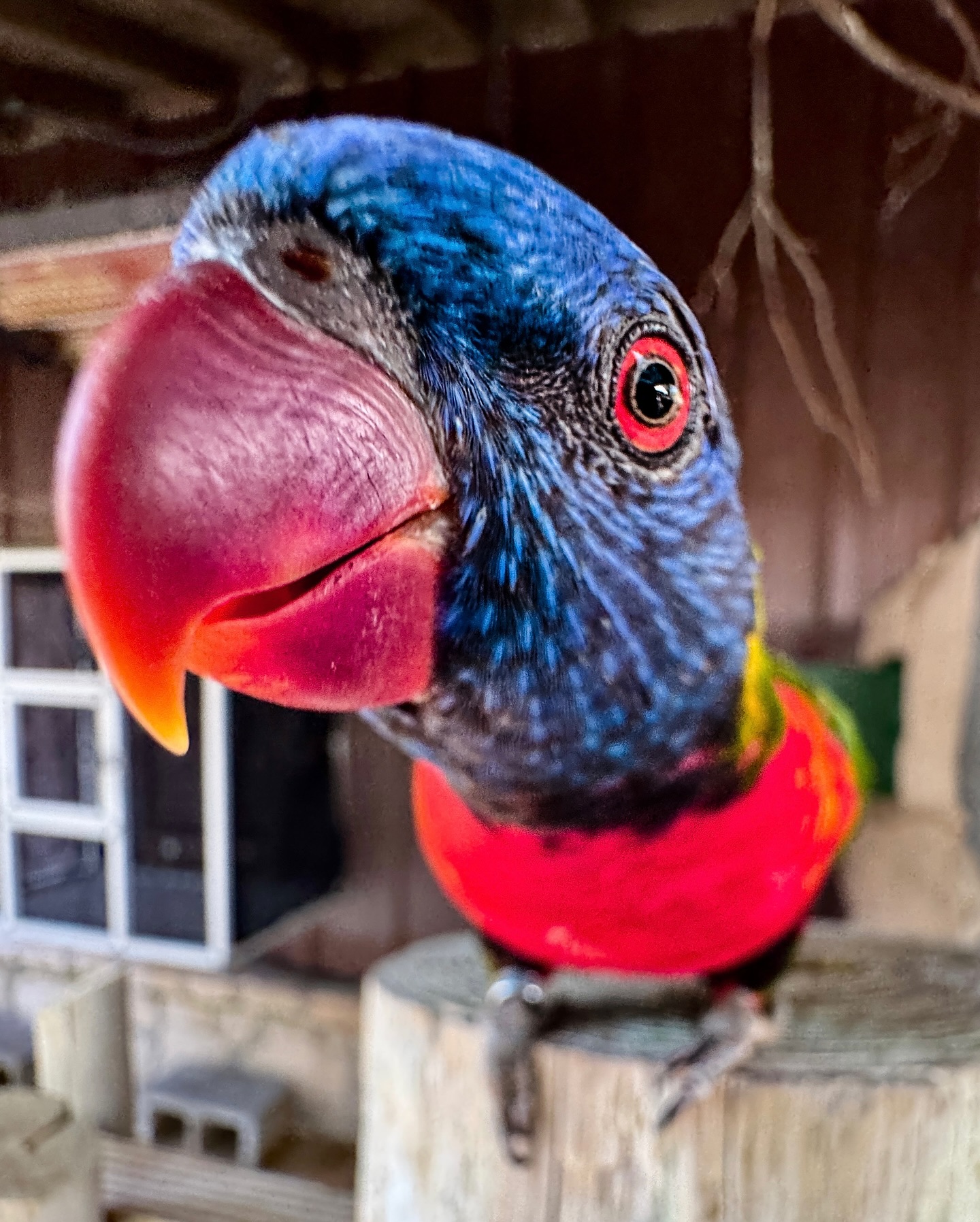
- An overview of the term “Howdy there” and its cultural significance in animal-related contexts.
- The role of zoos in wildlife education and conservation.
- A look into the daily management practices in modern zoos.
- The importance of animal welfare and ethical considerations in zoo environments.
- Current challenges and future directions in wildlife conservation and zoo practices.
The phrase “Howdy there” often evokes a friendly, inviting tone, especially in contexts involving animals, such as zoos or wildlife reserves. This simple greeting encapsulates a spirit of engagement and curiosity between humans and the natural world. In animal-related contexts, it symbolizes the connection and enthusiasm caretakers and visitors alike feel toward wildlife. Educational interactions often start with a warm greeting, fostering a sense of community and respect for animals. This introductory phrase is not just verbal; it reflects the relationship that people aim to develop with animals. It encourages inquiry into animal behaviors, habitats, and conservation issues, bridging the gap between humans and the diverse life forms shared on our planet.
Zoos play a critical role in wildlife education and conservation, serving as vital institutions for public awareness. They offer visitors a chance to learn about endangered species, their habitats, and the dangers they face. Educational programs are designed to highlight key issues such as habitat loss, climate change, and the illegal wildlife trade. Many zoos collaborate with researchers and conservation groups to support in situ and ex situ programs that aim to protect endangered species from extinction. Zoos that incorporate biodiversity conservation into their missions serve as breeding grounds for animals that might otherwise disappear from the wild.
Modern zoos often emphasize both education and conservation, making their missions pivotal for wildlife preservation. They provide evidence-based education, teaching visitors the importance of protecting ecosystems and respecting animal life. In many cases, zoos become ambassadors for endangered species, generating funds and public support for conservation efforts globally. Programs such as “adopt-an-animal” and visitor engagement through interactive exhibits encourage people to contribute financially and emotionally to wildlife conservation.
Daily zoo management is a multifaceted operation that involves a combination of animal care, staff training, visitor engagement, and facility maintenance. Animal care includes proper nutrition, health care, and behavioral enrichment tailored to the needs of each species. Veterinary teams monitor the health of each animal closely, while zookeepers design habitats that simulate natural environments. These habitats facilitate more authentic animal behaviors, which are crucial for the well-being of both the animals and visitors. Not all habitat designs are the same; a polar bear needs a vastly different enclosure than a tropical bird, emphasizing the need for specialized knowledge.
Staff training is essential for zoo management. Employees must be knowledgeable about animal behaviors, health concerns, and conservation initiatives. This understanding allows them to provide informative interactions that enhance the experience for visitors. Additionally, ongoing training ensures that staff remains updated on best practices in animal care and welfare. Visitor engagement strategies are also key components of zoo management. Interactive exhibits and educational talks pave the way for positive interactions, helping to foster a love for wildlife.
Animal welfare remains at the forefront of zoo practices. Ethical considerations are pivotal in the design and management of zoo enclosures. The Five Freedoms framework is often adopted as a guideline in assessing animal welfare. This framework outlines the need for freedom from hunger and thirst, discomfort, pain, injury, or disease, and fear or distress. Implementing these freedoms in daily zoo operations is essential, as it enhances the quality of life for animals in captivity. Welfare assessments often include behavioral observations and health evaluations to identify any needs animals may have.
The rise in public awareness surrounding animal rights has led to greater scrutiny of zoo practices. Many organizations advocate for improved living conditions, emphasizing the need for more space, environmental enrichment, and species-appropriate social structures. These changes aim to replicate natural behaviors, thus contributing positively to the animals’ mental and physical health. Positive reinforcement training is also being used widely in modern zoos. Methods that encourage natural behaviors not only benefit the animals but also help educators engage visitors by showcasing enjoyable interactions.
Challenges in wildlife conservation are multifaceted and often stem from human activities that threaten natural habitats. Deforestation, agricultural expansion, poaching, and climate change are major obstacles in protecting wildlife. Zoos must adapt their strategies to tackle these evolving threats effectively. Partnerships with conservation organizations facilitate a more comprehensive approach, combining resources to maximize impact. Efforts often extend beyond zoo grounds, aiming to restore lost habitats and support local communities in sustainable practices.
As the landscape of conservation continues to alter, future directions may include increased collaboration between zoos and global conservation initiatives. Emerging technologies, such as genetic studies and habitat mapping, promise to enhance conservation efforts. These advancements might lead to more effective captive breeding programs, reintroduction strategies, and habitat preservation measures. Collaboration among zoos, universities, and non-profit organizations can capitalize on this technology to advance wildlife conservation.
Public engagement remains vital in these efforts. Zoos can play a key role in transforming public attitudes toward wildlife conservation, making it a community focus. Increasingly, zoos are exploring virtual platforms to reach broader audiences, providing online educational resources that extend beyond geographical boundaries. Access to social media platforms allows these institutions to share captivating stories and real-time animal updates, further fostering a connection with wildlife. By increasing awareness of species conservation and encouraging a sense of responsibility among visitors, zoos promote an informed and engaged public.
Another emerging direction is the integration of conservation economics into zoo management. Understanding the financial implications of conservation efforts can lead to sustainable practices that benefit both wildlife and local communities. This approach focuses on creating economic incentives for conserving biodiversity, which can encourage communities to become stakeholders in wildlife protection. For instance, eco-tourism initiatives can generate financial support for conservation while providing local communities with alternative livelihoods.
The conversation about the ethics of zoos is ongoing. Some advocate for a complete shift away from captivity, arguing that animals should live freely in their natural habitats. Others assert the value of zoos in education and conservation, highlighting cases where captive breeding has successfully reintroduced species to their native ecosystems. The resolution may not be absolute; rather, it lies in a nuanced understanding of the complementary roles zoos and wild habitats can play in preserving biodiversity.
Collective action, both in local and global contexts, will shape how zoos evolve in function and philosophy. As society grapples with pressing environmental issues, the importance of informed, responsible, and ethical practices in zoo management cannot be overstated. Such practices better wildlife education and solidify the role of zoos as active players in the fight against species extinction. The benefits of a well-managed zoo extend beyond its gates, echoing into broader wildlife conservation initiatives aimed at safeguarding the planet’s diverse ecosystems for future generations. The clarity and engagement that zoos foster in their audience contribute to deeper appreciation and understanding of wildlife, ultimately benefiting conservation efforts worldwide.
Amid these discussions, the phrase “Howdy there,” given its simple, inviting nature, becomes a fitting reminder of the connection we share with wildlife. It signifies the beginning of a journey—a journey that encompasses education, ethical treatment, and collective responsibility as we tread toward a future where both animals and humans coexist harmoniously.
*****
Source Description
Howdy there
