
- The significance of World Ocean Day and its connection to marine conservation.
- Details on the unique offerings at the John Ball Zoo for the event.
- A comprehensive overview of the Sharks exhibit from the Australian Museum.
- Understanding the role of organizations like The GRPM in promoting wildlife education.
- The importance of community engagement in conservation efforts.
World Ocean Day, celebrated annually on June 8, serves as a global reminder of the critical importance of oceans in sustaining life on Earth. The oceans cover more than 70% of the planet’s surface and are vital for regulating the climate, providing food, and supporting biodiversity. This year, the Grand Rapids Public Museum (The GRPM) is thrilled to participate in the celebration by visiting the John Ball Zoo on June 26. At this event, The GRPM will highlight the importance of marine ecosystems and offer engaging, hands-on experiences for zoo visitors.
Marine conservation is more pressing than ever. Oceans face numerous threats including pollution, climate change, overfishing, and habitat loss. Raising awareness about these risks while promoting understanding of marine species is essential for fostering stewardship among the public. The integration of events like World Ocean Day with local attractions helps cultivate a sense of responsibility toward the environment.
The GRPM will showcase ocean-related specimens from its collections, giving guests a chance to view and touch unique marine life. Interactivity is a powerful educational tool, allowing participants to connect more deeply with scientific concepts. The specimens featured could include marine invertebrates, fish, and other fascinating organisms that inhabit our seas. Such experiences are vital for sparking curiosity about the diverse life forms that make up ocean ecosystems.
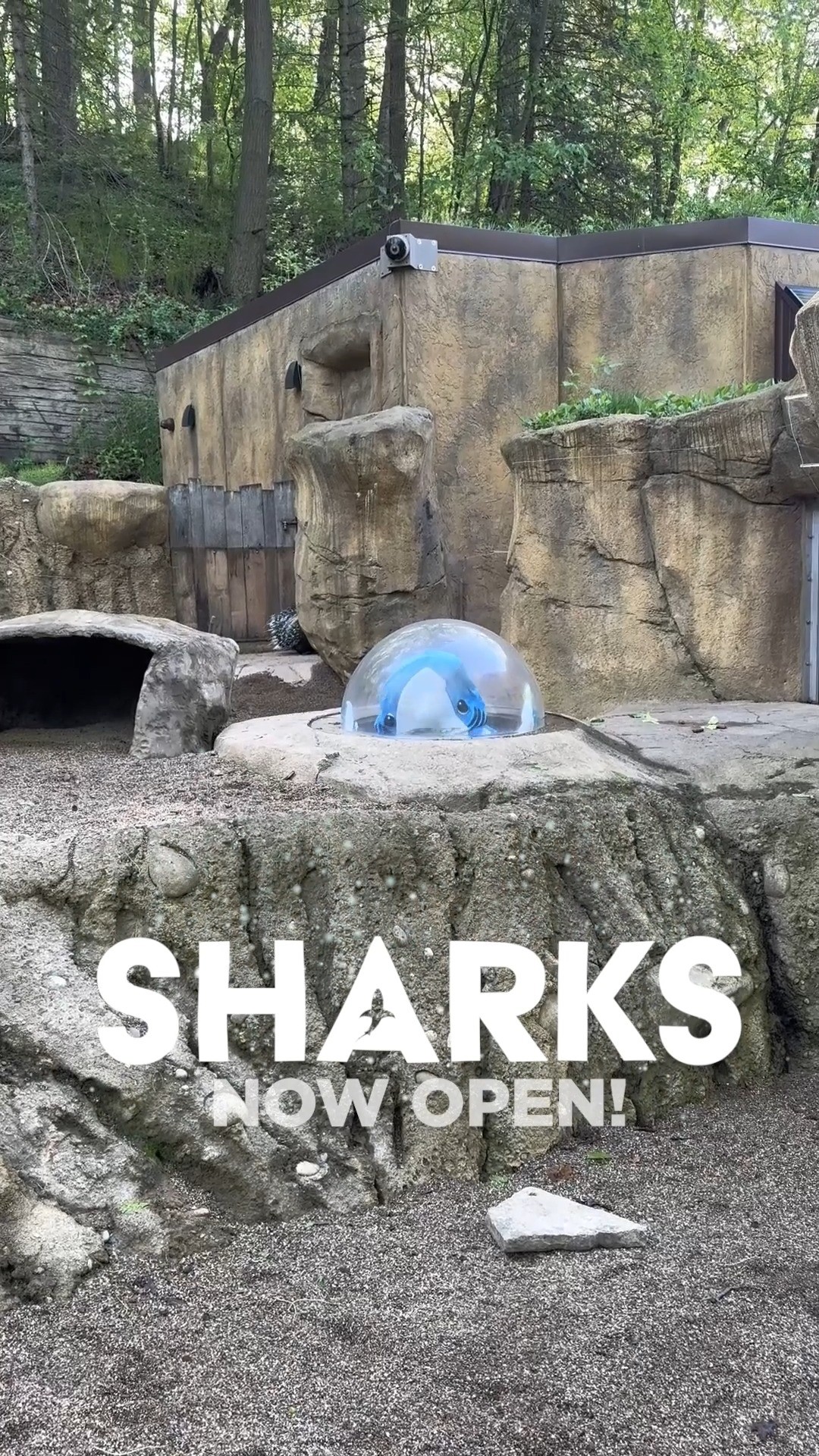
In addition to educational offerings, attendees can enjoy a $2 discount on admission, encouraging greater participation. This incentive aims to attract visitors to see the blockbuster Sharks exhibit from the Australian Museum, which is available until August 31. Exhibitions such as these provide insight into the biology, behavior, and conservation of sharks, often misunderstood creatures that play crucial roles in marine ecosystems.
The Sharks exhibit features various species of these apex predators, including their natural behaviors and habitats. Educational panels will inform visitors about the migratory patterns of sharks, their role as top predators, and the importance of maintaining healthy shark populations for ocean health. The exhibit creates a platform for discussing shark conservation, particularly as many species face threats from fishing practices, habitat loss, and climate change.
Supporting marine life through conservation education is a fundamental goal of institutions like The GRPM and the John Ball Zoo. These organizations recognize the necessity of presenting scientific knowledge in accessible formats. By engaging the community, they champion the relevance of wildlife conservation efforts. Conservation is not just the responsibility of scientists; it is a collective challenge that demands active participation from everyone.
Community engagement is critical for effective conservation initiatives. Local events like the one at the John Ball Zoo on June 26 foster interaction and understanding between people and nature. This encourages participants to think critically about their impact on the environment. When individuals learn about marine ecosystems and the challenges they face, they are often more inclined to become advocates for marine conservation.
Both The GRPM and the John Ball Zoo offer programming that emphasizes ecological literacy. By providing educational resources and interactive experiences, they make significant strides in informing the public about the importance of biodiversity. Effective education should not just inform; it should motivate individuals to act, whether through lifestyle changes, supporting conservation programs, or participating in local cleanup efforts.
In addition to the physical displays, visitors can find detailed informational materials that offer context about marine biology and conservation issues. These resources play an essential role in deepening the overall experience. With the right information, each guest can leave armed with knowledge that they can share with others, fostering a network of informed advocates.
Connecting people with nature through such initiatives builds a foundation for future conservationists. Children, in particular, can benefit from engaging directly with wildlife. The fascination formed in youth often translates into lifelong habits of conservation and care for the environment. Providing access to experiences at a young age can help develop a sense of responsibility for protecting marine ecosystems.
The partnership between The GRPM and the John Ball Zoo exemplifies how collaboration can amplify educational efforts. Both institutions contribute expertise that enriches the experiences visitors encounter. This partnership also highlights how interdisciplinary approaches can enhance understanding of ecological issues, weaving together elements of biology, geology, and ethics.
The collaborative efforts aim not only at raising awareness about marine life but also at addressing broader biodiversity challenges. As various species continue to face risks, local actions can lead to global changes. Advocacy campaigns and educational programming may inspire individuals to vote, support policies, or participate in initiatives that protect marine environments.
A critical aspect of these discussions should focus on sustainable practices. Whether it’s reducing plastic usage, supporting sustainable seafood, or advocating for marine protected areas, each individual action contributes to a broader conservation strategy. The event at John Ball Zoo not only aims to educate but also to inspire actionable steps that visitors can take to help protect oceans.
The pressing issues in marine ecosystems necessitate a proactive approach. Educational institutions are uniquely positioned to equip the public with essential knowledge and tools needed to address these challenges. By highlighting ocean conservation on a high-profile day, such as World Ocean Day, The GRPM and the John Ball Zoo can leverage the momentum generated to foster greater awareness.
The balancing act of engaging the community while promoting scientific understanding requires careful planning. Events like this showcase the delicate interconnectedness of all life forms. Marine ecosystems are a critical component of Earth’s biodiversity and warrant dedicated efforts to protect them.
Additionally, organizations involved in conservation work must remain agile and responsive. This could mean adapting strategies or even reconsidering educational focus areas based on emerging threats. As public interest evolves and scientific knowledge advances, outreach efforts should reflect these changes, thereby maintaining relevance and demonstrating commitment to ocean conservation.
Furthermore, effective communication strategies should strive to make scientific knowledge accessible, breaking down complex topics into understandable concepts. Doing so can help demystify science, making it an approachable field for everyone. Through engaging storytelling, dynamic interactions, and visual displays, institutions can captivate audiences and provoke thoughtful discourse on marine issues.
The collaborative efforts surrounding the World Ocean Day event onsite at the John Ball Zoo illustrate how educational outreach can drive conservation efforts forward. The upcoming event is more than just a day of fun; it is a call to collectively nurture and protect our planet’s blue heart. By attending, individuals can immerse themselves in the wonders of marine biodiversity and come away inspired to contribute positively to ocean conservation.
Taking part in such community events allows participants not only to enjoy a day out but also to engage in meaningful discussions about pressing environmental issues. By coming together, the public, educational organizations, and conservation advocates can forge pathways for a healthier planet. As we look toward the future, fostering a respect and understanding for our oceans will be integral to sustaining marine life for generations to come.
*****
Source Description
The GRPM is excited to be visiting the John Ball Zoo for WORLD OCEAN DAY on June 26! 🦈 🌊 🐠
We’ll have ocean-related specimens from our Collections for guests to view and touch, and we’ll have coupons for $2 off admission while supplies last, so you can come see the blockbuster Sharks exhibit from the Australian Museum before it leaves after August 31.
We hope to SEA you there and can’t wait to WAVE hello! Learn more about the Sharks exhibit using the link in our bio 🔗
