
- Understanding the Role of Zookeepers in Animal Care
- The Importance of Habitat Enrichment
- Building Relationships with Animals: Case Study of Laura
- Conservation and Education: The Zookeeper’s Impact
- Celebrating National Zookeeper Week
Zookeepers play a pivotal role in the lives of animals under their supervision. They go far beyond merely feeding and maintaining habitats; zookeepers are responsible for the physical and psychological well-being of the animals. Each animal’s happiness often correlates with the efforts of dedicated zookeepers like Laura, a Keeper 2 at the Lake Superior Zoo. This article explores the multifaceted responsibilities of zookeepers, with a focus on habitat enrichment and the importance of personal bonds between keepers and animals. Through the lens of Laura’s experiences, the significance of this work comes to life.
The welfare of animals in captivity is a shared responsibility that requires special knowledge and training. Zookeepers must understand animal behavior, dietary needs, and health indicators. They monitor both physical health and behavioral changes to identify any potential issues. For an aging animal like Lady, the Red-Tailed hawk, gaining voluntary weights allows keepers to track her health effectively. Laura’s compassion and familiarity with Lady ensure that the hawk receives the necessary care and attention.
Habitat enrichment is a significant focus for zookeepers. Animals require stimulating environments that mimic their natural habitats. This is where Laura’s skills shine. She revamped the bullsnake’s habitat to create an exciting space for exploration. Engaging animals in their environments encourages natural behaviors, thereby improving their overall quality of life. Enrichment can take many forms: physical structures that enable climbing, water features for aquatic species, and even sensory stimulation like varied scents and sounds.
Laura’s next project involves the African bullfrog habitat. This is a vital aspect of animal care, as many amphibian species are sensitive to environmental changes. By crafting a habitat that meets the frogs’ needs, zookeepers can help these animals thrive. It’s a continuous process that requires regular updates and adaptations based on animal behavior and interaction.
Building strong relationships with animals requires patience and understanding. Laura exemplifies this through her work with the smaller parrots in her care. By knowing their specific quirks and preferences, she fosters trust and cooperation. Each bird has unique traits that make it special. Understanding these idiosyncrasies can result in more effective animal management and a more enriching experience for the animals. This often translates to better social behaviors and improved mental health.
Education and conservation are also crucial components of a zookeeper’s role. Zookeepers act as ambassadors for wildlife, raising public awareness about conservation issues. They often engage in community outreach, educating visitors about the animals and the need for preservation efforts. By sharing knowledge, they inspire people to protect wildlife, ecosystems, and their habitats. Laura’s experience in animal husbandry equips her to answer questions from the public, helping them gain a deeper appreciation for the animals.
National Zookeeper Week offers an opportunity to highlight the dedication and hard work zookeepers like Laura contribute daily. Events that celebrate this profession help raise awareness and foster appreciation not just for zookeepers, but for the animals they care for and the broader issues of animal conservation. Zookeeper Week serves as a reminder of the critical roles these professionals play in maintaining biodiversity and educating the public.
The relationship between zookeepers and the animals they care for is built on trust, knowledge, and compassion. As seen in Laura’s experience, understanding an animal’s favorite snack, napping spot, and individual quirks can create a more vibrant and effective care routine. This hands-on approach yields measurable improvements in animal welfare.
Additionally, the varied responsibilities of zookeepers mean they must constantly learn and adapt. Animal behavior can change due to several factors including health, environmental conditions, and social dynamics. With a focus on continual education, zookeepers can stay up to date with the latest best practices in animal management and welfare. The evolving research in animal care emphasizes the dynamic aspect of this career. Zookeepers are not just caregivers; they are lifelong learners committed to improving their skills to benefit the animals and their ecosystems.
Overall, the work of zookeepers is deeply interconnected with animal conservation and public education. Each interaction with an animal offers insights into its needs and behaviors, which can inform zoo practices and policies. This is especially true for specialized animals that require more intricate care, such as aging species like Lady. Zookeepers are advocates for these animals, ensuring their voices are heard through their care.
Celebrating National Zookeeper Week enables zoos and wildlife organizations to express gratitude for their staff, while also encouraging communities to understand and appreciate the purpose of zoos. It is crucial to highlight the essential connections zookeepers forge with animals and the positive impact those relationships have on conservation efforts. Investing in animal welfare leads to healthier individuals, which contributes to species survival and educational outreach.
In summary, the work of zookeepers such as Laura exemplifies the essential role they play in animal care, habitat enrichment, and public education. Understanding the nuances of animal behavior enhances not only individual animal welfare but also contributes to broader conservation goals. Whether it’s recreating an environment for a bullsnake or fostering trust with a parrot, zookeepers demonstrate an unwavering commitment to the animals they care for. Celebrating this dedication not only acknowledges their hard work but also reinforces the importance of wildlife conservation to future generations.
*****
Source Description
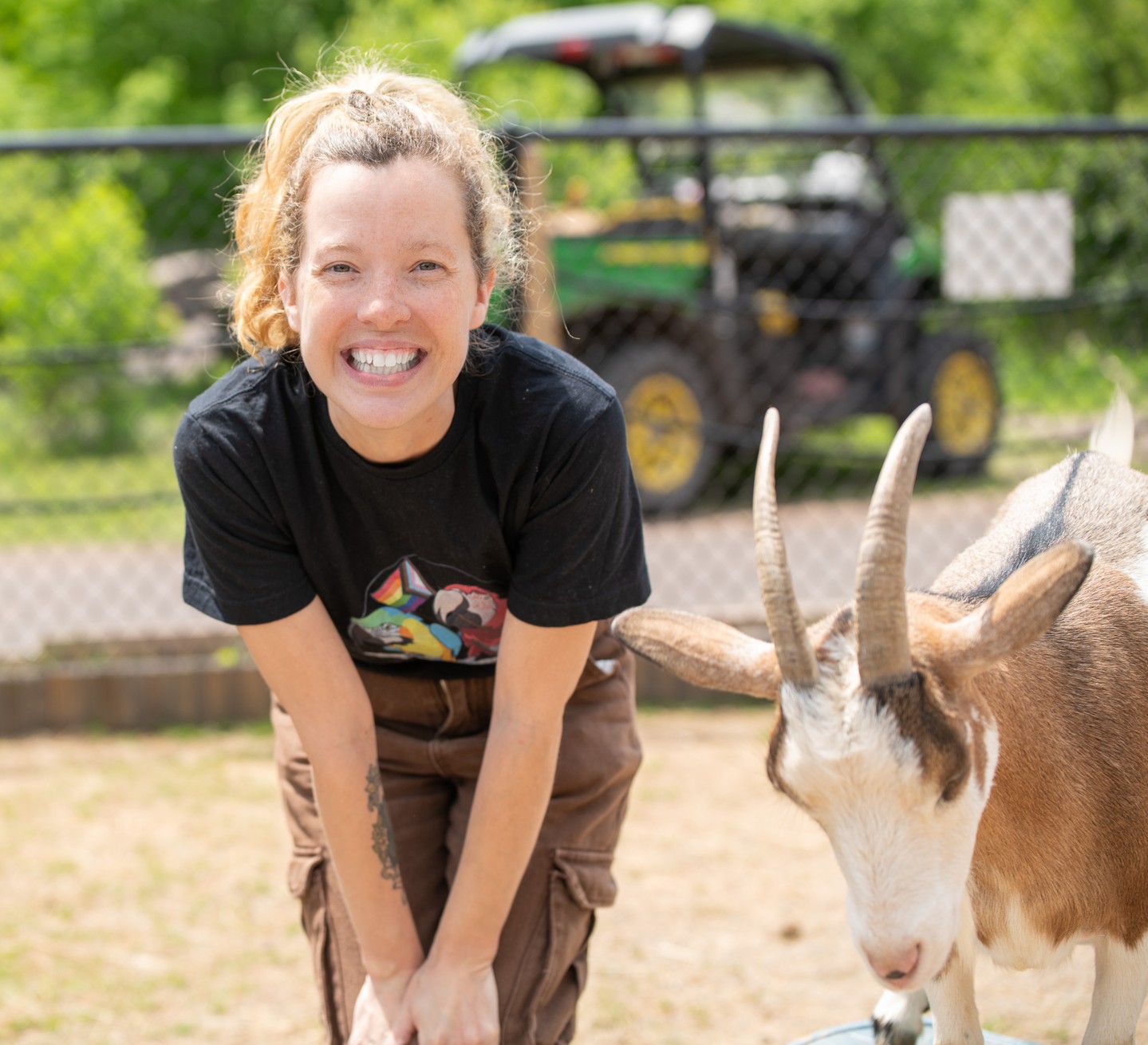
Behind every happy animal is a keeper who knows their favorite snack, napping spot, and weird quirks. Meet Laura!
Laura is one of our Keeper 2’s here at the Lake Superior Zoo. This means that Laura is a great resource for answering questions and understands the inner workings of her animal sections on a deeper level. She has spent a great deal of time this year working especially closely with our Red-Tailed hawk, Lady, reperching her habitat to provide better welfare opportunities and working with her with patience and care to get voluntary weights which is vitally important for an animal of advanced age such as Lady bird. She has a particularly close bond with our smaller parrots as well and treats all animals in her care with great compassion and respect.
Laura has broadened her skills this year by revamping the bullsnake habitat, creating a dynamic space for him to explore and engage with his environment, and is working on the African bullfrog space next! Thank you, Laura, for all that you do, and Happy National Zookeeper Week 2025!
