
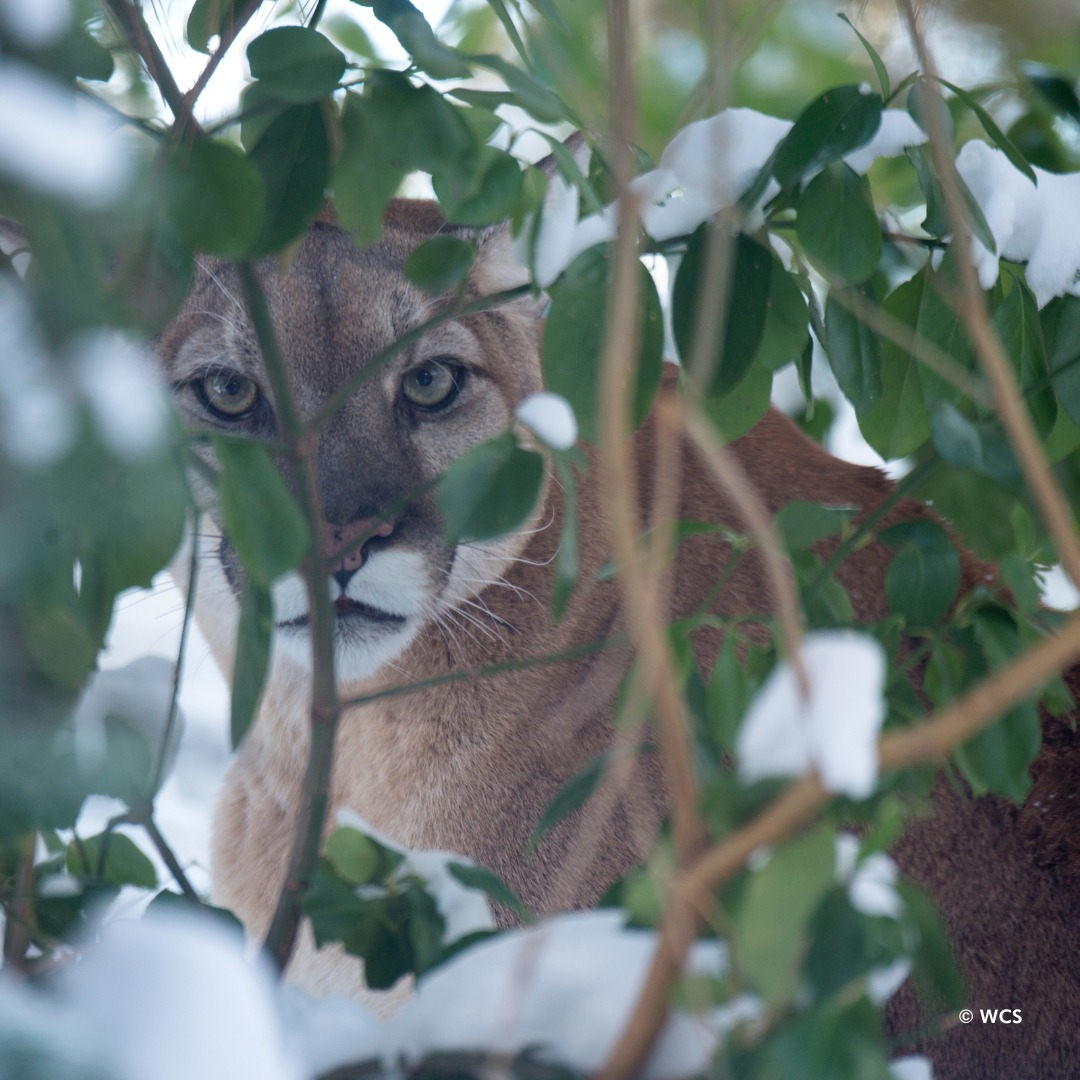
- Happy holidays from Queens Zoo: Celebrating the Season
- Exciting animal encounters: Meet the puma and other incredible species
- Conservation efforts at Queens Zoo: Making a difference for wildlife
- Planning your visit: Ticket reservations and holiday activities
- The importance of zoos: Educational resources and animal welfare
Happy holidays from all of us at Queens Zoo! This festive season, we invite you to share the joy of exploration and discovery by visiting us. The zoo is open today, and it’s an opportune moment to immerse yourself in the wonders of wildlife. With the winter landscape providing a beautiful backdrop, your experience will be filled with the allure of nature’s creatures.
As you wander through the zoo, you’ll encounter an array of fascinating animals, each with its own stories and adaptations. One of the standout residents is the puma, a powerful predator that has survived epochs of climatic changes. These big cats exemplify resilience and adaptability in their habitats, and learning about their characteristics can spark an interest in wildlife conservation.
The puma is one of the largest felines in the Americas, known for its agility and stealth. Adult pumas can weigh between 100 and 220 pounds, and they can reach lengths of up to eight feet, including their tail. Their versatile diet allows them to thrive in diverse habitats, from forests to deserts. Understanding their role in the ecosystem is crucial. Pumas help maintain balance by controlling prey populations, which in turn supports the vegetation and health of their environments.
This holiday season, it’s essential to consider what makes our visits to zoos so valuable. Not only do they provide a chance to connect with animals, but they also play a vital role in wildlife conservation. Queens Zoo is dedicating efforts to support endangered species and promote education on crucial environmental issues, making it a hub for awareness and activism. As you explore, you’ll find resources aimed at elevating public understanding of these challenges and what actions can be taken to help mitigate them.
The zoo has initiatives aimed at breeding programs for species that are at risk of extinction, as well as habitat restoration efforts. For instance, the participation of Queens Zoo in the Species Survival Plan enables it to collaborate with various institutions worldwide to ensure genetic diversity and promote breeding success. This collaborative framework fosters genetic health in diminishing populations, allowing them to survive in their natural habitats.
Planning your visit is simple and efficient. Given the increased interest during the holiday period, reserving your tickets online in advance is recommended. This ensures that your experience is seamless, allowing you to focus on the magnificent animals and the enriching activities available throughout the zoo.
As you enjoy your time at Queens Zoo, you will also find various holiday-themed events designed to engage visitors. Children’s workshops, animal talks, and holiday decorations add festive cheer to the zoo environment. These activities foster a deeper appreciation for wildlife, making each visit memorable.
In addition to being a place of recreation, zoos also serve as vital educational platforms. Queens Zoo collaborates with local schools and community groups to enhance awareness around animal behavior, conservation, and ecology. Through interactive exhibits and educational talks, guests can enrich their understanding of how species adapt and thrive. Demonstrations on animal behaviors, such as feeding and training practices, showcase how staff care for animals, ensuring their health and well-being.
It’s also important to engage with our ethical standards in relation to animal welfare. Ensuring that the animals live in environments that mimic their natural habitats promotes well-being. This practice is at the core of responsible zoo management. Staff are trained in animal behavior and welfare, making sure that each animal is cared for in the most humane and enriching manner possible.
When visiting the puma and other remarkable creatures, you’ll gain insight into the importance of preserving ecosystems. The reality of habitat loss due to urban expansion, agriculture, and climate change threatens wildlife like the puma. Organizations, including Queens Zoo, work tirelessly to educate the public about these interconnected issues and how they can participate in advocacy for wildlife protection.
As we celebrate the holidays, it’s a fantastic opportunity to reflect on the role zoos play in fostering connection with nature. The enchantment of seeing a puma stretch or a group of monkeys play is unmatched. Such experiences can inspire generation after generation to care for wildlife and the environment.
Queens Zoo’s commitment to conservation extends beyond its gates. We participate in global projects aimed at habitat restoration and sustainable practices. Grassroots initiatives aim to restore local environments by involving community members in plantings and clean-ups, fostering a sense of stewardship.
In summary, a visit to Queens Zoo this holiday season is more than just entertainment; it’s about connecting with wildlife, understanding the challenges they face, and contributing to conservation efforts. As you enjoy your time with incredible animals, remember that every ticket purchased supports larger initiatives aimed at educating the public and protecting global wildlife.
Whether you are exploring solo, with family, or with friends, the memories made while visiting Queens Zoo are treasures that last long after the holidays have concluded. The animals, like the resilient puma, remind us of the beauty of adaptability and the importance of preserving ecosystems for future generations. Reserve your tickets today, and embrace the holiday spirit by making a meaningful connection with nature at Queens Zoo.
*****
Source Description
Happy holidays from all of us at Queens Zoo!
We’re open today and would love to see you. Spend part of your holiday exploring the zoo, making memories, and visiting your favorite animals—like the puma, a powerful predator that has adapted to changing climates since the Ice Age. Don’t forget to reserve your tickets online before your visit!
