
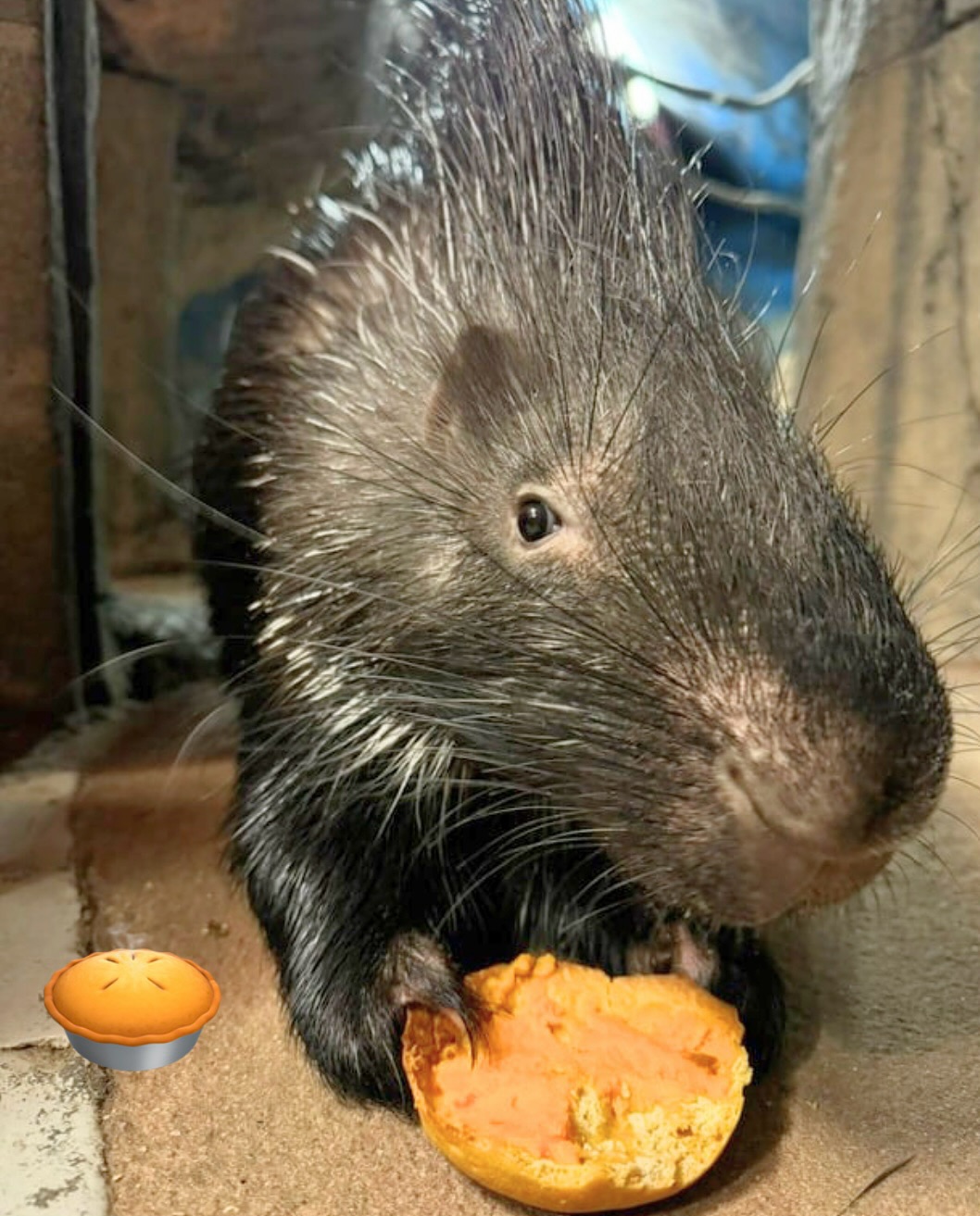
- Understanding Animal Lookalikes
- Exploring Food Preferences in Animals
- The Role of Enrichment in Animal Well-Being
- Recognizing the Importance of Conservation
- Wildlife Education and Community Engagement
Understanding Animal Lookalikes
Animal lookalikes bridge the gap between species, offering insights into evolutionary adaptations and behavioral traits. For example, the striking resemblance between a sloth and a koala showcases a phenomenon known as convergent evolution. While sloths reside in Central and South America and koalas are native to Australia, both have developed similar physical traits that allow them to thrive in their respective environments, adapting to a tree-dwelling, herbivorous lifestyle.
This phenomenon often extends beyond external appearances. Lookalikes like the hawk moth caterpillar mimic the appearance of snakes, effectively deterring potential predators. Understanding these adaptations not only illuminates the challenges animals face but also highlights the intricate relationships within ecosystems. A single change in one species can ripple through the environment, affecting many others. Documenting these unique adaptations can assist in educating the public about wildlife, fostering a culture of appreciation and conservation.
Exploring Food Preferences in Animals
Food preferences among animals are fascinating indicators of their behavioral ecology. Various species exhibit specific dietary habits that reflect both their anatomy and the ecosystems they inhabit. For instance, koalas have a specialized diet mainly consisting of eucalyptus leaves, which are toxic to most other animals. Their unique digestive systems break down these toxic compounds, illustrating a remarkable adaptation.
Birds, too, display diverse dietary preferences, from seed-eating finches to nectar-drinking hummingbirds. These preferences are not merely about sustenance but play vital roles in their ecosystems. Pollinators like honeybees and butterflies help maintain the health of plant populations, which in turn sustains many other animal species.
Understanding what animals eat contributes significantly to our grasp of their habitat requirements. Through careful observation and research, we unlock the values of different food sources in various ecosystems. This knowledge aids both conservation workers and animal keepers. A well-informed approach to food is essential for optimal animal health.
The Role of Enrichment in Animal Well-Being
Enrichment in zoos and wildlife parks plays a crucial role in promoting animal welfare. Enrichment activities stimulate mental and physical engagement, mimicking natural behaviors that animals might display in the wild. Think about how a lion in an enclosure benefits from puzzle feeders that allow it to hunt for food. These interactive experiences not only keep animals physically fit but also reduce signs of stress and boredom.
Incorporating environmental enrichment requires a deep understanding of each species’ natural behaviors and needs. For example, elephants greatly benefit from activities that promote social interaction, such as mud baths or obstacle courses that encourage them to use their intelligence and problem-solving skills. Tailoring enrichment strategies to specific animal needs increases their quality of life.
Additionally, enrichment has implications for conservation. When animals are happy and engaged, it fosters reproductive success and decreases stress-related health issues, which can be crucial for endangered species. Implementing effective enrichment strategies in zoos can produce healthier animals, making these institutions valuable centers for breeding and eventually reintroducing species back into the wild.
Recognizing the Importance of Conservation
Conservation initiatives work tirelessly to protect wildlife and their habitats. With threats like habitat destruction, climate change, and poaching, understanding these dangers is vital for effective wildlife protection. Hotspots of biodiversity, such as rainforests and coral reefs, are often areas of concentration for conservation efforts. Protecting these biodiverse regions has far-reaching effects on the health of the planet.
Furthermore, successful conservation efforts often hinge on community involvement and education. Collaborations between local communities and conservation organizations lead to innovative solutions that benefit both wildlife and people. Education fosters appreciation and understanding of wildlife, encouraging local populations to participate actively in conservation.
In addition to preservation, conservation encompasses rehabilitation efforts. Many wildlife sanctuaries and organizations focus on rescuing and rehabilitating injured or orphaned animals. Providing a safe environment for these animals until they can be reintroduced into their habitats is an essential aspect of a comprehensive conservation strategy. Collaborating with veterinarians and biologists enhances these efforts, ensuring animals receive the best possible care.
Wildlife Education and Community Engagement
Educating the public about wildlife fosters an appreciation for the natural world and promotes proactive conservation efforts. Zoos and wildlife parks play a crucial role in this educational process. Through interactive exhibits, guided tours, and outreach programs, institutions can bridge the gap between the human population and wildlife.
Classes and workshops focusing on wildlife habitats and behaviors invite community members to connect with nature. For instance, children who engage in programs at a zoo are more likely to develop a lifelong interest in wildlife and conservation. Hands-on experiences promote environmental stewardship, encouraging participants to consider their impacts on nature.
Various organizations and initiatives aim to cultivate wildlife ambassadors within communities. Projects targeting local schools build partnerships that empower youth to advocate for conservation efforts. Such initiatives often include citizen science projects that contribute valuable data to environmental research while engaging communities in vital conservation work.
This model can serve as a blueprint for future educational endeavors, fostering a deeper understanding of biodiversity and conservation among younger generations. Capturing their interest now will ensure a dedicated populace engaged in protecting wildlife in the future.
By focusing on animal lookalikes, food preferences, enrichment strategies, conservation, and education, we form a comprehensive understanding of the dynamics in the animal kingdom. Building this knowledge serves to promote healthy ecosystems, enhance animal welfare, and engage communities in meaningful ways to protect our planet’s invaluable biodiversity.
*****
Source Description
Happy We think our animals nailed these 🐢🍉🦚🎯
From animal lookalikes to food favorites and everything in between—drop the emoji that matches your favorite below! 👇
