
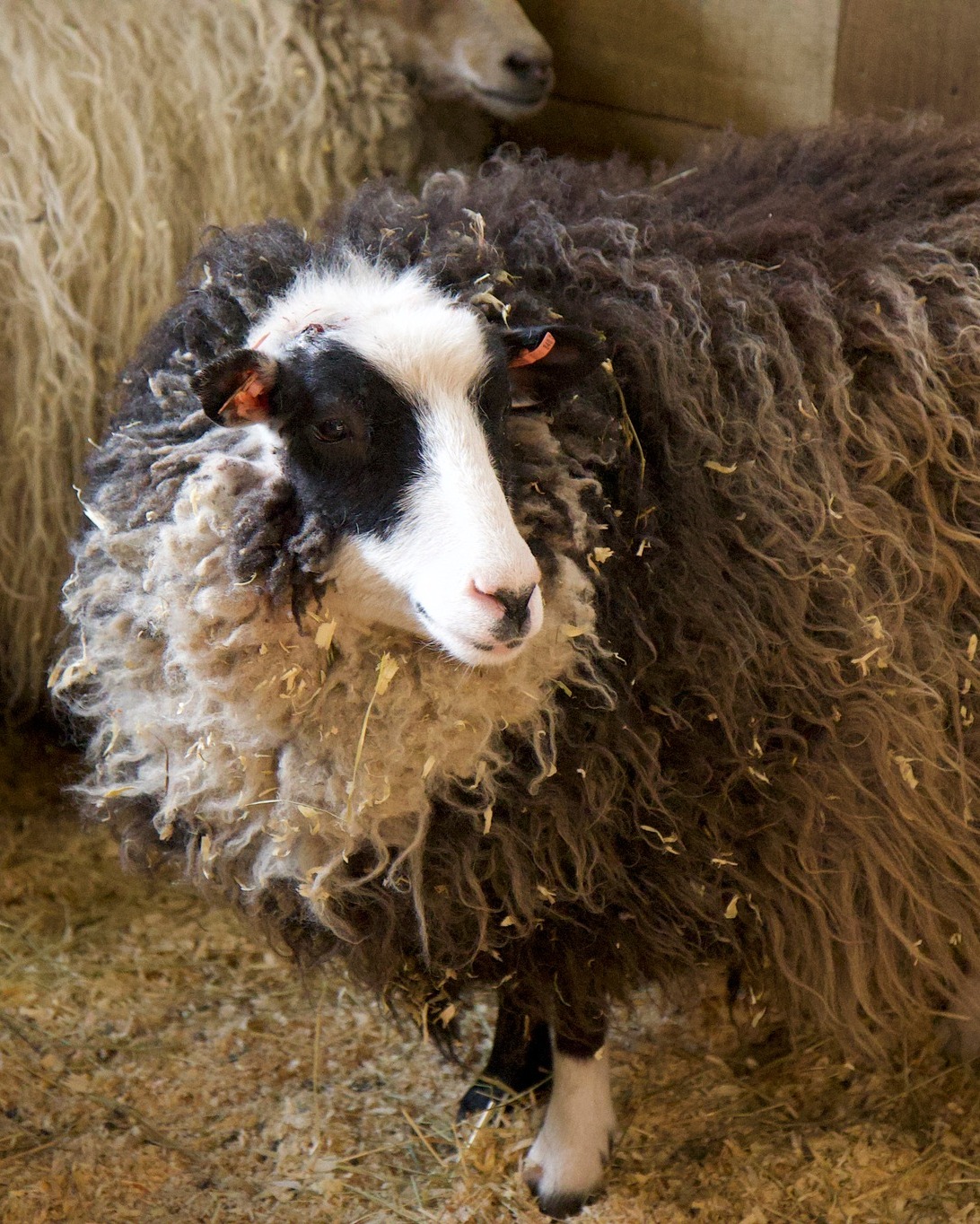
- Importance of Shearing for Sheep Welfare
- The Shearing Process and Techniques
- Environmental and Ethical Considerations
- Role of Shearing in Wool Production and Economy
- Zoological Insights on Sheep Behavior Post-Shearing
Shearing is essential for ensuring the health and well-being of sheep, particularly as temperatures rise. It isn’t just about aesthetics; it’s a vital part of animal care. When sheep are not shorn regularly, they can overheat and suffer from health complications such as heat stress or flystrike, a condition caused by flies laying eggs in dirty, woolly coats. By removing the fleece, sheep stay cool and clean, preventing these issues.
In terms of technique, shearing involves specific skills and knowledge. Professional shearers use electric clippers, much like barbers, but designed for the unique texture and volume of sheep wool. The process consists of several steps, including positioning the sheep comfortably and securely to prevent injury. Each animal’s fleece is removed in one piece, maintaining its quality for processing. The skill lies in balancing speed with precision, making sure the sheep remain calm and unharmed.
Ethical practices in shearing are increasingly important, reflecting broader societal values concerning animal welfare. Many shearers and farms adhere to high standards, ensuring minimal stress is placed on the sheep. Farmers often schedule shearing according to seasonal changes, aligning with climate considerations to enhance sheep comfort. This thoughtful timing reflects a commitment to both animal welfare and sustainable farming practices.
Shearing is also crucial for the wool industry, impacting economic factors. The wool from sheep supports a variety of industries, from clothing to home goods. This natural, renewable resource is harvested without harming the animals, given proper techniques are followed. As a biodegradable product, wool is environmentally friendly, offering an alternative to synthetic fibers that contribute to pollution.
From a zoological perspective, sheep behavior significantly benefits from shearing, showcasing the importance of this practice in animal management. Post-shearing, sheep often appear more energetic and comfortable, an indication of improved welfare. Understanding sheep behavior before and after shearing can inform better management practices, enhancing the overall quality of life for these animals.
Pepper, Truffle, Salt, and Lucy, as individual sheep, may exhibit varying degrees of comfort post-shearing, reflecting diversity in sheep behavior and adaptation to environmental changes. By observing these differences, valuable insights are gained into the best practices for handling and managing sheep in various conditions.
Ultimately, well-executed shearing contributes to healthier, happier sheep, and promotes an ethical, sustainable approach to agriculture.
*****
Source Description
No baaad hair days here — just a clean cut and happy sheep 🐑 ✂️
Our sheep didn’t get a haircut per se, but they did enjoy a good wool shearing — now they’re feeling much more comfortable as the temperatures start to climb.
Can you guess who had the biggest weight loss based on these before and after pictures? 🤔
1. Pepper
2. Truffle
3. Salt
4. Lucy
