
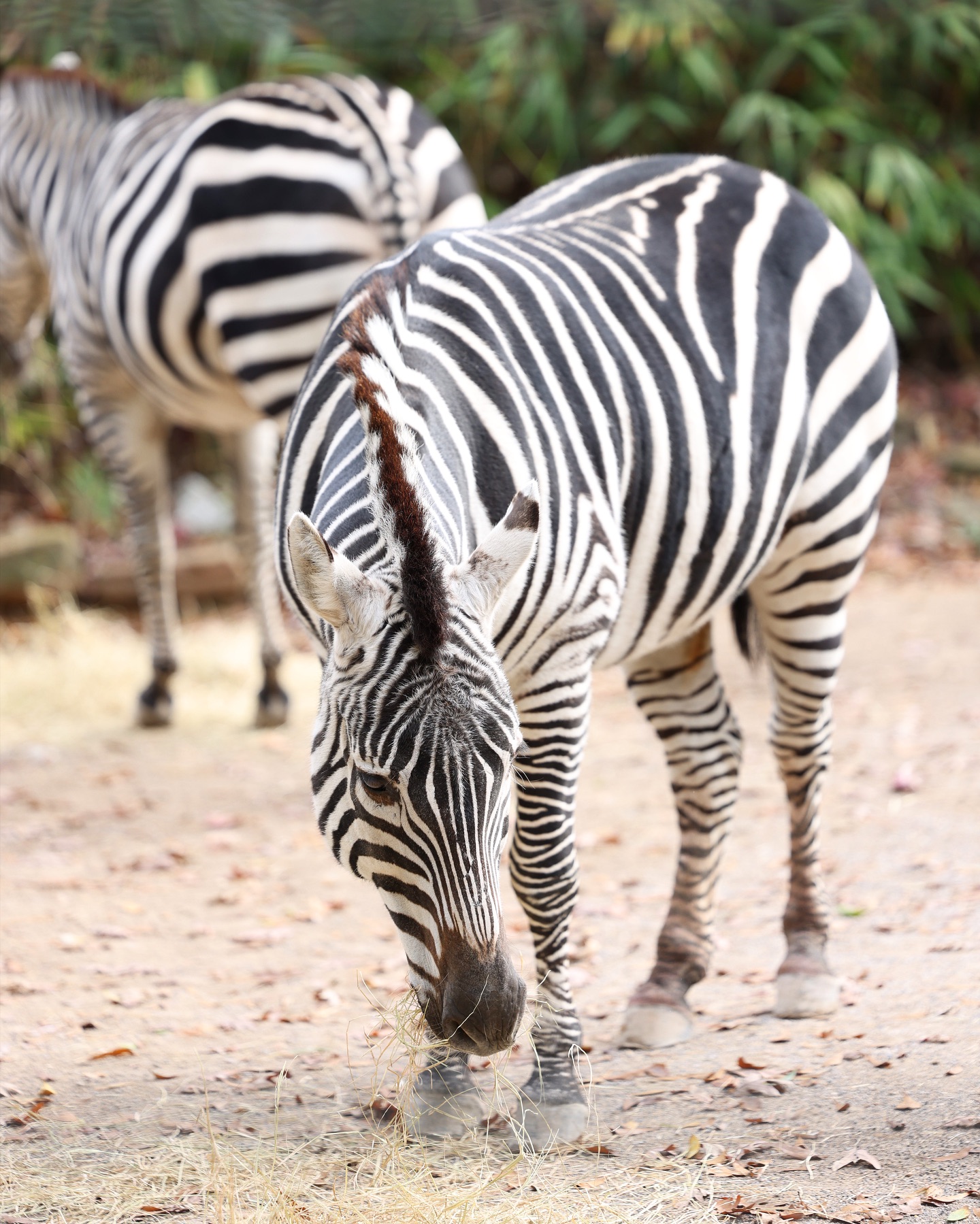
- The significance of adopting animals as gifts and its emotional impact.
- The role of animal adoption in wildlife conservation and zoo management.
- The benefits of animal adoption for both the adopter and the animals.
- How to choose the right animal to adopt for your loved one.
- The processes and responsibilities involved in animal adoption.
Animal adoption has become a powerful symbol of compassion and intentionality. Giving the gift of an animal adoption can express profound feelings of love and responsibility. This unique gesture represents more than just a present; it signifies a commitment to the well-being of animals while raising awareness about conservation issues. Whether you are celebrating Mother’s Day, a birthday, or a milestone in a loved one’s life, adopting an animal emerges as a thoughtful choice.
When a person adopts an animal on behalf of another, there are immediate emotional benefits. This thoughtful gift creates a connection that transcends mere objects. The recipient feels valued as they invest in a living being’s health and happiness. By engaging with animals through adoption, they cultivate empathy, understanding, and respect for wildlife. This connection often leads to more substantial discussions about biodiversity, conservation, and our planet’s future.
Supporting wildlife through adoption has substantial implications for zoo management and conservation efforts. Zoos play a critical role in educating the public about endangered species and their ecosystems. Adopting an animal from a zoo helps fund essential services such as food, healthcare, and enrichment activities for the animals. This assistance enables zoos to provide high-quality care and maintain habitats that closely resemble natural environments. Thus, adopting an animal fosters sustainable practices in animal care, education, and conservation.
The financial contributions derived from adoption programs can also drive scientific research and conservation initiatives. Many zoos are involved in programs that protect endangered species, rehabilitate wildlife, and restore ecosystems. For instance, adopting a species can fund breeding programs that aim to reintroduce animals into the wild. It can also support habitat restoration projects that are crucial for the survival of many species. Your gift can have a ripple effect, contributing to substantial ecological improvements and aiding in the survival of various animals.
When considering animal adoption as a gift, it is essential to choose the right animal thoughtfully. The preferences and interests of the recipient should guide your choice. Some people may have an affinity for mammals, such as lions or elephants, while others may prefer birds, reptiles, or marine life. Understanding the interests of your loved one can make the adoption more meaningful. Additionally, familiarizing yourself with the habits and care requirements of the selected animal enhances the gifting experience.
Selecting the right animal can offer joyful experiences and lifelong learning opportunities. Each species has its unique characteristics, behaviors, and ecological roles. By adopting an animal, the recipient may become more curious about its biology, environment, and conservation status. This newfound interest could foster a deeper connection with nature, inspiring the adopter to take action in various conservation efforts.
While the emotional and educational benefits of animal adoption are clear, it is vital to address the responsibilities that come with it. Adopting an animal often involves a commitment to understanding its needs and supporting its well-being, even if virtually. Many adoption programs offer resources that guide adopters in how to care for their adopted animal, including information about their habitats, diets, and behaviors.
Adopters are encouraged to stay involved with the zoo or organization they are supporting. This engagement might include attending events, participating in educational programs, or sharing experiences with friends and family. Active involvement can strengthen connections with both the animals and the conservation community.
The process of animal adoption is typically user-friendly, making it accessible to anyone looking to give a meaningful gift. Most organizations have a straightforward online platform where potential adopters can learn about the animals available for adoption. This website often includes detailed profiles of each animal, stating its species, background, conservation status, and unique traits. Many programs even feature captivating stories about the animals, allowing prospective adopters to connect on an emotional level.
Moreover, several adoption programs follow a tiered approach. This means that varying levels of support are available, ranging from symbolic adoptions to more comprehensive commitments. A symbolic adoption usually involves financial contributions that help support an animal’s care without the requirement of direct involvement with the animal. More interactive adoption programs may offer opportunities to engage with the animal through events, behind-the-scenes tours, or even special adoption ceremonies.
Adopting an animal is as much about fostering an ongoing relationship as it is about the initial act. You’ll be embarking on a journey filled with educational opportunities, engaging experiences, and personal growth. Each year, many organizations also provide updates on the adopted animals, allowing adopters to follow their progress and understand the impact of their support. This continual feedback can enhance the adopter’s connection to the natural world and inspire ongoing compassion and stewardship.
Certainly, adopting an animal doesn’t have to be a solitary act. Encouraging friends or family members to join in can amplify the impact. Group adoptions can help raise a larger amount of funds, making a more significant difference in an animal’s life and habitat. Furthermore, when multiple people participate, the educational experience becomes a shared journey, fostering community awareness about wildlife conservation.
There are environmental factors to consider in animal adoption as well. The threat of climate change, habitat loss, and poaching is more critical than ever. By choosing to adopt from reputable organizations, you lend your support to initiatives that work to mitigate these challenges. Such organizations often prioritize the well-being of animals amid adverse environmental conditions. Supporting them through adoption helps build sustainable futures not just for individual species but for ecosystems as a whole.
Learning about animal behavior and the roles different species play in their ecosystems is another significant aspect of animal adoption. Each animal has a unique ecological niche and contributes to the balance of its environment. For instance, predators like wolves help regulate herbivore populations, while pollinators such as bees are essential for plant reproduction. Understanding these relationships can deepen one’s appreciation for nature.
Animal welfare extends beyond individual animals to the ecosystems they inhabit. When you adopt an animal, you are also participating in broader conservation efforts. Many organizations collaborate with global counterparts to protect habitats and bolster biodiversity. By participating in these initiatives, you become part of a larger movement that advocates for ecological balance and responsible stewardship.
Several organizations promote wildlife conservation through education and community engagement. These programs often focus on awareness campaigns to educate the public about endangered species and their contributions to biodiversity. By actively supporting such organizations through animal adoption, you help amplify these outreach efforts, enhancing community understanding of critical conservation issues.
Additionally, some organizations create programs that involve schools and local communities. These educational initiatives can provide engaging learning experiences for students and families, connecting them to wildlife conservation’s significance. Seeing live animals and learning about their care and habitats inspires interest and empathy in younger generations.
The importance of a holistic view of conservation extends to human-animal connections as well. Many adoption programs encourage a deeper understanding of responsible pet ownership and community involvement in wildlife protection. Knowledge about local species, habitats, and conservation efforts can promote positive interactions between humans and wildlife.
Overall, animal adoption stands as a poignant gift that carries a multitude of meanings. The emotional impact it has on the giver and recipient is profound. It links them to animals that need help and fosters an understanding of the responsible stewardship required in today’s world.
As you consider this meaningful gift for a loved one, reflect on your ability to contribute to wildlife conservation. The act of adopting an animal offers not just immediate joy but lasting benefits for both people and wildlife. Embrace this opportunity to connect with nature, promote animal welfare, and support ongoing conservation efforts. By doing so, you become part of an essential movement that values life, respect, and responsibility.
*****
Source Description
Have you herd? 🦓 We’ve got the perfect gift for your loved one!
Whether you’re celebrating Mother’s Day or another special occasion, adopting an animal is a meaningful way to show you care while helping to provide our animals with food, healthcare, and enrichment activities. Head over to our website to start your adoption today!
