
- The historical significance of bluebirds in Bermuda and their current status.
- The ecological importance of creating nesting habitats for bluebirds.
- Techniques for constructing effective bluebird nesting boxes.
- Best practices for installing nesting boxes in gardens.
- Overview of the BZS Education workshops and their impact on conservation efforts.
Understanding the history of bluebirds in Bermuda is essential for grasping their significance to the island’s ecosystem. Once plentiful, Bermuda’s bluebird population has faced numerous challenges, leading to significant declines in their numbers. Habitat loss, invasive species, and climate change have all severely impacted these birds. In the late 1990s, dedicated conservation efforts began to revive the population. Today, many local organizations advocate for the protection of bluebirds, emphasizing the need for community involvement to ensure their survival.
Creating suitable nesting habitats for bluebirds is crucial for their continued presence on the island. Bluebirds prefer open fields, meadows, and areas with low vegetation, where they can hunt for insects and forage effectively. However, natural nesting sites have diminished, leading to the urgency of constructing artificial nesting boxes. These boxes provide a safe environment for bluebirds to lay eggs and raise their young. Moreover, they shield bird populations from predators and adverse environmental conditions, offering a sanctuary where bluebirds can thrive.
Building a bluebird nesting box involves several important considerations and techniques. Each box should provide adequate space for the birds while being safe from the elements. A typical design includes a 6-inch by 6-inch floor and a 12-inch height, contributing to an optimal internal space for nest-building. The entrance hole should measure around 1.5 inches in diameter, allowing bluebirds easy access while deterring larger birds, such as starlings, from invading.
Materials play an important role in constructing effective nesting boxes. Untreated wood, such as cedar or pine, provides durability against harsh weather conditions. It’s advisable to avoid treated lumber, as chemicals may be harmful to birds. Use exterior-grade screws to ensure stability, and consider adding ventilation holes to regulate temperature inside the box. Additionally, leaving the exterior unpainted helps the box blend into the environment, discouraging predation.
Once the construction of the nesting box is complete, the next step involves proper installation. Location is critical; positioning the box in a suitable area can greatly influence its success. Bluebirds thrive in open spaces, so placing the box in a sunny spot, away from dense vegetation, is essential. The ideal height for installation is between 5 to 6 feet, allowing easy access for monitoring while remaining high enough to deter predators.
Attracting bluebirds also requires the right landscape features. Surrounding the box with natural elements like low shrubs or scattered trees can provide necessary perching opportunities for the birds. Enthusiasts can further enhance their garden by introducing insect-friendly plants, creating a thriving insect population that bluebirds will rely on for food.
The BZS Education workshops are a vital part of the larger conservation mission aimed at boosting Bermuda’s bluebird population. Scheduled for Sunday, January 25, these workshops provide an informative experience for attendees keen on making a difference. Two sessions are available, from 9:30 to 11:00 a.m. and 1:00 to 2:30 p.m., each lasting an hour and a half.
Participants will receive comprehensive training on the historical context of Bermuda’s bluebirds. The workshops include an informative presentation conducted by knowledgeable members of the Bermuda Zoological Society (BZS) Education team. Attendees will learn why bluebirds are crucial to Bermuda’s ecological balance and how they can play a role in increasing their numbers through simple actions in their own backyards.
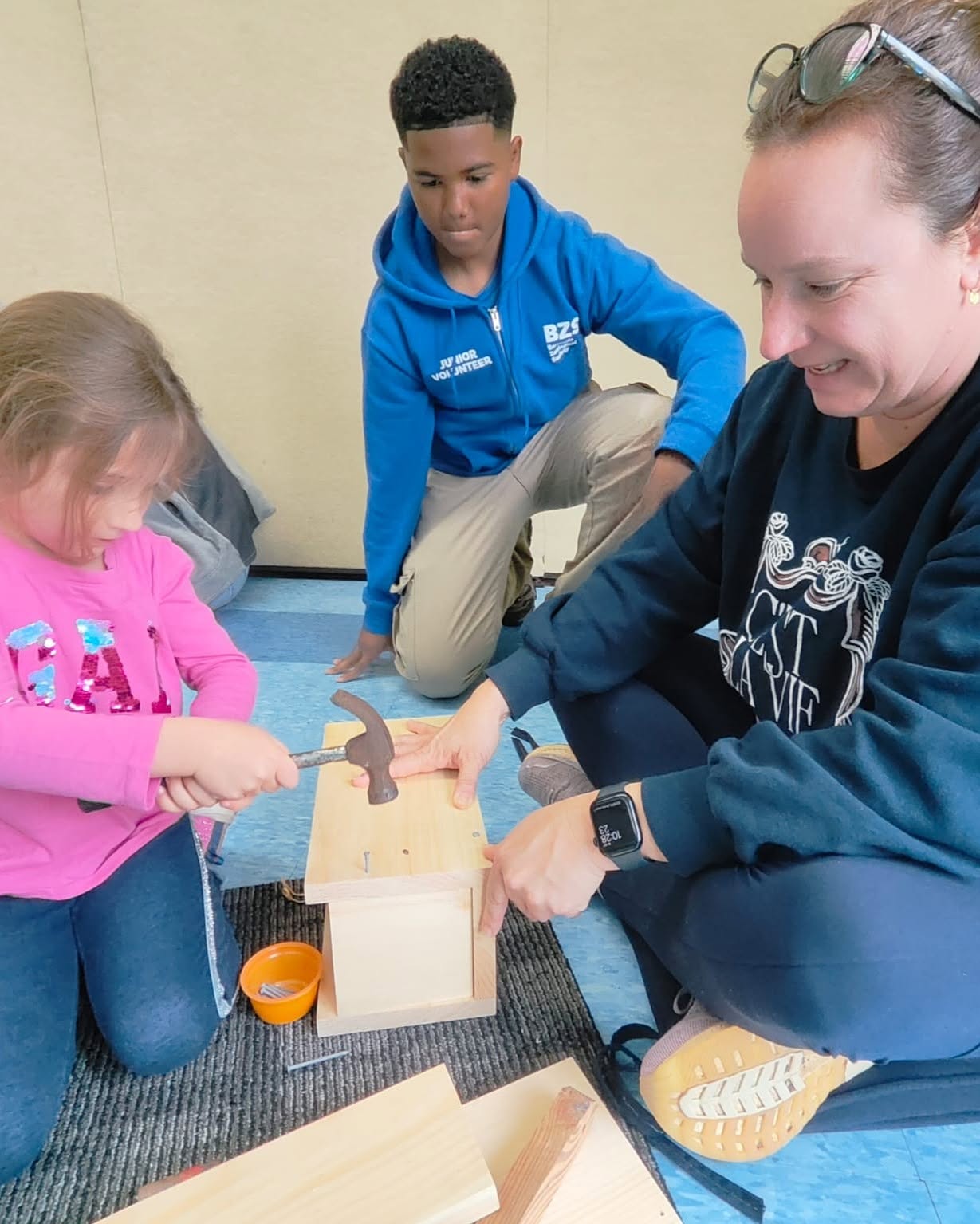
In addition to theoretical knowledge, hands-on activities are central to the workshops. Participants have the opportunity to build their own bluebird nesting boxes with all necessary materials provided. The cost of the workshop is $45 for BZS members and $55 for non-members. Participants should note that paint is not included in the supplies; however, they have the option to leave the boxes in their natural state.
These workshops do more than just provide practical skills; they foster a sense of community and stewardship among participants. People of all ages are welcome, allowing for a family-friendly environment where knowledge is shared across generations. Opportunities for Q&A sessions following the presentation encourage engagement, allowing attendees to clarify their understanding and seek advice on best practices.
As we explore ways to assist Bermuda’s bluebirds, community engagement remains critical. The more individuals get involved, the more effective conservation efforts become. By participating in workshops and creating suitable habitats, we can contribute directly to the stability of Bermuda’s natural ecosystems.
One of the compelling aspects of creating nesting boxes is observing the changes over time. After installation, avid bird watchers can track the nesting cycle, witnessing first-hand the successful rearing of young bluebirds. Monitoring these boxes not only provides valuable data on bluebird populations but also reinforces the connection between people and wildlife. Each new hatchling represents a positive step toward restoring the bluebird presence on the island.
Participating in these workshops will also deepen your understanding of broader conservation challenges. For example, the importance of biodiversity cannot be overstated. Bluebirds are not only beautiful; they are integral to the ecosystems they inhabit. By supporting bluebirds, we indirectly support numerous plant and insect species. This interconnectedness underscores the necessity of wildlife conservation on a larger scale.
Moreover, construction of bluebird nesting boxes aligns with global conservation goals. Various initiatives aimed at preserving biodiversity advocate for community-based actions. Every small effort counts, and collectively, these can lead to significant, positive impacts on local ecosystems. By promoting bluebird habitats, we also encourage awareness of local environmental issues, encouraging more sustainable practices.
As we work alongside organizations like BZS, we join a network dedicated to educating the community about wildlife conservation. Workshops like “A Home for Bluebird” contribute to a greater understanding of our responsibility to the environment. Encouraging people to participate in habitat creation fosters a sense of ownership over local wildlife, reinforcing the crucial role individuals play in conservation efforts.
If you’re an avid nature enthusiast, consider becoming a member of BZS to support these initiatives further. Membership provides access to various resources, events, and opportunities to participate in ongoing conservation projects. It is a chance to expand your knowledge and take tangible actions that benefit Bermuda’s flora and fauna.
The impact of building bluebird nesting boxes goes beyond just supporting a bird species. This simple act can inspire communal efforts focused on environmental responsibility. As residents take action to help these charming birds, it cultivates a culture of stewardship that could extend to other species in need of assistance.
In summary, understanding the history, ecological significance, and practical measures associated with bluebirds in Bermuda is imperative for their conservation. The bluebird population has faced considerable challenges, but community involvement can pave the way for recovery. Through workshops hosted by BZS, individuals are empowered to create nesting boxes and install them in their gardens effectively.
Making a home for Bermuda’s bluebirds is a rewarding endeavor, enriching both the local wildlife and the individuals who participate in conservation efforts. By attending workshops and engaging in hands-on activities, we contribute meaningful solutions to environmental challenges, supporting bluebirds and promoting a sustainable future for Bermuda’s unique ecosystems.
*****
Source Description
Want to do your part and help our Bermuda bluebirds thrive?
Join the BZS Education team for a short, informative presentation on the history of the bluebird in Bermuda, and why we are encouraged to build them special homes.
Then get down to the business of making a bluebird nesting box. Learn all the techniques for how to build these special homes and learn the most effective ways to install them in your garden.
📅There are two opportunities to take part in A Home for Bluebird workshops on Sunday, January 25: 9:30 a.m. – 11:00 a.m. and 1:00 p.m. – 2:30 p.m. The cost for the workshop is $45 for BZS Members and $55 for Non-Members. All supplies will be provided, excluding paint, although the boxes can be left natural. The workshop will take place in the BZS Classrooms at BAMZ.
📌To book A Home for A Bluebird workshop, visit the link in our bio.
