
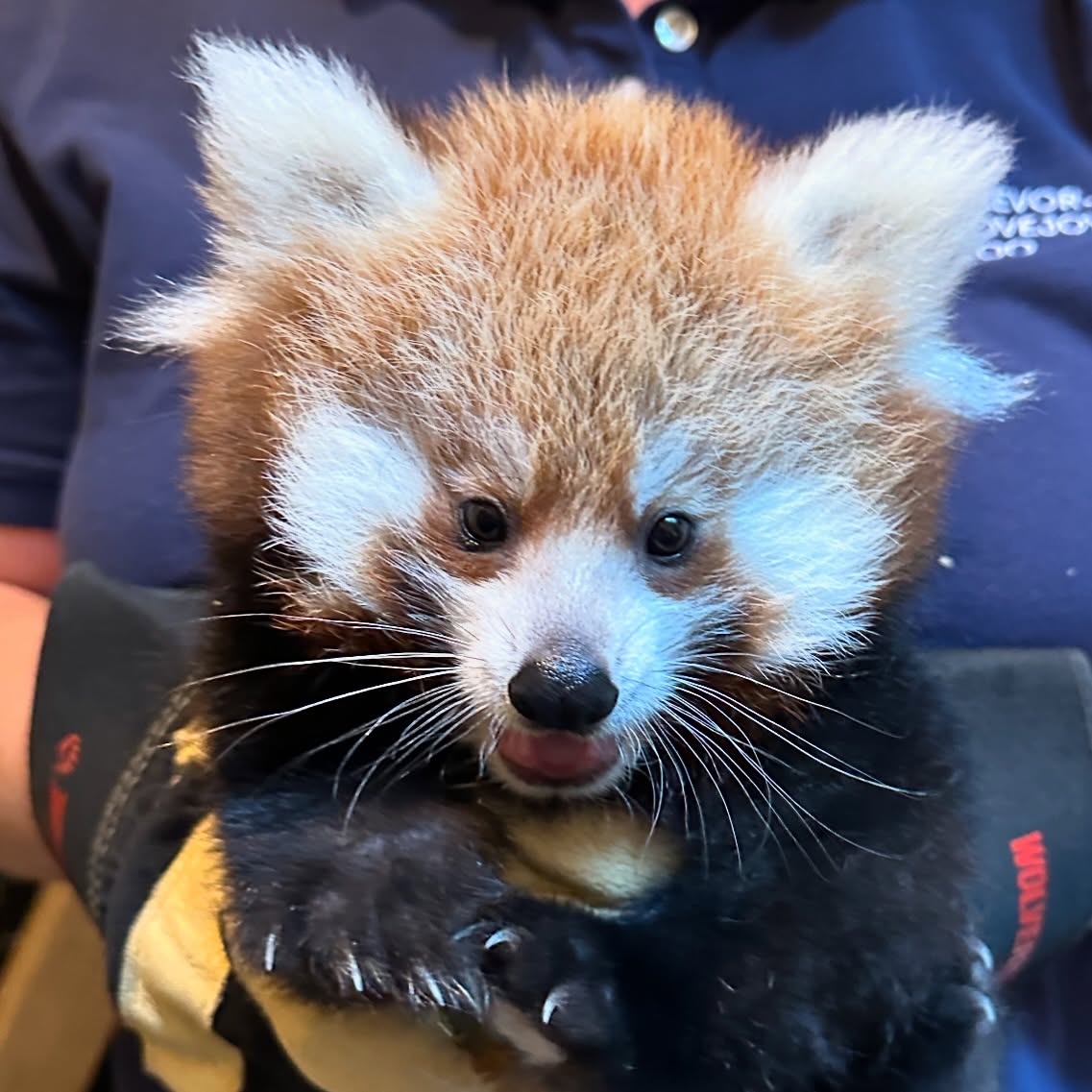
- The importance of naming the baby Red Panda and its impact on conservation efforts.
- Profiles of the naming candidates: Bobette, Ember, May, and Merida.
- Understanding Red Panda ecology and habitat.
- The role of organizations in Red Panda conservation.
- How public participation and donations support wildlife conservation initiatives.
Naming a baby Red Panda involves more than just choosing a cute moniker; it serves as a crucial tool for raising awareness about the conservation of this endangered species. The decision to allow the public to participate in naming this cub is both a fun and engaging way to foster community involvement while also supporting vital conservation efforts. Every dollar contributed serves as a vote for the chosen name, generating funding that will directly support the mission of organizations committed to saving Red Pandas.
Each name has its charm, with options ranging from Bobette to Merida. Each option tells a story and opens up discussions about the cultural and ecological significance of Red Pandas. These animals are not just adorable but also critical indicators of the health of their ecosystem. Their well-being reflects environmental shifts and biodiversity levels; therefore, the naming event does more than spotlight the cub—it shines a light on the ongoing plight of the species itself.
Bobette brings a playful air, perfect for a spirited cub. The name suggests bubbling energy, which resonates with the curious and playful nature often exhibited by these animals. This name invites thoughts about how such animals contribute to their surroundings through their activities. Playful interactions often lead to seed dispersal, which in turn affects the plant community and the habitat’s overall health.
Ember carries a more nuanced implication. It evokes thoughts of warmth and the fiery disposition of this charming creature. This name resonates with the stunning reddish-brown coloration of the Red Panda’s coat. Just as embers provide warmth and light, Red Pandas play a similar role in their natural habitats. They serve as seed dispersers, which enhances plant growth and improves overall ecosystem functioning.
May is a sweet, highly sentimental choice, evoking themes of spring and renewal. Spring represents a time of growth and fertility, tempting us to consider the challenges these little animals face. By choosing May, donors support the cyclical renewal of nature, celebrating life while acknowledging that these animals need ongoing protection from habitat destruction and climate change.
Merida stands out for its adventurous connotation, inspired by the strong, independent character from popular culture. This name represents bravery and resilience—traits that echo the challenges Red Pandas face in the wild. Conservation efforts depend on bold steps, and the spirit of adventure is vital for organizations working to protect these animals. Each name option resonates with unique characteristics that embody various aspects of the cub’s identity and the broader narrative surrounding Red Panda conservation.
To fully appreciate the importance of these choices, one must understand the natural history of the Red Panda. Native to the temperate forests of the Himalayas and southwestern China, Red Pandas primarily inhabit bamboo forests. These forests provide essential food sources and shelter, making them critical habitats. Sadly, these areas are increasingly threatened by logging, agriculture, and climate change.
Red Pandas are classified as vulnerable on the International Union for Conservation of Nature (IUCN) Red List. Their population continues to decline due to habitat loss, poaching, and illegal pet trade. Defenders of this species aim to secure their survival through various initiatives, including habitat restoration, anti-poaching efforts, and ecological education. Such efforts demand adequate funding and community support, which naming the baby Red Panda contributes to considerably.
Organizations like the Red Panda Network play a critical role in this fight. They focus on community-based conservation and engage local individuals in protecting the species. Funding generated through naming initiatives helps support educational programs that empower communities to take an active role in safeguarding their natural environment. Informing communities about the significance of biodiversity, and enabling local advocates to become stewards of their habitats, is a core tenet of successful conservation strategies.
Moreover, SAFE (Saving Animals from Extinction)—a comprehensive initiative designed for species protection—partners with accredited zoos to create holistic plans for safeguarding endangered species. As part of the SAFE Red Panda program, their efforts foster cooperative breeding, habitat preservation, and awareness campaigns, all leading to a better outcome for the species.
When individuals choose to participate in naming the baby Red Panda cub, they contribute not solely with their money but with a shared commitment to fostering a future where Red Pandas can thrive in their native landscapes. Each vote has significance; even a small donation can lead to significant impact regarding conservation initiatives.
Participation in the naming event adds a layer of significance to the experience of engaging with wildlife. Donors can witness their contributions be put to practical use, building a transparent and accountable system that reflects the urgency of the current conservation challenges. Consequently, each vote embodies not merely a preference for a name but also support for the broader mission of safeguarding Red Pandas and their environments.
The thrill of naming this baby Red Panda can elicit feelings of personal connection. It invites participants to think about the character, behaviors, and unique traits of these animals. By naming the cub, you are not just contributing to a singular animal but to the broader ecosystem that relies on Red Pandas as critical components.
Moreover, Social media campaigns surrounding the naming initiative can further spread awareness, reaching even broader audiences. When participants share their engagement, they encourage their networks to learn about the Red Panda, thereby amplifying its conservation message.
Choosing a name for the baby Red Panda cub is not simply about aesthetics; it symbolizes a communal effort toward environmental betterment. It fosters a deeper understanding of species conservation, emboldens individual engagement, and promotes the importance of coexisting with wildlife. It invites us all into a collaborative journey where each of us becomes a custodian of nature.
Beyond the voting process, discussions surrounding the chosen name can flourish into the participation of broader ecological conversations. This naming initiative serves as a launching pad for sustainable practices, encouraging community members to implement changes that positively influence biodiversity in their local environments.
Fundamentally, engagement in wildlife conservation transcends individual choices; it signals a collective effort toward preserving our planet. Commitments are often solidified through community-driven initiatives. Naming the baby Red Panda cub presents an opportunity to unite people across different backgrounds on a common cause.
Every effort counts in the mission to protect this beloved animal and their environment. By taking part in this naming initiative, you not only help christen a new life but also become an essential part of a broader conversation on the importance of wildlife conservation. Each name becomes a symbol—a rallying point for those who care about preserving the beauty of nature and its incredible inhabitants.
Voting for your favorite name—be it Bobette, Ember, May, or Merida—strengthens the ties between communities and nature while providing necessary resources for the ongoing battle against the decline of Red Pandas. The future for this captivating species relies on collaborative and thoughtful efforts. Your participation fuels that spirit of conservation, ensuring that we continue to cherish and protect the world’s remarkable biodiversity. Let your voice be heard, and make your choice today.
*****
Source Description
Our baby Red Panda cub needs a name, and you can help us pick it while helping save Red Pandas!
Pick from one of four choices and help Red Panda conservation at the same time. Go to https://www.trevorlovejoyzoo.com/products/red-panda-cub-naming to make your choice. Every $2 donation counts as 1 vote and you can be as generous as you’d like. There is no limit! All proceeds will go to help save Red Pandas, including our friends at the Red Panda Network and colleagues at SAFE Red Panda!
Will it be Bobette, Ember, May or Merida?!?!? You Decide!
LINK IN BIO
