
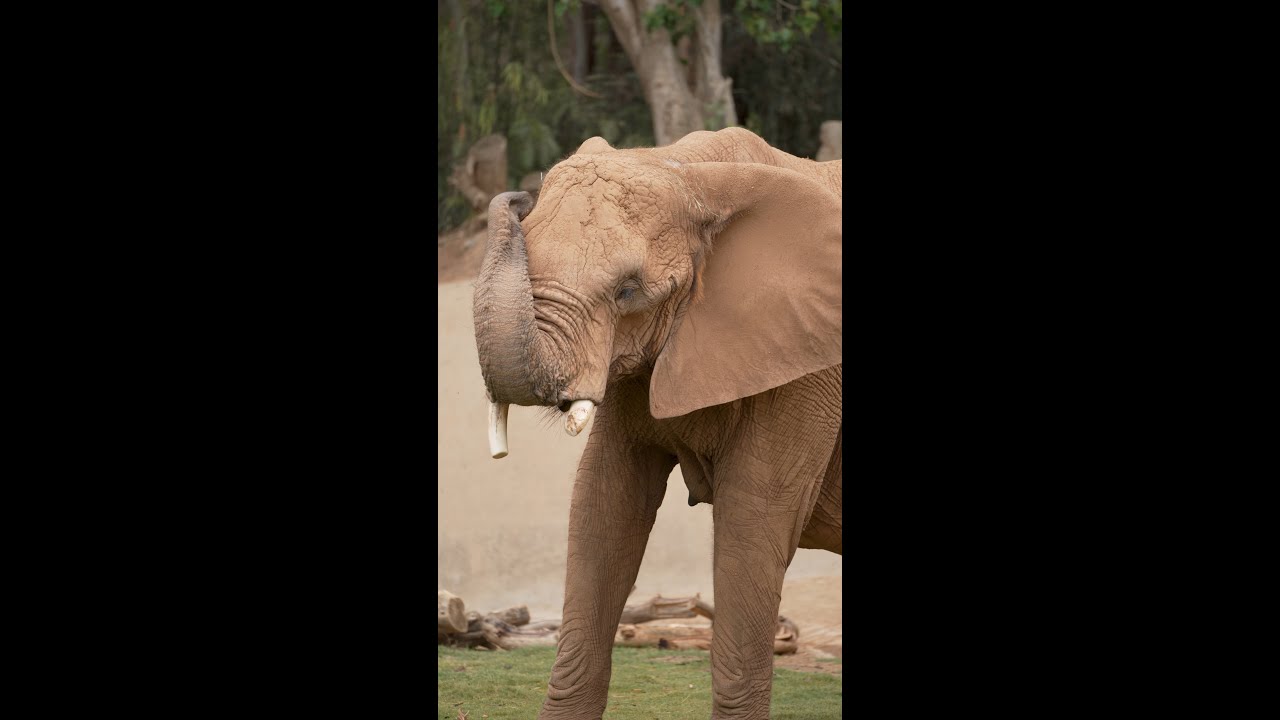
- Detailed examination of the Elephant Valley Herd and its behavioral dynamics within the herd.
- Exploration of zoological aspects, including adaptations and physical characteristics of elephants.
- Insight into zoo management practices for elephant care and habitat design.
- Discussion on wildlife conservation efforts focused on elephants and their natural environments.
- Analysis of the Elephant Valley Herd’s contribution to education and public awareness initiatives.
The Elephant Valley Herd represents a significant portion of our understanding of elephant behavior, social structures, and conservation efforts. The herd’s dynamics offer an intriguing window into the complex relationships within elephant groups. Elephants, known for their intelligence and strong social bonds, form tightly-knit matriarchal societies. The matriarch leads the herd, guiding members through migration routes and decision-making processes. Her experience helps the group adapt to environmental challenges and locate resources.
In studying the Elephant Valley Herd, researchers observe intricate patterns of communication. Elephants use vocalizations, body language, and even seismic signals to convey information. For instance, a low-frequency rumble can travel miles across the savannah, functioning as a long-distance call or warning signal. Understanding these interactions is crucial for applying conservation strategies and enhancing zoo-based education programs.
In the realm of zoology, elephants belong to the family Elephantidae, and include the African savanna, African forest, and Asian species. Each exhibits distinct characteristics and adaptations. African elephants, for instance, have larger ears that dissipate heat effectively. Their trunks, complex and dexterous, serve numerous purposes from feeding to communication. The herd’s structure ensures that younger elephants learn vital skills through observation and imitation, emphasizing the importance of social learning.
Zoo management plays a pivotal role in sustaining the well-being of the Elephant Valley Herd. Creating a habitat that mirrors their natural environment is an intricate task. Zookeepers must provide diverse terrains, water sources, and social spaces. Enrichment activities stimulate cognitive and physical abilities, preventing stress and encouraging natural behavior. Collaboration between veterinarians, nutritionists, and ethologists further supports the health of the herd. Maintaining a balanced diet, both in texture and nutrition, is essential to promoting longevity and vitality.
The conservation narrative surrounding elephants underscores the urgency of protecting these majestic creatures. Habitat destruction and poaching for ivory pose existential threats. To combat these issues, conservationists focus on habitat restoration and the enforcement of anti-poaching laws. Through captive breeding programs, the genetic diversity of elephants is preserved, creating a buffer against extinction. Public education initiatives shed light on the intricate lives of elephants, fostering empathy and commitment to conservation efforts.
Elephant Valley serves as an educational hub where zoo visitors can witness these animals in a controlled, yet seemingly natural setting. The herd’s activities provide an immersive learning experience. Through live demonstrations and interactive exhibits, guests gain insight into elephant behavior and conservation challenges. This direct exposure helps bridge the gap between science and public interest, fostering a deeper appreciation for wildlife preservation.
In summary, the Elephant Valley Herd offers valuable lessons in elephant sociology, biology, and conservation. The dynamics within the herd highlight the complexity of their social structures and communication methods. Zoo management ensures comprehensive care, mirroring the natural environment as closely as possible to promote well-being. Conservation efforts aim to mitigate the risks elephants face in the wild, emphasizing public engagement and advocacy. By understanding these various aspects, we contribute to the sustainable future of elephant populations worldwide.
*****
Source Description
Next up on The Pachy Bunch… 📺💚
🐘 Ndlula, second-in-command, keeps everyone in line with her no-nonsense approach. As a boy mom, she’s learned to be stricter and more of a rule-follower to guide her feisty sons.
🐘 Zuli, Ndlula’s youngest son, has learned well from his mother and gets along well with the younger females, especially splashing together at the watering hole.
For more herd shenanigans, check out sdzoo.com/25-EV-m
#elephantvalley #meettheherd #parttwo #sdzsafaripark
